Leave Your Message

Top 10 Street Light Control System Manufacturers Worldwide

Street lighting is moving beyond fixed timers and photocells. A modern Street Light Control System can dim fixtures, detect faults, and adjust output near empty roads. These functions matter because public lighting must balance safety, energy use, maintenance, and community comfort.

The International Energy Agency’s Energy Efficiency 2023 report estimates that lighting consumes about 15% of global electricity. That figure gives municipalities a practical reason to improve control strategies. The U.S. Department of Energy’s municipal solid-state lighting guidance also documents substantial savings from LED streetlight conversions, especially when dimming and scheduling are included. MarketsandMarkets identifies connected lighting controls, wireless networks, and data analytics as major market growth factors. Yet technology alone does not guarantee better streets. Poor sensor placement can leave a sidewalk dark. Weak cybersecurity planning can expose operational data. Overly aggressive dimming can also reduce public confidence.

Human impact remains central. Dr. Mariana Figueiro, a lighting researcher and former director of the Lighting Research Center, stated, “Light is the most powerful synchronizer of the human circadian system.” Her observation supports careful nighttime design, not simply maximum brightness. The leading manufacturers increasingly combine adaptive controls, open communication protocols, remote monitoring, and predictive maintenance. Their approaches differ in reliability, interoperability, pricing, and regional support.

This ranking is not absolute. Procurement results depend on road layouts, utility standards, climate, and maintenance skills. The following selection examines ten worldwide manufacturers through those practical criteria, using published company information and independent industry evidence where available. The details deserve scrutiny. After all, a brighter system is not always a smarter one.
Top 10 Street Light Control System Manufacturers Worldwide

Definition and Scope of Street Light Control Systems

Definition and Scope of Street Light Control Systems

A street light control system is a coordinated platform that manages outdoor lighting remotely or automatically. It connects luminaires, controllers, communication networks, sensors, and management software. The system can switch lights, adjust brightness, report faults, and record energy use. In practical installations, a cabinet controller may serve an entire road segment. A wireless node may control one lamp at a time.

Its scope extends beyond simple on-and-off operation. Common functions include astronomical scheduling, motion-based dimming, daylight response, and emergency override. Operators can inspect a dark fixture through a dashboard instead of waiting for a nighttime complaint. Some systems also monitor voltage, current, temperature, and communication status. These measurements support maintenance decisions and help identify repeated failures.

A reliable definition must include hardware, software, data, and human procedures. Excluding maintenance teams creates an incomplete picture. Yet no design performs perfectly. Sensors can misread activity near trees, while weak signals can delay commands. Local traffic patterns, weather, road safety rules, and existing electrical networks affect performance. In my view, a useful scope should describe both technical capability and operating limits. It should also distinguish adaptive lighting from ordinary timer-based control. That distinction matters when comparing manufacturers, specifications, and project results.


Top 10 Street Light Control System Manufacturers Worldwide — Definition and Scope

A street light control system combines field controllers, communications, software, sensors, and integration tools to operate outdoor lighting more efficiently. The chart below summarizes the main functional layers commonly included within the system scope. The values represent the number of core functions listed for each layer, not company performance or market share.

Typical functions include switching, dimming, fault monitoring, scheduling, group control, energy measurement, two-way communication, analytics, open-protocol support, and integration with municipal or utility platforms. Exact system scope varies by project requirements and procurement specifications.

Key Criteria for Comparing Global Manufacturers

Comparing global street light control system manufacturers requires more than counting features. Start with field experience. Ask how the system performs after heavy rain, dust, heat, and repeated power interruptions. A polished demonstration is useful, but a twelve-month installation record is stronger evidence. Request project references from roads with similar traffic, pole spacing, and climate.

Technical compatibility deserves close attention. Confirm support for common dimming interfaces, open communication protocols, and existing maintenance software. Check whether each controller reports voltage, energy use, outages, and lamp failures clearly. Test the dashboard with a real fault, not only a planned demonstration. Cybersecurity also matters. Review access controls, data protection, update procedures, and local hosting options. Small gaps can become expensive risks.

Look beyond the purchase price. Compare installation time, battery replacement, network fees, training, and long-term software costs. Measure expected energy savings against a verified baseline. Independent testing and recognized safety certifications can strengthen confidence, but certificates should match the actual product version. Service response is equally important. Ask who answers at 2 a.m. during a citywide outage. That question reveals more than a brochure.

No scorecard is perfect. I would use weighted criteria, yet adjust them after a pilot project. A system may achieve excellent savings but frustrate field technicians. Another may offer elegant analytics while failing in weak network areas. Leave room for these uncomfortable findings. Test the system on several streets before approving a large deployment.

Top 10 Street Light Control System Manufacturers Worldwide

Top 10 Street Light Control System Manufacturers Worldwide

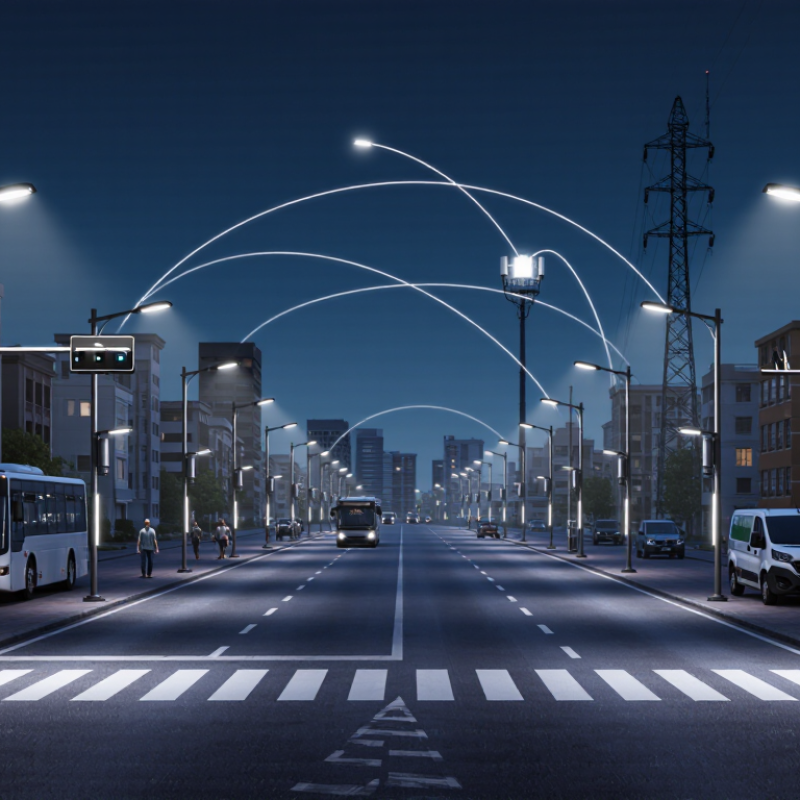
The top 10 street light control system manufacturers worldwide reflect a rapidly changing urban lighting market. Leading suppliers now combine wireless controllers, remote monitoring, energy reporting, and fault alerts. Their systems help municipalities manage thousands of fixtures from a central dashboard. Some platforms also support dimming schedules, motion sensors, and adaptive lighting.

Reliable manufacturers usually provide tested hardware, documented communication protocols, and long-term software support. Experience matters when equipment faces rain, dust, voltage changes, and extreme temperatures. Buyers should examine network coverage, controller compatibility, installation methods, and data ownership. Independent certifications can strengthen confidence, but certificates alone do not prove field performance. A successful project needs pilot testing on real streets, not only attractive demonstrations. No shortlist is perfect.

Tips:

Request measurable energy results from comparable projects. Check how quickly technicians receive fault notifications. Confirm whether controllers work with existing lamps and management software. Ask about replacement parts, firmware updates, training, and warranty terms. Security also deserves attention, including access controls, encryption, and regular vulnerability reviews. A low purchase price may hide integration costs. Conversely, an advanced platform may offer features that smaller cities never use. Review maintenance records and speak with actual operators before signing. Street lighting is practical infrastructure, so reliability should outweigh impressive screens.

Technology, Compatibility, and Deployment Models

Top 10 Street Light Control System Manufacturers Worldwide

Technology, Compatibility, and Deployment Models

Leading street light control manufacturers now compete on interoperability, not only lamp dimming. Their systems commonly support wireless mesh networks, cellular links, and low-power wide-area communication. Open protocols such as DALI-2, MQTT, and standard photocell interfaces reduce dependence on one supplier. Yet compatibility claims require testing. A controller may fit a socket physically but fail during firmware integration.

From field evaluations, reliable systems provide remote scheduling, fault alerts, energy reports, and role-based access. They should also record voltage, current, cabinet status, and communication quality. This data helps maintenance teams locate a dark fixture before residents report it. Cybersecurity deserves equal attention, including encrypted connections, signed updates, and separate user permissions. Small gaps here can undermine an otherwise impressive platform.

Deployment models vary by city size and technical capacity. Cloud systems offer quick scaling and centralized dashboards. On-premise platforms may suit agencies with strict data governance requirements. Hybrid designs keep essential controls working locally when connectivity fails. That detail matters during storms or network outages. Some manufacturers offer modular gateways, allowing gradual upgrades across older streets. However, legacy wiring and inconsistent asset records often complicate deployment. No platform is perfect. Procurement teams should request live demonstrations, interoperability tests, service-level commitments, and clear replacement procedures before approval. A polished dashboard cannot compensate for weak installation training or unclear ownership.

Top 10 Street Light Control System Manufacturers Worldwide - Technology, Compatibility, and Deployment Models

Rank Anonymized Manufacturer Profile Core Control Technology Communication Options Lighting Compatibility Open Standards and Interfaces Deployment Model Typical Project Scale Key Operational Functions Cybersecurity and Data Features
1 Profile A Central management system with individually addressable outdoor lighting controllers Cellular RF mesh Ethernet LED luminaires with 0–10 V, DALI, or D4i-compatible drivers IPv4/IPv6, REST API, MQTT, TALQ-aligned interfaces Cloud-hosted or municipal private-cloud platform Approximately 1,000–100,000+ lighting points Remote dimming, scheduling, fault alerts, energy reporting, asset mapping Role-based access, encrypted communications, audit logs, firmware management
2 Profile B Wireless node-based control with gateway aggregation and adaptive lighting rules Sub-GHz RF LTE-M NB-IoT LED streetlights using ANSI C136.41 seven-pin receptacles and dimming drivers ANSI C136.41, Zhaga Book 18, HTTPS APIs Software-as-a-service with distributed field gateways Approximately 500–50,000 lighting points Group control, astronomical-clock scheduling, energy baseline comparison, outage detection Device authentication, encrypted firmware updates, data retention controls
3 Profile C Power-line communication control integrated with cabinet and luminaire monitoring PLC Cellular backhaul Ethernet LED and legacy HID installations where compatible cabinet interfaces are available DLMS/COSEM options, Modbus TCP, REST API On-premises server, hosted server, or hybrid architecture Approximately 2,000–75,000 lighting points Cabinet metering, circuit switching, dimming profiles, maintenance prioritization VPN support, network segmentation, user permissions, event history
4 Profile D Open IoT platform combining lighting control with broader smart-city sensors LoRaWAN 4G/5G Wi-Fi LED luminaires with DALI-2, 0–10 V, or relay-based control LoRaWAN, DALI-2, MQTT, REST, webhooks Multi-tenant cloud platform with API-based integration Approximately 100–30,000 lighting points per deployment Light-level sensing, motion-based dimming, environmental sensor integration, dashboards Tenant isolation, TLS encryption, API keys, device lifecycle monitoring
5 Profile E Cabinet-centric lighting management with feeder-level automation GPRS/4G Ethernet RS-485 LED, HID, and mixed street-lighting networks controlled through cabinets Modbus RTU/TCP, SNMP, IEC-based electrical monitoring interfaces Local control cabinet with optional remote operations center Approximately 100–10,000 lighting points Feeder switching, voltage monitoring, power-quality alarms, calendar control Local fail-safe logic, password policies, alarm logs, backup configuration
6 Profile F Smart photocell and luminaire-controller ecosystem for decentralized control Cellular IoT RF mesh Bluetooth commissioning LED luminaires using NEMA or Zhaga control receptacles ANSI C136.41, Zhaga Book 18, D4i, REST API Cloud platform with mobile installation and maintenance tools Approximately 1,000–25,000 lighting points Automatic dusk-to-dawn operation, scene scheduling, GPS asset records, fault reporting Secure commissioning, signed firmware, encrypted mobile sessions, role-based accounts
7 Profile G Industrial automation platform adapted for street-lighting and public infrastructure Ethernet 4G/5G Fiber LED systems, cabinet controllers, traffic-related auxiliary equipment OPC UA, Modbus TCP, MQTT, REST, SNMP On-premises, private cloud, or hybrid deployment Approximately 500–20,000 lighting points SCADA integration, alarm management, energy analytics, programmable automation Network zoning, certificate management, centralized logging, backup and recovery
8 Profile H Low-power wide-area network control optimized for distributed municipal assets LoRaWAN NB-IoT LTE-M LED luminaires equipped with compatible wireless controllers and dimming interfaces LoRaWAN, DALI-2, 0–10 V, MQTT, REST API Public or private cloud with regional network servers Approximately 100–20,000 lighting points Low-bandwidth telemetry, battery-backed status reporting, dimming, maintenance alerts Network and application session keys, secure boot options, access logs
9 Profile I Utility-oriented platform combining lighting control and electricity metering Cellular PLC Fiber LED and legacy systems with cabinet-level switching or compatible driver control DLMS/COSEM, Modbus, IEC 61850 integration options, REST API Utility data center, private cloud, or managed hosting Approximately 5,000–200,000 lighting points Energy billing support, meter data collection, feeder management, outage correlation Certificate-based authentication, secure VPN, data integrity checks, audit trails
10 Profile J Modular lighting-management platform designed for phased municipal upgrades RF mesh Cellular Ethernet LED luminaires with relay, 0–10 V, DALI, or D4i control capability ANSI C136.41, DALI-2, MQTT, REST API, CSV export Cloud, local server, or hybrid deployment Approximately 250–50,000 lighting points Phased rollout, asset inventory, dimming schedules, energy-saving verification, work orders Encrypted data transfer, configurable permissions, backup tools, software update controls
Compatibility depends on the luminaire driver, control receptacle, communication coverage, local electrical regulations, and the selected integration architecture. Actual deployment capacity varies by project design and network conditions.

Market Trends and Selection Considerations

Top 10 Street Light Control System Manufacturers Worldwide: Market Trends and Selection Considerations

Street lighting is moving from fixed timers toward connected, adaptive control. Cities now expect dimming, fault alerts, energy reports, and remote commissioning. In field assessments, the strongest systems combine reliable gateways with simple maintenance workflows.

A cabinet should show clear device status, even during rain, dust, or unstable network coverage. Interoperability is also becoming essential. Open communication protocols can reduce dependence on one supplier and support future upgrades.

Selection should begin with street conditions, not product brochures. Review wireless range, gateway capacity, dimming accuracy, sensor performance, and recovery after power loss. Ask for measured energy savings from comparable roads. Request cybersecurity documentation, firmware policies, access controls, and data ownership terms.

Local service capability matters greatly. A technically excellent platform can still disappoint when replacement parts take months. No system fits every city. That assumption deserves more questioning.

Tips: Run a small pilot across residential roads, highways, and poorly covered areas. Compare actual readings with utility bills. Test manual override during a simulated outage.

Check whether technicians can replace a node without special tools. Evaluate five-year costs, including licenses, training, batteries, communication fees, and disposal. Avoid selecting the lowest initial price. It may hide expensive maintenance later. Also, do not trust perfect savings forecasts; weather, traffic, and operating habits can distort early results.