Smart Led Strip and Smart Street Light Controller Tips for Effortless Lighting Solutions?
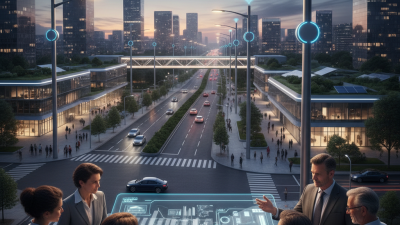
In the modern landscape of urban illumination, Smart Led Strip and Smart Street Light Controller technologies are transforming our lighting solutions. Renowned expert Dr. Jane Thompson, a leading voice in energy-efficient lighting design, noted, "Smart lighting not only enhances security but also contributes to energy savings." This statement highlights the dual benefits these technologies offer.
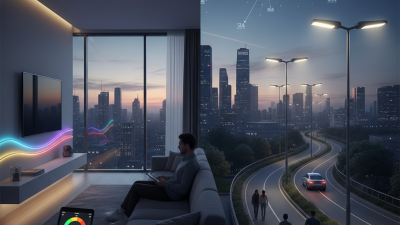
Smart Led Strips can create vibrant scenes in homes or businesses, adaptable to mood and tasks. Meanwhile, Smart Street Light Controllers automate public lighting, responding to traffic and weather conditions. This creates a safer, more efficient environment. However, the integration of these systems raises questions about affordability and user-friendliness. Many may wonder if the initial investment is justified.
Yet, as cities adopt these smart solutions, the long-term returns become evident. User feedback highlights the need for intuitive interfaces and better community education. Striking a balance between innovative technology and practical usability remains essential. Embracing Smart Led Strip and Smart Street Light Controller systems can lead to remarkable outcomes, but the journey towards seamless integration requires thoughtful consideration.
Overview of Smart LED Strips and Their Benefits
Smart LED strips are revolutionizing the way we think about lighting. These flexible, energy-efficient solutions boast customizable colors and brightness. According to a report by the U.S. Department of Energy, LED lighting can reduce energy consumption by up to 75%. This substantial reduction not only lowers electricity bills but also decreases carbon footprints.
The benefits extend beyond efficiency. Smart LED strips can be controlled remotely, allowing users to adjust lighting based on their needs. This adds convenience to daily life. In fact, a survey by Statista indicated that 45% of homeowners are interested in smart home technologies due to their potential for energy savings. However, usability can vary. Some users find app interfaces complicated, which diminishes the intended ease of use.
Light quality is another aspect worth considering. While LEDs can produce vibrant colors, some may find the harshness of certain white tones unappealing. Variability in light quality can lead to different experiences for users. Furthermore, not all smart strips are compatible with existing smart home systems. Miscommunication between devices can lead to frustration and impact overall satisfaction with the technology.
Key Features of Smart Street Light Controllers
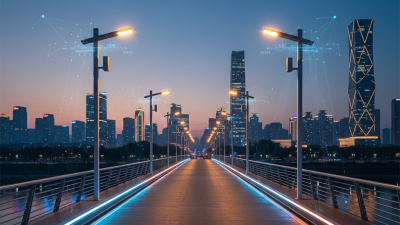
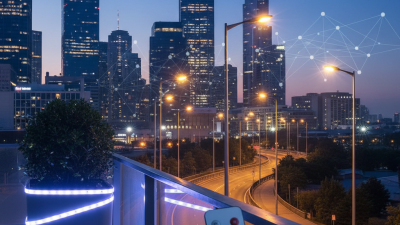
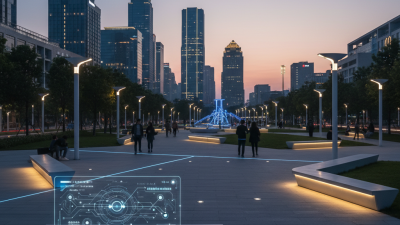
Smart street light controllers are transforming urban environments. They integrate advanced features that enhance efficiency and sustainability. One significant aspect is their ability to adjust brightness based on real-time conditions. This means lights can dim during low traffic times. Such a feature conserves energy and reduces costs.
Another key feature is remote management. This allows city planners to control lighting systems from anywhere. They can monitor performance, troubleshoot issues, and even schedule maintenance. However, not all systems are user-friendly. Some interfaces can be confusing, requiring better design.
Data analytics is also a valuable component. Smart controllers collect data on usage patterns. This information helps optimize energy consumption. Yet, cities must be cautious about data privacy. Balancing efficiency and security remains a challenge. The technology is evolving, but there’s still room for improvement. Addressing these issues is essential for future developments.
Smart LED Strip and Smart Street Light Controller Tips for Effortless Lighting Solutions
| Feature |
Description |
Benefits |
Applications |
| Dimming Control |
Allows adjustment of brightness levels |
Energy savings and ambiance customization |
Residential lighting, outdoor areas |
| Smart Scheduling |
Automates on/off times based on user settings |
Convenience and enhanced security |
Street lighting, public spaces |
| Remote Control |
Control lighting systems via a smartphone app |
Ease of access from anywhere |
Commercial buildings, homes |
| Energy Monitoring |
Tracks energy consumption and efficiency |
Cost savings and environmental impact |
Industrial, municipal lighting |
| Motion Detection |
Lights turn on when motion is detected |
Improved safety and energy efficiency |
Security lighting, pathways |
Installation Tips for Smart LED Strips and Controllers
When installing smart LED strips, proper planning is essential. Start by measuring the space. This will help you determine the length of the strip needed. Ensure you have enough outlets nearby. Using extension cords can create safety hazards, so be mindful of cable placement.
Before applying the strips, clean the surface thoroughly. Dust can affect adhesion. If the strip does not stick well, it may fall off over time. Consider using additional adhesive solutions if needed. During installation, ensure the controller is within range of your Wi-Fi network. Weak signals can disrupt the functionality of smart features.
Testing the setup after installation is crucial. Switch on the lights to check the color and brightness. Some users find inconsistencies in performance. If you notice flickering or dimness, this may signal a problem. Review the connections and settings. These small details can either enhance or ruin your experience. Adjustments may be necessary for optimal results.
Managing and Customizing Lighting with Smart Technology
Smart technology is reshaping how we manage and customize lighting in our spaces. The integration of smart LED strips and street light controllers allows for dynamic lighting solutions that enhance both ambiance and security. According to a recent industry report, the global smart lighting market is expected to reach $76 billion by 2026. This rapid growth signifies the rising demand for energy-efficient solutions and user-friendly controls.
Customizing lighting can be simple and efficient. Start by assessing the areas where you need light the most. Use smart LED strips in creative ways, such as under cabinets or along walkways. This enhances both aesthetics and safety. Adjust brightness and color temperature based on the time of day. For instance, cooler colors can boost productivity during work hours, while warmer tones create a cozy atmosphere in the evening.
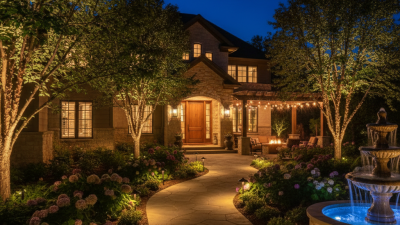
Always keep in mind the importance of user experience. Some users report technical issues with connectivity and control. It's necessary to ensure your devices are compatible and updated regularly. Regular monitoring can improve reliability. Additionally, setting schedules for your smart lights can enhance convenience. For instance, program your outdoor lights to turn on at dusk. This simple step can significantly improve security and safety without requiring constant manual adjustments.
Future Trends in Smart Lighting Solutions
The landscape of smart lighting solutions is evolving rapidly. By 2025, the smart lighting market is expected to exceed $20 billion, according to industry reports. This surge indicates a growing reliance on energy-efficient technologies that enhance urban living. As cities adapt to these trends, the integration of smart LED strips and streetlight controllers becomes vital.
Smart lighting solutions offer flexibility and efficiency. They can be easily controlled via smart devices, allowing users to adjust brightness and color. However, implementation can be challenging. Many municipalities face obstacles in updating outdated infrastructure. The integration of advanced sensors is also essential for maximizing efficiency, yet it requires precise planning and investment.
**Tips**: Start small with pilot projects to gauge effectiveness. Testing smart LED strips in selected areas can provide valuable insights. Collaborate with technology experts to ensure seamless integration of lighting systems. Engage with local communities for feedback during trials. Addressing concerns early on can lead to better outcomes and user satisfaction.