What is Smart Led Strip and Smart Street Light Controller?
In the evolving world of smart technology, Smart Led Strip and Smart Street Light Controller are gaining attention. Experts like Dr. Emily Wang, a leader in smart lighting solutions, emphasize the potential of these innovations. She states, "Smart lighting will transform urban landscapes and enhance energy efficiency significantly."
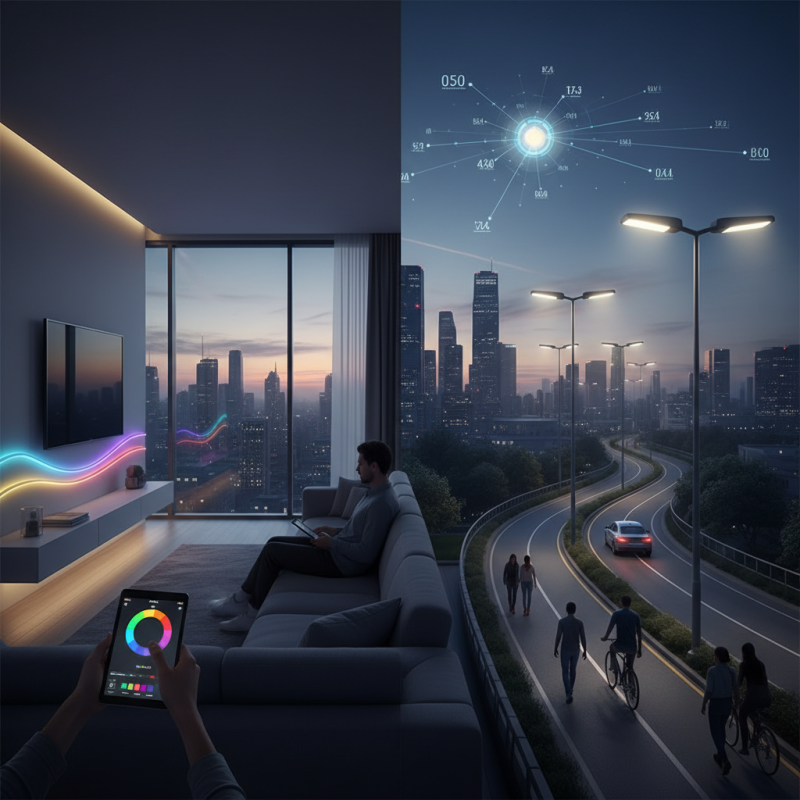
The Smart Led Strip offers flexible lighting designs for homes and businesses. It utilizes customizable colors and brightness settings, creating dynamic atmospheres. Meanwhile, the Smart Street Light Controller optimizes public lighting, adjusting to real-time conditions and improving safety. These technologies represent a shift in how we interact with light.
Despite the innovations, challenges remain. Integration with existing systems can be complex. Also, the importance of user education cannot be overstated. As we advance in smart solutions, it's crucial to reflect on these hurdles. Investing in Smart Led Strip and Smart Street Light Controller technologies promises great rewards, but we must navigate the difficulties together.
Definition and Functionality of Smart LED Strips
Smart LED strips are revolutionizing both residential and commercial lighting. These flexible light sources can emit various colors and intensities. They often come with programmable features, allowing users to set the mood or enhance architectural elements. A report from Grand View Research indicates that the global smart lighting market is expected to reach $39.57 billion by 2025. This reflects growing consumer interest in energy-efficient solutions.
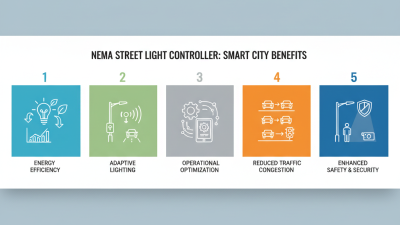
Smart street light controllers manage public lighting with precision. They adjust brightness based on real-time data, like pedestrian activity and time of day. Studies show that smart street lights can reduce energy consumption by up to 60%. Efficiency isn’t just about savings—it also improves safety. Well-lit streets deter crime, creating a sense of security in urban areas.
Tip: When installing smart LED strips, consider your color preferences. Warm whites are cozy. Cool whites enhance focus. Additionally, integrating smart controllers into street lighting allows municipalities to proactively manage energy. It's a win-win for sustainability and urban design. Remember, not all systems are user-friendly; some may require technical expertise for optimal setup.
Key Features and Benefits of Smart Street Light Controllers
Smart street light controllers are transforming urban landscapes. These devices offer numerous benefits, enhancing city management and energy efficiency. They enable remote monitoring and control of street lighting systems. This capability allows cities to adjust lighting based on traffic flow and time of day.
Energy savings are a key feature. Smart controllers can reduce electricity costs by dimming lights during off-peak hours. Additionally, they can detect outages and report them instantly. This feature minimizes response times for repairs. However, integrating technology can pose challenges. Cities may face issues with connectivity and data security.
Another interesting aspect is environmental impact. Smart light controllers help reduce light pollution. By customizing street lighting, cities can minimize brightness in residential areas while ensuring safety. Yet, proper implementation requires careful planning and consideration of local needs. Balancing technology with community input is essential for success.
What is Smart Led Strip and Smart Street Light Controller? - Key Features and Benefits of Smart Street Light Controllers
| Feature |
Description |
Benefits |
| Remote Monitoring |
Allows users to monitor street light conditions and energy consumption remotely. |
Enables efficient management and reduces operational costs. |
| Adaptive Brightness |
Adjusts the light intensity automatically based on surrounding light levels. |
Enhances safety and reduces energy waste. |
| Integration with IoT |
Connects with other IoT devices for smart city applications. |
Facilitates data collection and more comprehensive urban management. |
| Fault Detection |
Automatically detects failures in lighting fixtures. |
Reduces maintenance costs and improves response time for repairs. |
| Energy Efficiency |
Utilizes LEDs and energy-saving technology. |
Drastically lowers electricity bills for municipalities. |
| Environmentally Friendly |
Reduces carbon footprint with sustainable lighting solutions. |
Supports green initiatives and compliance with regulations. |
Technology and Connectivity in Smart Lighting Systems
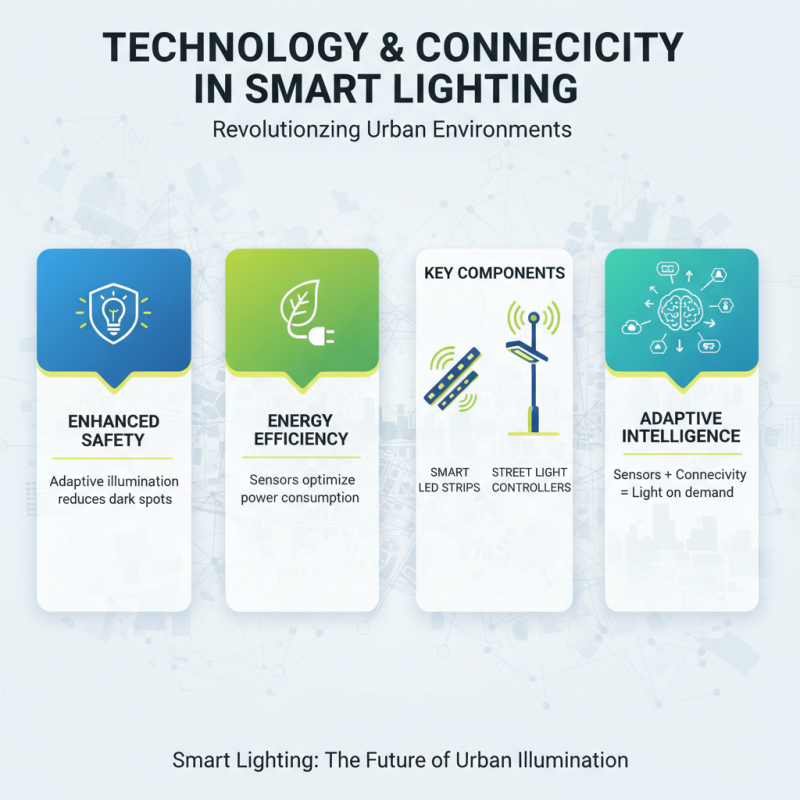
Smart lighting systems are revolutionizing urban environments. With the integration of advanced technology, these systems enhance safety and energy efficiency. Smart LED strips and street light controllers are two key components. They utilize sensors and connectivity to adapt to changing conditions. This enables better illumination where it is needed most.
These smart systems often rely on IoT technology. This connectivity allows for real-time data analysis, optimizing energy usage. Municipalities can program lights to brighten in response to movement or dim during off-peak hours. Such responsiveness leads to significant cost savings. Although the technology is promising, it requires careful implementation and maintenance.
**Tip:** Regularly evaluate your smart lighting setup. Check for software updates to keep the system running smoothly. Effective maintenance ensures longevity and reliability.
When considering smart lighting, balance is crucial. While technology enhances functionality, user privacy should not be overlooked. Transparency in data collection is vital for trust-building. Smart lighting should serve community needs without compromising personal security.
**Tip:** Engage with the community before implementing changes. Feedback can lead to better-informed decisions. A well-integrated system shines a light on both efficiency and community trust.
Applications and Use Cases of Smart LED Strips and Street Lights
Smart LED strips and smart street light controllers are transforming urban landscapes and enhancing residential spaces. These technologies play crucial roles in energy efficiency and aesthetic appeal. Smart LED strips are flexible lighting solutions. They can adjust brightness and color based on user preferences. Common applications include home décor, accent lighting, and even advertising.
Street lights equipped with smart controllers are revolutionizing public safety and energy use. They respond to environmental changes such as daylight, reducing energy consumption significantly. Applications include city streets, parks, and parking lots, where safety is critical. Smart street lights can also communicate with traffic systems. This integration improves traffic flow and reduces congestion.
Tip: Consider using smart LED strips in unexpected areas, like under furniture or along pathways. They can enhance the ambiance and functionality of your space. Also, evaluate the placement of smart street lights to ensure maximum coverage. Think about how light affects behavior and perception in public areas.
Applications of Smart LED Strips and Smart Street Lights
The above chart depicts the applications of Smart LED Strips and Smart Street Lights, showing their usage percentages in various scenarios. Smart LED Strips find extensive applications in residential and commercial lighting, while Smart Street Lights are primarily used for urban street illumination and smart city projects.
Future Trends in Smart Lighting Technology and Innovation
Smart lighting technology is evolving rapidly. According to a recent report by Grand View Research, the global smart lighting market is expected to reach $40 billion by 2026, growing at over 20% annual rate. This growth demonstrates the increasing demand for energy-efficient and flexible lighting solutions in urban areas. Cities are adopting smart street lights integrated with sensors and connectivity features, which optimize energy consumption and enhance public safety.
Future trends indicate a significant shift towards IoT-enabled smart lighting systems. These systems allow for real-time data collection and analysis, enabling cities to adjust lighting based on traffic patterns or weather conditions. For instance, a study from McKinsey highlights that cities leveraging such technologies can reduce energy costs by up to 30%. However, there are challenges in implementation. Data privacy and the digital divide remain pressing concerns that need careful consideration.
Tips: When implementing smart lighting, consider local infrastructure. Evaluate existing systems and identify integration challenges. Don’t overlook community input. Engaging residents can improve acceptance and effectiveness of new technologies. As innovation continues, the smart lighting landscape will demand adaptability and thoughtful design.