Best Automatic Street Light Controller for Smart Cities?
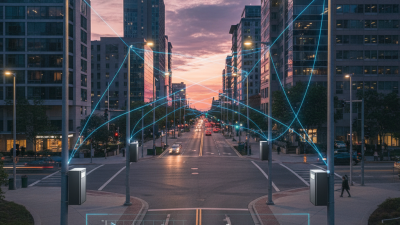
In the age of smart cities, the demand for efficient and sustainable urban infrastructure is growing. At the heart of this shift is the Automatic Street Light Controller (ASLC). This technology not only enhances energy conservation but also improves safety and reliability for citizens. Cities can adapt to changing conditions with these controllers, adjusting streetlights based on real-time data.
However, while the promise of ASLCs is clear, there are challenges. Implementation often requires substantial investment and robust infrastructure. Many cities struggle with outdated systems that hinder the full potential of automatic controllers. The complexity of integrating new technology with existing infrastructure cannot be overlooked. It begs the question: Are we ready to fully embrace this innovation? Innovative solutions and best practices are crucial for overcoming these hurdles.
The selection of the best Automatic Street Light Controller necessitates careful consideration. Factors like cost, compatibility, and user experience play vital roles. Cities must evaluate their unique needs thoughtfully. The journey toward smarter lighting systems may not be perfect, but it is essential for building sustainable urban environments. The future of urban lighting depends on embracing these technological advancements wisely.
Best Automatic Street Light Controller for Smart Cities: An Overview
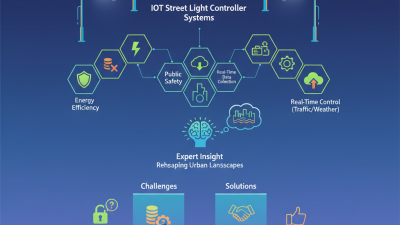
The integration of automatic street light controllers in smart cities is transforming urban infrastructure. A recent report from the International Energy Agency highlighted that smart lighting can reduce energy consumption by up to 50%. This significant reduction reflects a growing trend toward sustainable urban development. The technology allows for real-time monitoring and control, adapting to traffic and weather conditions.
In addition to energy savings, these controllers enhance public safety. A study by the U.S. Department of Energy found that improved street lighting can reduce crime rates by up to 30%. However, challenges remain. Many cities still face budget constraints that hinder the implementation of such systems. Proper installation and maintenance are also crucial, as faulty sensors can lead to inadequate lighting and energy waste.
Emerging technologies like Internet of Things (IoT) and artificial intelligence (AI) are essential for optimizing street lighting. Experts noted that these systems can be programmed to adjust brightness based on pedestrian activity. However, with rapid advancements, keeping up with technology can be daunting for city planners. There is a constant need for training and resources to ensure effective deployment and management.
Key Features of Automatic Street Light Controllers in Urban Environments
Automatic street light controllers are becoming essential in smart cities. These systems utilize sensors and algorithms to adjust lighting based on environmental conditions. They enhance urban safety while reducing energy consumption. With the ability to dim or brighten lights depending on nearby activity, these controllers align city operations with sustainability goals.
Key features include adaptability, reliability, and integration with smart city infrastructure. The best controllers can respond to changing weather conditions. For example, they adjust in heavy rain or fog to ensure visibility for pedestrians and drivers. Moreover, they often include remote monitoring capabilities, allowing city officials to manage operations efficiently.
There can be challenges in implementation. Some systems may face connectivity issues in urban canyons. Additionally, initial costs can deter cities from adopting these technologies widely. Proper planning and assessment are crucial to mitigate these barriers. Balancing cost with long-term benefits remains an ongoing discussion in urban planning circles.
Best Automatic Street Light Controller for Smart Cities
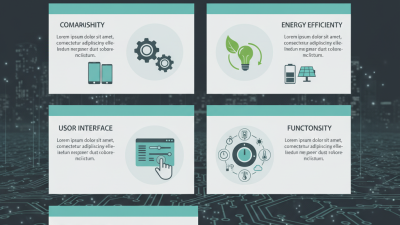
This bar chart illustrates the importance of different key features for automatic street light controllers in urban environments, crucial for the development of smart cities.
Impact of Smart Street Lighting on Energy Consumption and Sustainability
Smart street lighting has a significant impact on energy consumption and sustainability. By using motion sensors and automated systems, cities can reduce energy waste. When lights are dimmed or turned off during low-traffic hours, less electricity is consumed. This results in lower energy bills and a reduced carbon footprint. In turn, cities create a healthier environment for residents.
Tips: Consider the layout of your city. Assess traffic patterns to optimize lighting schedules effectively. Areas with less foot traffic can benefit from dimming or turning off streetlights during certain hours. Regular maintenance also ensures that systems operate efficiently, avoiding unnecessary energy usage.
Moreover, smart street lighting can harness renewable energy. Solar-powered street lamps can be integrated into urban infrastructures. They draw energy from the sun during the day, providing illuminating power at night and further decreasing reliance on fossil fuels. However, cities must carefully evaluate the initial costs versus long-term savings. Each installation should be customized to fit community needs. Balancing technology with real-world application requires ongoing reflection.
Technological Innovations Driving Automatic Street Light Controls Today
Smart cities are increasingly leveraging technological innovations to enhance urban infrastructure. Automatic street light controllers are a prime example. These systems use smart sensors and algorithms to optimize energy consumption. Reports indicate that intelligent lighting can reduce energy use by up to 30%. This not only lowers costs but also benefits the environment.
The integration of IoT technology in street lighting is transforming urban landscapes. Real-time data allows for adaptive lighting based on traffic and weather conditions. Studies show that cities implementing smart controls experience a significant reduction in light pollution and improved public safety. However, the initial setup cost can be a barrier for some municipalities.
While these advancements are promising, they require careful implementation. Lack of standardization can lead to interoperability issues among different systems. Additionally, cybersecurity vulnerabilities present another challenge. As cities adopt these technologies, they must continuously assess performance and security measures. Continuous evaluation is essential to ensure these systems are reliable and effective in meeting urban needs.
Case Studies: Successful Implementation of Smart Lighting in Major Cities
Smart lighting has transformed many cities around the world. These systems use sensors to adjust light levels based on real-time conditions. For instance, in urban areas with heavy foot traffic, lights can brighten as pedestrians approach. This not only enhances safety but also reduces energy consumption.
Several cities have showcased the benefits of smart lighting systems. One notable example involved a major metropolitan area that installed advanced sensors. Initially, users faced technical glitches, leading to inconsistent performance. However, with continuous feedback and adjustments, the city achieved improved reliability. This iterative process reinforced the importance of ongoing evaluations.
Another city's approach involved community involvement. Residents were encouraged to share their experiences. Many expressed concerns about light pollution. Consequently, city officials adjusted the system for a better balance. This case highlights that despite technology's advantages, understanding community needs is vital for successful implementation.
Best Automatic Street Light Controller for Smart Cities
| City |
Implementation Year |
Street Light Count |
Energy Savings (%) |
System Features |
| City A |
2018 |
10,000 |
40 |
Dimming, Remote Management |
| City B |
2019 |
15,000 |
35 |
Smart Sensors, Automated Alerts |
| City C |
2020 |
8,000 |
45 |
IoT Integration, Real-time Monitoring |
| City D |
2021 |
12,000 |
50 |
Adaptive Lighting, Remote Diagnostics |