Top 5 Tips for Choosing a Nema Street Light Controller?
Choosing the right Nema Street Light Controller is crucial for modern urban lighting solutions. According to a recent report by the International Lighting Technology Association, over 70% of municipalities will switch to smart lighting by 2025. This transition highlights the importance of effective controllers in energy management and performance optimization.
Expert John Smith, a leader in smart city technologies, emphasizes, "Selecting the right Nema Street Light Controller can significantly enhance city infrastructure." With various models available, decision-makers face challenges in identifying the features that matter most. Factors such as compatibility, energy efficiency, and user interface can make or break the success of a project.
Investing time in understanding these controllers can prevent costly mistakes. Cities must consider their unique requirements. Not all controllers offer the same functionality. It's important to reflect on past implementations and learn from them. Making informed choices ensures a more sustainable and efficient lighting strategy.

Understanding the Importance of Nema Street Light Controllers
Nema street light controllers play a crucial role in urban infrastructure. They manage energy efficiency and enhance public safety through effective street lighting. According to a report by the International Energy Agency, smart street lighting can lead to energy savings of up to 50%. This statistic highlights the significance of selecting the right controller for street lights.
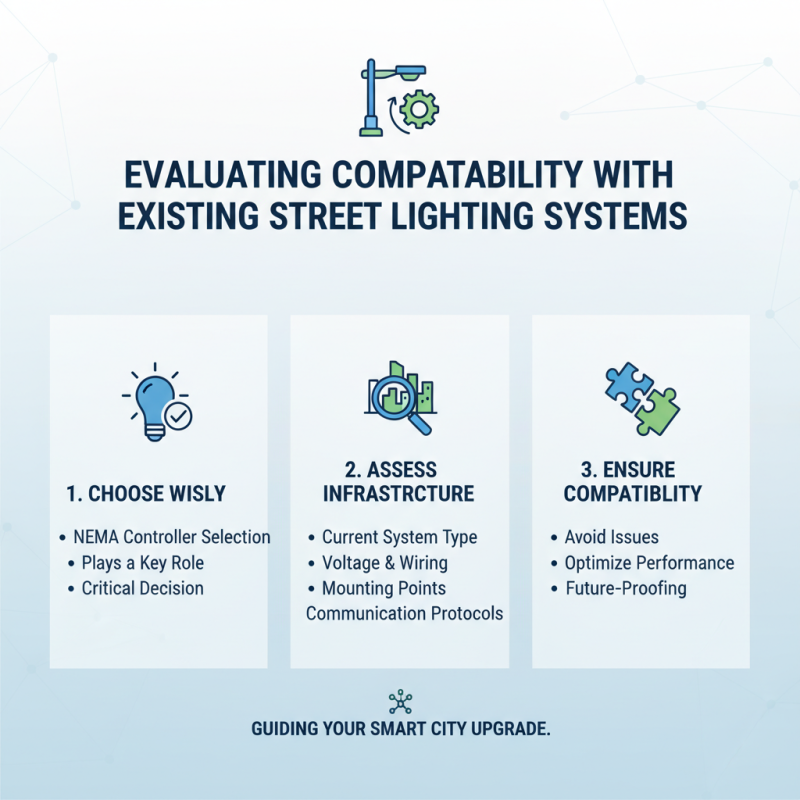
When choosing a Nema street light controller, consider the compatibility with existing systems. Many municipalities struggle with outdated technology, which can hinder optimal performance. A controller that integrates seamlessly with other smart city technologies is preferable. Pay attention to user feedback and case studies, as documented successes in similar environments can provide valuable insights.
Another factor is the adaptability of the controller. Modern controllers should support various light sources. Flexibility ensures that upgrades or changes can occur without major overhauls. Additionally, evaluate the controller's data capabilities. Access to real-time monitoring and analytics can inform maintenance schedules and operational adjustments, improving reliability and lifespan.
Top 5 Tips for Choosing a Nema Street Light Controller
| Tip |
Description |
Importance |
| 1. Consider Compatibility |
Ensure the controller is compatible with existing lighting systems. |
Compatibility prevents functionality issues and maximizes efficiency. |
| 2. Evaluate Control Features |
Check for features like dimming, timers, and remote control capabilities. |
Advanced features enhance flexibility and energy savings. |
| 3. Assess Durability |
Look for weatherproof and robust materials to withstand harsh conditions. |
Durability ensures long-term operation and reduces replacement costs. |
| 4. Review Energy Efficiency |
Select a controller that maximizes the energy savings of LED fixtures. |
Energy-efficient controllers lower utility bills and environmental impact. |
| 5. Research Manufacturer Support |
Ensure the manufacturer offers reliable support and warranty options. |
Good support reduces downtime and provides peace of mind for users. |
Key Features to Consider When Selecting a Nema Controller
When selecting a Nema street light controller, there are key features that deserve your attention. One crucial aspect is compatibility with various light fixtures. A controller must seamlessly integrate with different types of lighting systems. This ensures versatility and longevity. Look for one that supports multiple wattages. It should adapt to your specific lighting needs.
Energy efficiency is another vital feature. An ideal controller consumes minimal power while maintaining performance. Search for models with smart sensing capabilities. These can adjust lighting based on environmental conditions. This not only saves energy but also prolongs the lifespan of the fixtures.
Consider the user interface and programming flexibility. A controller should provide an intuitive experience. Complex programming may cause frustration or errors. Check if the device can store different lighting schedules. This customization can enhance the functionality. Lastly, assess the warranty and customer support. Reliable assistance can make a significant difference when issues arise. Always reflect on your choices. A hasty decision could cost you later.
Top 5 Tips for Choosing a Nema Street Light Controller
This chart highlights the importance of various key features to consider when selecting a Nema street light controller. Compatibility is rated the highest, indicating that it is the most critical feature to consider for effective operation.
Assessing Environmental and Durability Standards for Controllers
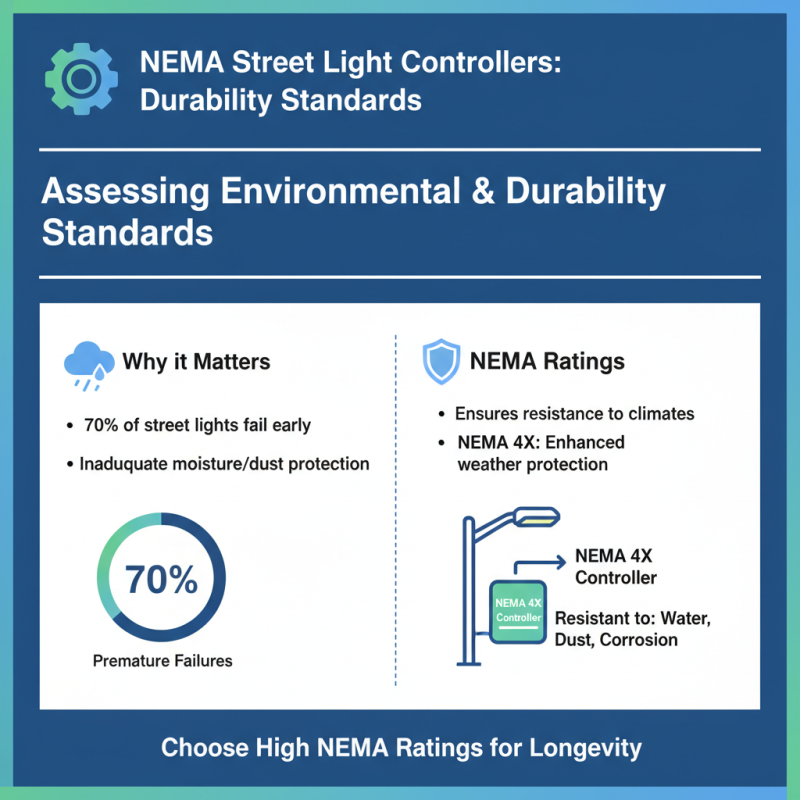
When choosing a Nema street light controller, environmental and durability standards play a crucial role. The National Electrical Manufacturers Association (NEMA) outlines specific ratings that ensure controllers can withstand various climates. Reports suggest that about 70% of street lights fail prematurely due to inadequate protection against moisture and dust. Controllers with higher NEMA ratings, such as NEMA 4X, provide enhanced resistance to weather elements.
Durability is more than just meeting standards; it's about real-world performance. Many products claim high durability but fall short in extreme conditions. A recent study found that controllers with IP66 ratings had a failure rate of only 2% over five years, while lower-rated controllers faced 15% failure. This stark difference emphasizes the need to evaluate claims critically. Look for independent testing and certifications that validate durability.
Consider the materials used in manufacturing. Corrosion-resistant materials, like stainless steel or weatherproof plastics, significantly increase lifespan. However, not all manufacturers disclose this information, leaving users to guess the quality. Gathering data from reliable sources can shed light on the long-term performance of different controllers in specific environments. Opting for well-documented testing can help in making informed decisions.
Budget Considerations and Cost-Effectiveness of Different Options
When selecting a Nema street light controller, budget considerations are key. While it’s tempting to choose the cheapest option, broader analysis is essential. Assess what features you truly need. Basic controllers might serve small areas effectively. However, investing slightly more could enhance energy efficiency and lifespan. These factors contribute significantly to overall savings.
Cost-effectiveness hinges on evaluating long-term benefits. After all, maintenance costs can add up. Controllers with advanced features may incur higher upfront costs but offer reduced energy consumption. Compare specifications and lifespan estimations. A well-informed decision now can prevent future regrets.
Reflect on your specific circumstances. Local regulations may dictate certain requirements. Ensure compliance while remaining within budget. Balancing initial investment and long-term costs can be challenging. Dive deep into available options. Your choice will impact both environmental and financial aspects for years to come.