How to Choose the Best Street Light Control Panel for Your Needs?
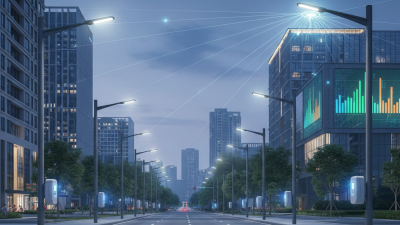
Choosing the right Street Light Control Panel is critical for urban development. Not only does it ensure safety and efficiency, but it also affects energy consumption. John Bennett, a renowned expert in smart lighting systems, states, "The right control panel can transform street lighting into a smart urban asset."
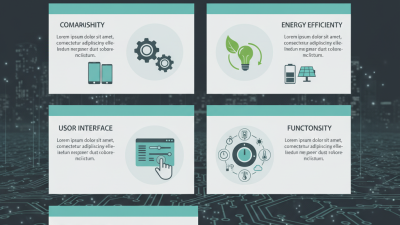
When selecting a Street Light Control Panel, various factors come into play. You must consider the panel's adaptability, user interface, and integration capabilities. Each feature plays a significant role in daily operations. For example, a user-friendly interface makes it easier for city workers to manage street lighting effectively.
The market offers many options, but not all are equal. It's essential to examine the reliability and long-term sustainability of different models. Some panels may seem appealing but lack robust support or updates. This can lead to increased maintenance costs later. A thoughtful choice today can avert bigger problems tomorrow.
Understanding the Different Types of Street Light Control Panels
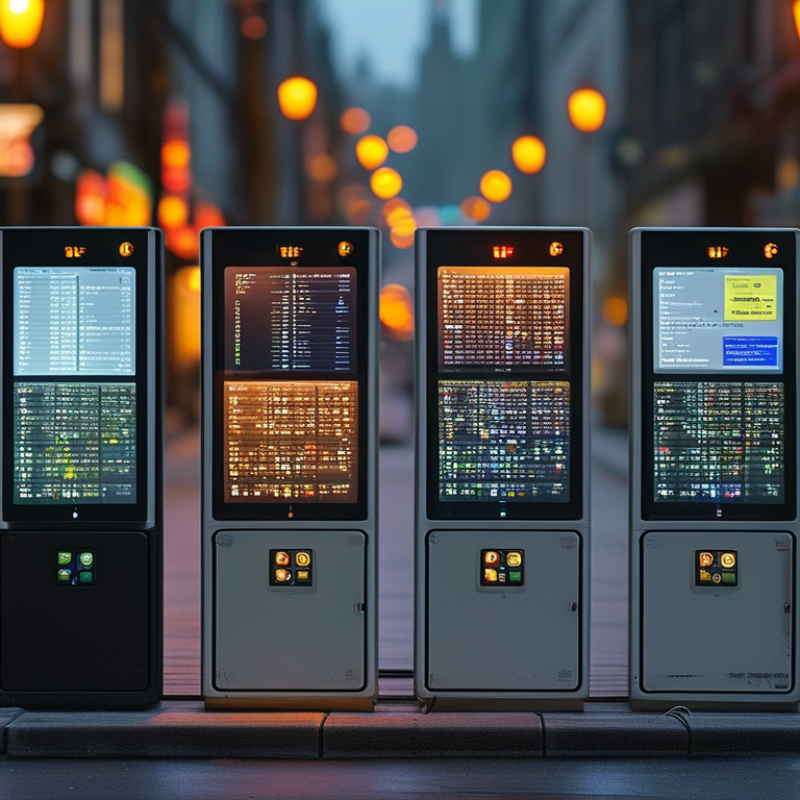
When considering street light control panels, it’s essential to understand the various types available. These panels, crucial for managing street lighting efficiently, come in several forms. One common type is the photocontrol panel, which adjusts lighting based on natural light levels. This type is great for energy savings but can be affected by street obstructions like trees.
Another type is the programmable timer panel. These allow users to set specific on and off times for lights. While effective, this method lacks adaptability to weather changes. Additionally, smart control panels are gaining popularity. These systems can be controlled remotely and offer real-time data. However, they require a reliable internet connection, which may not be available in all areas.
When choosing a panel, consider your specific needs and the environment. Each type has its advantages and drawbacks. Think about the initial costs versus potential savings. Reflect on the long-term benefits of energy efficiency. It's crucial to weigh these factors to find the best fit for your street lighting project.
Comparison of Different Types of Street Light Control Panels
Key Features to Consider When Selecting a Control Panel
When selecting a street light control panel, several key features must be prioritized. The ease of use is crucial. A user-friendly interface allows for quick adjustments and monitoring. Many control panels offer touchscreen capabilities, making navigation intuitive. Look for options that enable remote access too. This feature enhances convenience and efficiency in managing street lighting, especially for large areas.
Another essential aspect is the compatibility with various lighting systems. A versatile panel should cater to LED, HID, or solar lights. It’s a common oversight to purchase a panel based solely on brand reputation, neglecting compatibility. Additionally, assess the energy management features. Efficient panels can significantly reduce electricity costs through smart scheduling and dimming functions, contributing to sustainability.
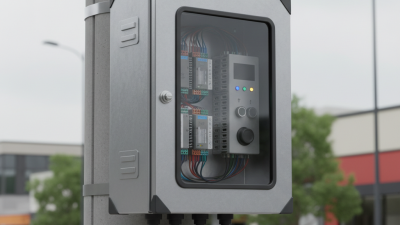
Consider weather resistance as well. A panel exposed to outdoor elements needs proper sealing and robust materials. Some panels fail due to inadequate protection against moisture and dust, leading to costly replacements. The reliability of the control panel can directly impact street safety. Investing in a high-quality control panel is essential, yet it’s vital to remain aware of the limitations and potential upgrades in technology over time. Continuous evaluation of needs may reveal new features that better suit evolving requirements.
Assessing Compatibility with Existing Street Lighting Systems
When selecting a street light control panel, assessing compatibility with existing systems is crucial. Many municipalities upgrade their lighting to improve efficiency and reduce costs. A report from the U.S. Department of Energy states that LED street lighting can save cities up to 50-70% in energy consumption. However, not all control panels will work seamlessly with older systems, limiting these savings.
Compatibility issues often arise from varying communication protocols. Many older street lights may use analog controls, while newer panels typically rely on digital technology. This mismatch can hinder system integration, leading to wasted resources and increased maintenance costs. According to a recent industry study, nearly 30% of cities report struggles with compatibility when upgrading their street lighting systems.
It’s essential to evaluate not only the technological aspects but also the logistical implications. For instance, training for maintenance personnel is often overlooked. A survey revealed that 45% of technicians feel unequipped to handle new control panels. This gap in training affects overall reliability, potentially causing delays in system updates. Taking the time to assess these factors can lead to better-informed decisions.
How to Choose the Best Street Light Control Panel for Your Needs? - Assessing Compatibility with Existing Street Lighting Systems
| Feature |
Option A |
Option B |
Option C |
| Compatibility |
Compatible with LED |
Only compatible with traditional bulbs |
Universal compatibility |
| Control Type |
Wireless Control |
Wired Control |
Hybrid Control |
| Energy Efficiency |
High efficiency - up to 90% |
Moderate efficiency - up to 75% |
Standard efficiency - 60% |
| User Interface |
Touchscreen interface |
Physical buttons |
Mobile app integration |
| Monitoring Features |
Real-time monitoring |
Basic monitoring |
Advanced analytics |
| Cost |
$500 |
$300 |
$700 |
Evaluating Energy Efficiency and Cost-Effectiveness
When selecting a street light control panel, energy efficiency and cost-effectiveness play crucial roles. Efficient panels can significantly lower energy consumption. This can lead to reduced electricity bills and lower carbon emissions. Some panels offer advanced features, such as dimming and smart controls. These features optimize energy use based on traffic and weather conditions.
Cost-effectiveness is another important aspect to evaluate. It's essential to consider the initial investment versus long-term savings. Sometimes, lower-priced options require higher maintenance costs over time. A reliable panel should also have a good lifespan. It is frustrating to spend money on replacements too often.
Assessing both energy efficiency and cost offers a clearer picture. However, it's not always straightforward. Market options are diverse and can be confusing. It's wise to seek expert advice when necessary. Understanding different technologies can help avoid pitfalls. Solutions that seem ideal may not always fit your specific requirements. Take time to reflect on your unique needs and constraints.
Exploring Advanced Functionality: Smart Controls and Automation
When selecting a street light control panel, advanced functionality plays a crucial role. Smart controls and automation enhance efficiency and operational effectiveness. According to the American Council for an Energy-Efficient Economy, smart street lighting can reduce energy consumption by up to 60%. This significant reduction also extends the lifespan of lighting fixtures, promoting sustainability.
Tips: Evaluate what features are essential for your needs. Consider dimming capabilities and scheduling options. These factors can optimize performance and reduce unnecessary energy use.
Automation simplifies management. Sensors can detect ambient light and adjust accordingly. Studies indicate that integrating IoT technology into street lighting systems leads to improved public safety and energy savings. By monitoring usage patterns, cities can make data-driven decisions and allocate resources more effectively. Reflecting on this, not every system will meet every community’s needs. Flexibility in technology options is vital for tailored solutions.
Tips: Prioritize interoperability with existing infrastructure. This can help prevent unnecessary costs and complications during installation. Always stay updated with industry advancements to make informed choices.