What to Look for in a Street Light Control Panel?
Selecting the right Street Light Control Panel is crucial for effective urban lighting management. A well-designed control panel enhances energy efficiency and operational reliability. It also plays a significant role in public safety. Understanding the critical features of these panels can lead to better choices.
Functionality is one aspect to consider. The panel should allow easy programming and monitoring. Look for options that support dimming and scheduling. These features optimize energy use and reduce costs. Durability matters too. An ideal Street Light Control Panel should withstand harsh weather conditions. Longevity ensures lower maintenance costs.
Compatibility is another important factor. Not every control panel will work with existing systems. A thorough evaluation is necessary. Think of future needs as well. As technology evolves, so should city infrastructure. Making a hasty decision can lead to regrets down the road. Take the time to reflect on your options carefully.
Key Features of a Street Light Control Panel
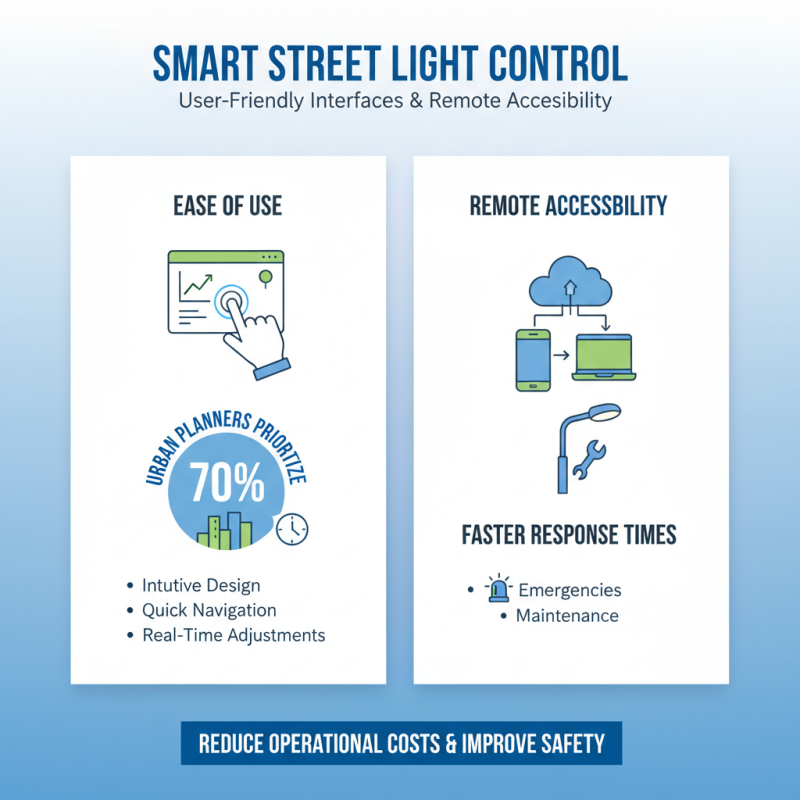
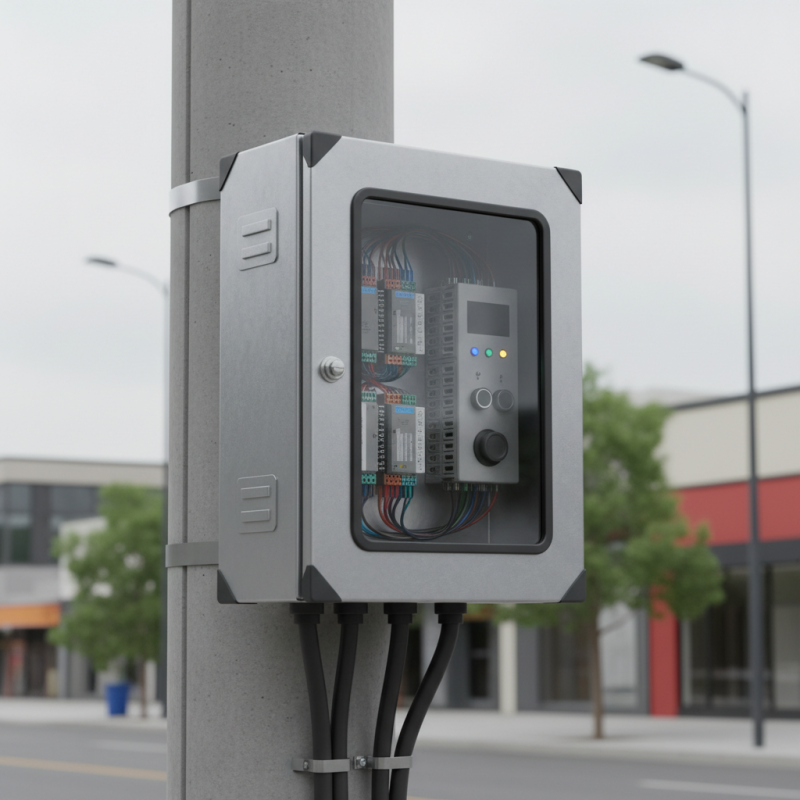
When selecting a street light control panel, certain key features are essential. A reliable control panel should offer user-friendly controls for easy operation. An intuitive interface allows personnel to manage settings without extensive training. This reduces the risk of operational errors and enhances efficiency.
Flexibility is another important attribute. It should support various communication protocols. This ensures compatibility with diverse lighting systems. Additionally, a good control panel often includes energy monitoring capabilities. This feature helps track power usage, leading to potential cost savings. Real-time data can highlight inefficiencies, urging a need for timely adjustments.
Durability also cannot be overlooked. The control panel must withstand harsh environmental conditions. Weather resistance is crucial for outdoor installations. Over time, cheaper panels may fail, leading to costly repairs. Users often overlook the importance of ease of integration with existing infrastructure. This aspect can significantly impact the overall installation process. Being mindful of these features will guide you to a more effective and dependable street light control panel.
Importance of Compatibility with Existing Systems
When choosing a street light control panel, compatibility is vital. Existing systems often include various hardware and software elements. A new control panel must integrate seamlessly without requiring extensive modifications. This compatibility can prevent costly upgrades.
Before purchasing, evaluate your current infrastructure. Check communication protocols and wiring configurations. Some systems might use outdated technology. Installing new equipment that is not compatible can lead to operational inefficiencies. Proper assessment can save time and resources later.
Tips: Regularly consult with experts regarding integration capabilities. They can provide insight into which features matter. Also, consider testing new panels in a limited capacity. This allows for adjustments without full commitment. Community feedback can also offer valuable perspectives on functionality and ease of use.
Understanding Energy Efficiency and Sustainability Metrics
When considering a street light control panel, energy efficiency is crucial. Efficient panels reduce energy waste and lower carbon footprints. They also save money over time. Look for systems that use LED technology. LEDs consume less energy than traditional bulbs and last longer.
Sustainability metrics are invaluable. They measure how well the panels align with environmental goals. A good control panel should allow for monitoring energy consumption. This helps in making informed decisions about usage and maintenance. Understanding metrics like lumens per watt can provide insight into efficiency.
Tip: Regularly review your energy usage. Small adjustments can lead to significant savings. Consider installing motion sensors to reduce energy use when light is not needed.
Remember to consider a control panel's adaptability. It should integrate with smart technologies. This flexibility enhances energy management. Assessing how these systems handle data is important. Proper data analysis can identify inefficiencies once overlooked.
What to Look for in a Street Light Control Panel? - Understanding Energy Efficiency and Sustainability Metrics
| Feature |
Description |
Energy Efficiency Rating |
Sustainability Metric |
Estimated Lifespan (Years) |
| Smart Dimming |
Adjusts brightness based on external light levels. |
A+ |
Reduces light pollution |
10 |
| Remote Monitoring |
Allows real-time tracking of street light status. |
A |
Improves maintenance efficiency |
15 |
| Solar Integration |
Utilizes solar panels for energy supply. |
A++ |
Promotes renewable energy |
20 |
| LED Technology |
High-efficiency lighting with lower energy consumption. |
A+ |
Long-lasting and energy-saving |
25 |
| Environmental Sensors |
Detects weather conditions for better performance. |
B |
Adaptive to local conditions |
12 |
Safety Standards and Regulatory Compliance Requirements
When selecting a street light control panel, understanding safety standards is crucial. Regulatory compliance ensures that the panel meets national and local codes. These standards cover aspects like electrical safety, environmental impact, and operational reliability. Facilities must select panels that adhere to guidelines set by organizations such as the National Electrical Code (NEC) and Underwriters Laboratories (UL).
Tips for compliance include designing with redundancy in mind. A control panel that has backup systems can prevent failures. Additionally, use weather-resistant materials to protect against environmental factors. Be attentive to proper grounding and wiring practices. This mitigates risks associated with electrical hazards.
Regular audits are essential. Conducting routine inspections helps identify potential issues early. Engage with experts who understand the latest safety regulations. Invite input from various stakeholders to enhance safety practices. This may reveal overlooked safety risks that could lead to non-compliance. Inspecting documentation and installation records assures adherence to standards.
Safety Standards Compliance for Street Light Control Panels