How to Choose the Right Pole Light Pole for Your Needs?
Choosing the right Pole Light Pole for your needs involves careful consideration of various factors. John Adams, an expert in outdoor lighting solutions, once stated, "The right pole can make or break your lighting design." His insight emphasizes the significance of selecting the appropriate pole for achieving effective illumination.
When exploring options for a Pole Light Pole, think about height, material, and aesthetic appeal. The right height ensures adequate light distribution. A sturdy material adds durability and longevity. Make sure the design complements your surroundings. These details enhance functionality while contributing to overall aesthetics.
It’s important to recognize that there's no one-size-fits-all solution. Each environment requires a unique approach. Some may favor a sleek aluminum pole, while others might prefer decorative fiberglass. Evaluate your needs carefully and reflect on past installations. Mistakes happen, and learning from them is crucial for success in outdoor lighting projects.
Understanding Different Types of Pole Lights for Various Applications
Choosing the right pole light requires understanding the different types available. Each type serves specific needs and environments. For outdoor use, LED pole lights are popular due to their energy efficiency and long life. They provide bright illumination while consuming less power. These lights are ideal for parking lots and large outdoor areas.
Solar pole lights offer a sustainable option. They harness solar energy during the day and illuminate at night. These lights are great for remote locations without electricity. However, their performance can be inconsistent in cloudy weather. It's essential to consider geographic features when selecting solar lights.
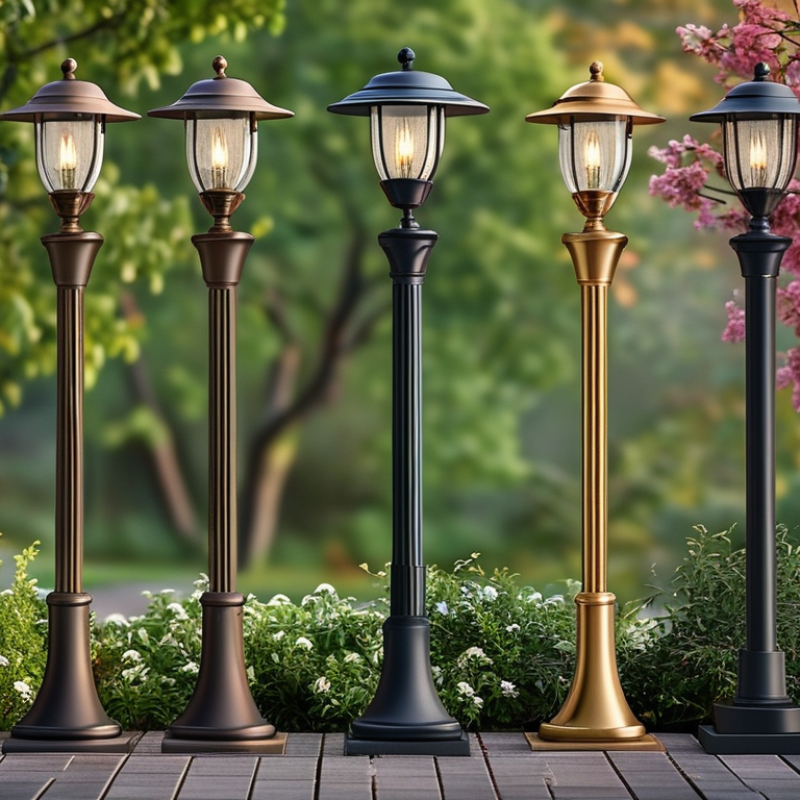
For decorative purposes, landscape pole lights can enhance a garden or pathway. They come in various styles, from modern to traditional. These lights create ambiance and charm in residential settings. However, they may lack the intensity needed for larger spaces. Understanding your specific application is crucial for making the best choice.
Assessing the Height and Size Requirements for Your Lighting Needs
When choosing the right pole light, assessing height and size is crucial. The lighting height impacts its efficiency. For example, a 10-foot pole works well in residential areas. In contrast, a 20-foot pole suits large parking lots or commercial spaces. Consider the area's layout. If there are tall trees or buildings, you may need higher poles to ensure uniform light distribution.
Size matters too. Think about the type of light fixtures you will use. The base must support the weight. An oversized fixture on a small pole can be unstable. Check whether the pole can handle the wind load in your area. Conducting a wind load analysis helps in making an informed choice.
Reflect on your specific lighting needs. Some areas may benefit from softer light, while others require brighter illumination. Take into account local regulations regarding light pollution. An inappropriate choice could lead to excessive glare, causing safety issues or affecting nearby homes. Balancing functionality and aesthetics is essential.
Evaluating Light Output and Energy Efficiency of Pole Lights
Choosing the right pole light starts with understanding light output. Measured in lumens, this indicates brightness.
For larger areas, select poles with higher lumen output. They can illuminate more space, ensuring safety and visibility.
Smaller, focused areas may need lower outputs. Think about the purpose before making a decision.
Energy efficiency is another crucial aspect. Look for LED options that consume less power. They can save money over time
and reduce environmental impact. Note that higher initial costs may apply, but these lights typically last longer.
This trade-off can be significant for budget-conscious users.
Tips: Consider the setup time. Some pole lights may require professional installation.
Measure your space accurately to avoid purchasing inadequate equipment. Always review energy consumption ratings
to further guide your decision. Make adjustments based on your specific lighting needs.
Considering Material Durability and Weather Resistance Factors
Choosing the right pole light pole hinges on material durability and weather resistance. Different materials perform uniquely under various conditions. Metal poles often offer strength but can rust over time. Fiberglass poles resist corrosion but may not withstand heavy winds as well. Each material presents advantages and challenges.
Weather resistance is crucial. A light pole facing harsh climates needs special consideration. For instance, aluminum can survive rain but can still be dented by hail. Similarly, wood can withstand storms yet is vulnerable to rot. It’s essential to evaluate your local weather patterns before deciding.
Reflecting on your specific environment can guide your choice wisely. Consider how often your area experiences extreme weather. Are storms frequent? Or does heat take a toll? A thoughtful selection based on these factors will not only enhance durability but also ensure your investment lasts. Balancing aesthetics and functionality is key, but so is being realistic about maintenance needs.
How to Choose the Right Pole Light Pole for Your Needs?
| Material |
Durability Rating |
Weather Resistance |
Weight (lbs) |
Average Cost ($) |
| Aluminum |
High |
Excellent |
15 |
120 |
| Steel |
Very High |
Good |
25 |
150 |
| Fiberglass |
Moderate |
Excellent |
10 |
140 |
| PVC |
Moderate |
Fair |
8 |
80 |
| Wood |
Low |
Fair |
20 |
60 |
Exploring Installation and Maintenance Options for Pole Lights
When selecting a pole light, installation plays a crucial role. Assess the location beforehand. Ensure it's free from obstacles like trees or buildings. Ground stability is vital for the safety of the pole once installed. Consider using concrete to secure the base for better durability. The height of the pole matters too. Taller poles cast wider light, but installation can be more challenging.
Maintenance is equally important. Regularly inspect the light for functionality. Check for rust or wear at the base. Replace any faulty bulbs immediately to avoid dark areas. Keep the surrounding area clear of debris. This will help maintain optimal lighting. Think about a routine inspection schedule. It can enhance the longevity of the pole light.
While installing and maintaining pole lights, be prepared for challenges. Each environment presents unique obstacles. Sometimes, budget constraints limit the type and quality of the lights. Continuous learning from failed installations or maintenance experiences can lead to better decisions in the future. Embrace this process to improve your overall approach to lighting solutions.