How to Choose the Best Automatic Street Light Controller?
Selecting the right Automatic Street Light Controller can significantly enhance urban lighting efficiency. These controllers not only save energy but also improve safety. Their importance in modern city planning cannot be overstated.
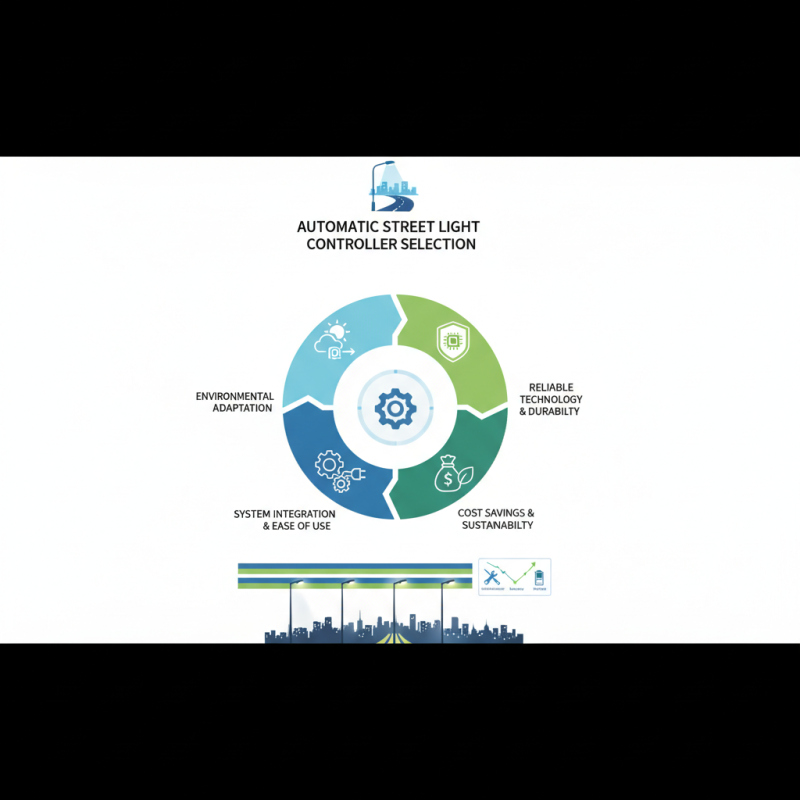
When choosing an Automatic Street Light Controller, consider several factors. The controller should match the local environment and lighting needs. Not all solutions work universally. Seek controllers that feature reliable sensors and robust technology. This ensures consistent performance under various weather conditions.
Some options may seem appealing but lack essential features. It's crucial to evaluate durability and ease of use. Reflect on how a controller integrates with existing street lighting systems. A well-chosen controller can lead to substantial cost savings, reducing maintenance efforts. Ultimately, the right Automatic Street Light Controller gives cities a brighter, more sustainable future.
Understanding the Functionality of Automatic Street Light Controllers
Automatic street light controllers are vital for urban infrastructure. They enhance energy efficiency and improve safety. Understanding how these controllers function is essential for making informed decisions.
These devices automatically turn on lights at dusk and off at dawn. They utilize sensors like photoresistors and motion detectors. According to a report by the International Energy Agency, cities can cut energy costs by 30% by implementing efficient street light systems. This statistic shows the importance of adopting advanced controllers.
Tips for choosing the right controller include assessing sensor capabilities and programming options. Look for controllers that allow customization based on local conditions. Reflect on the need for durability against weather factors. Some models may falter in extreme conditions.
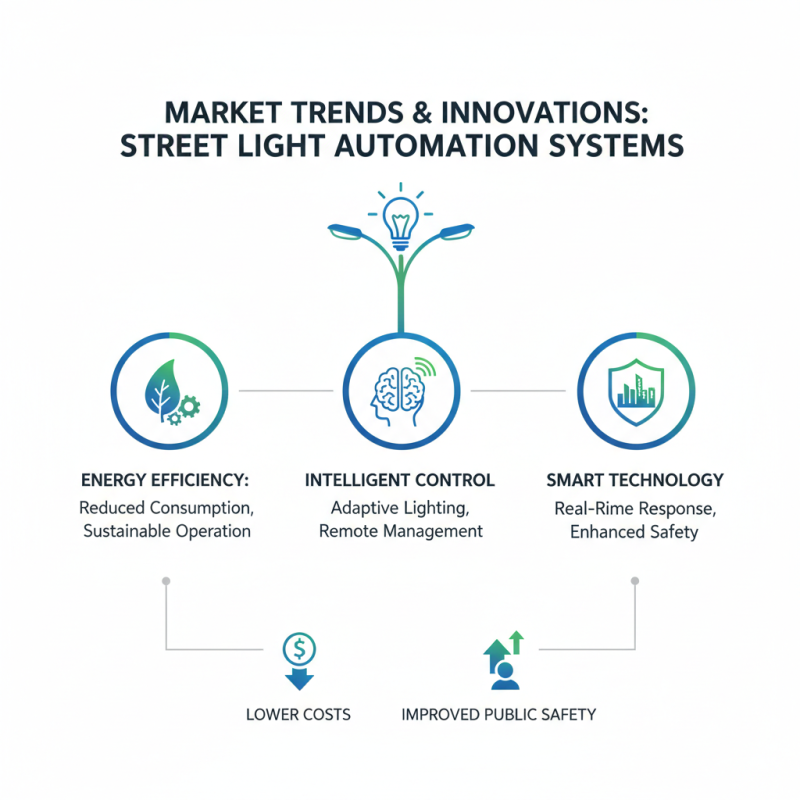
The integration of smart technology is a growing trend. Controllers can link with city networks for real-time monitoring. However, urban planners must ensure cybersecurity measures are in place to protect sensitive data. These considerations are crucial but often overlooked.
Overall, gaining a deep understanding of automatic street light technology is key. It leads to safer and more sustainable urban environments.
How to Choose the Best Automatic Street Light Controller?
| Feature |
Description |
Importance |
Typical Range/Value |
| Sensitivity Adjustment |
Ability to adjust light sensitivity for turning on/off at appropriate times. |
High |
1-100 lux |
| Timer Function |
Allows setting specific on/off times independent of ambient light. |
Medium |
1-24 hours |
| Weather Resistance |
Durability against rain, dust, and extreme temperatures. |
High |
IP65 or higher |
| Power Source |
Type of power used to operate the controller. |
High |
AC 110-240V or DC options |
| Remote Control |
Ability to control settings from a distance. |
Medium |
Yes/No |
| Dusk to Dawn Activation |
Automatically activates at dusk and deactivates at dawn. |
High |
Yes |
Key Features to Consider in Selecting Street Light Controllers
When selecting the best automatic street light controller, key features must be assessed carefully. Recent reports show that intelligent lighting can reduce energy consumption by up to 50%. This data highlights the importance of efficient controllers. One crucial feature is the intelligent dimming option. Controllers should allow for adjusting brightness based on street activity and time of day.
Another essential aspect is the weather resistance of the controller. Devices must withstand various environmental conditions. The controller should have an IP rating of at least 65, indicating dust and water resistance. Moreover, connectivity features play a vital role. Wireless communication, such as Zigbee or Wi-Fi, enables remote monitoring and management. However, potential cybersecurity risks should be evaluated. It’s important to protect sensitive data in smart city applications.
Integration capabilities are another factor to consider. Controllers should seamlessly work with existing infrastructure. Compatibility with various sensors is crucial. This can enhance functionality but often comes with technical challenges. Users may need guidance to navigate installation complexities. The evolving nature of technology means continuous updates and adaptations are necessary for optimal performance.
Evaluating Energy Efficiency Ratings and Performance Metrics
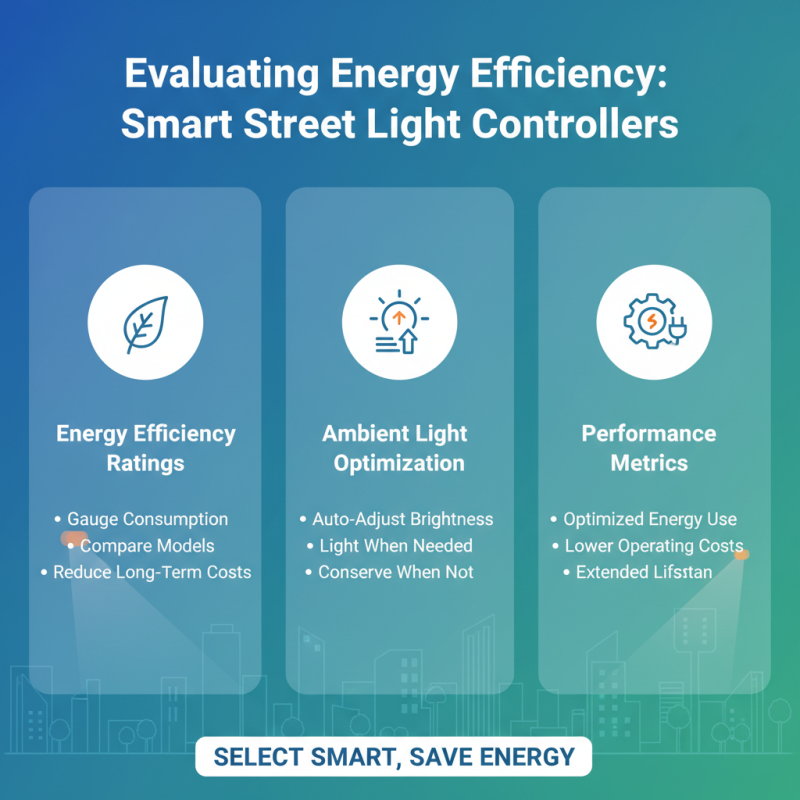
When selecting an automatic street light controller, energy efficiency is paramount. Understanding energy efficiency ratings helps gauge how much energy the system will consume over time. Different models can have varied ratings, influencing your long-term costs. Look for controllers that optimize energy usage based on ambient light levels. Some systems can adjust brightness, providing more light when needed and conserving energy when not.
Performance metrics play a crucial role in decision-making. Evaluate a controller's responsiveness to changing light conditions. Some controllers react slowly, which can lead to excess energy waste. An ideal controller should have quick adaptive capabilities. Moreover, consider durability and maintenance needs. A reliable product requires less maintenance and offers longer life spans.
When assessing these controllers, seek out independent reviews and real-world performance data. Recommendations often fail to tell the entire story. What works in one environment may not perform well in another. Look for detailed case studies that illustrate both successes and failures. It’s essential to weigh all available information critically. Investing time in this research can lead to smarter, more cost-effective decisions for your lighting projects.
Comparative Analysis of Different Technologies in Lighting Control
The shift towards automatic street light controllers is transforming urban lighting management. A comparative analysis reveals various technologies, including light sensors, timers, and smart systems. According to a report by the International Energy Agency, smart lighting solutions can reduce energy consumption by up to 50%. This is significant for cities aiming to meet sustainability goals.
Light sensors are a popular choice. They automatically adjust brightness based on ambient light. However, their efficiency can vary due to environmental factors, such as weather changes. Timers offer another approach, allowing for scheduled operation. Yet, these may not adapt well to unpredictable circumstances, potentially leading to wasted energy.
Emerging smart systems, integrated with IoT technology, present an advanced solution. They analyze data in real time, optimizing light usage. A study from the IEEE found that cities implementing smart lighting saw a 40% drop in maintenance costs. However, the initial investment can be a barrier for many municipalities. Each technology has its pros and cons, requiring careful consideration based on local needs and budgets. While advancements are encouraging, ongoing evaluations are essential to ensure effectiveness and efficiency in urban lighting.