2026 How to Choose the Best Street Light Control Panel?
Choosing the right Street Light Control Panel is critical for modern infrastructure. According to urban lighting expert Dr. Sarah Thompson, “Effective street lighting is more than illumination; it’s about safety and efficiency.” Her insight highlights the importance of selection within this field.
When evaluating options for a Street Light Control Panel, consider features such as energy efficiency, scalability, and ease of use. Each panel type has unique strengths and weaknesses. One might favor a cost-effective model, but this could compromise reliability.
The technological landscape is rapidly changing. Newer models offer advanced features but also come with a learning curve. Engaging local experts during the selection process can provide valuable insights. Pay attention to feedback from existing users—they often reveal oversights in design or functionality. Remember, the right choice today shapes tomorrow's urban landscape.
Understanding the Functions of Street Light Control Panels
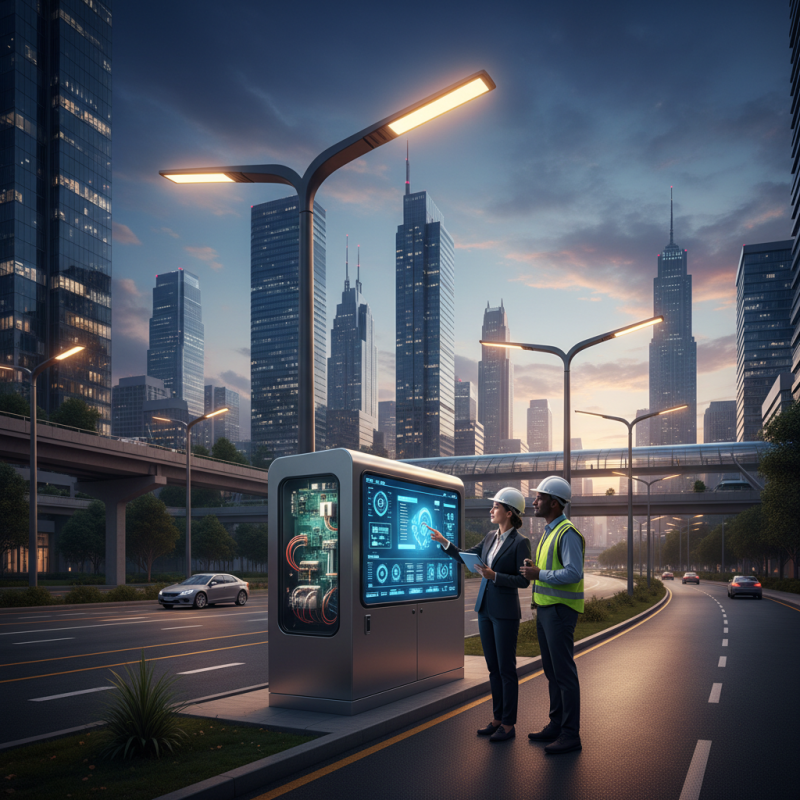
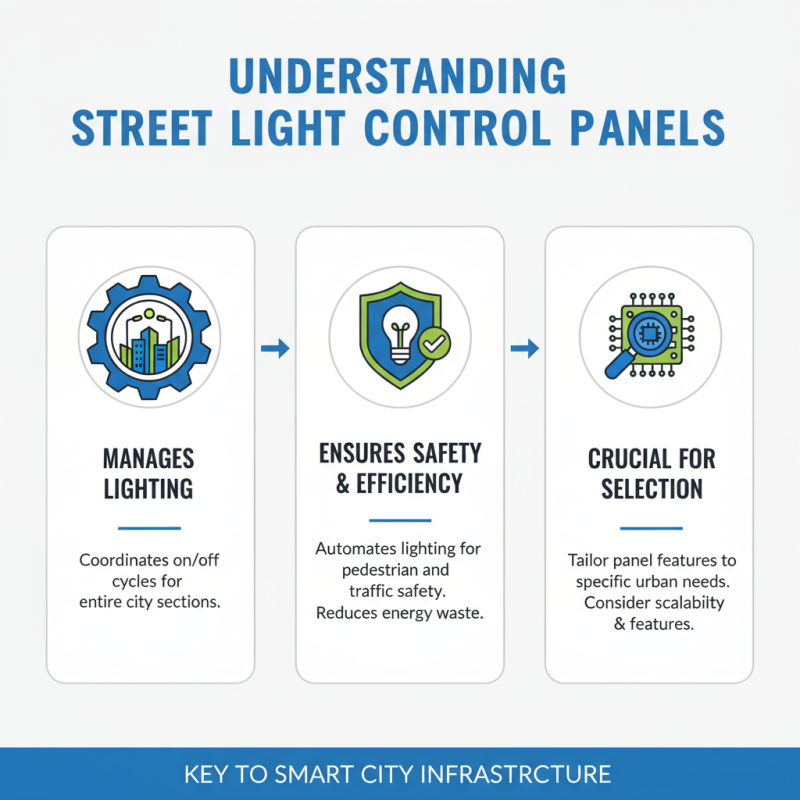
Street light control panels are crucial for managing urban lighting systems. They ensure safety and efficiency in public spaces. Understanding their functions can help in selecting the right panel for your needs.
A robust control panel offers features like dimming controls, scheduling, and remote monitoring. These capabilities help reduce energy consumption significantly. According to the U.S. Department of Energy, smart street lighting can save about 50% of energy used in traditional systems. Panels should also integrate with sensors for adaptive lighting based on traffic and weather conditions. Some municipalities report up to 70% reductions in maintenance costs due to proactive monitoring.
Tips: Always consider compatibility with existing infrastructure. Review the ease of use for city operators. Explore options that provide real-time data analytics for efficient management.
While advanced features are attractive, simplicity should not be overlooked. Overly complex systems may lead to user confusion. It’s essential to strike a balance between functionality and user-friendliness. Asking for feedback from current users can provide valuable insights.
Key Features to Look for in Street Light Control Panels
When choosing a street light control panel, several key features are crucial. Look for user-friendly interfaces that simplify operation. A clear display allows for easy adjustments and monitoring. Check if the panel offers real-time data reporting. Real-time feedback helps in managing energy consumption effectively. Having access to performance metrics can lead to improved decision-making.
Consider the panel's compatibility with various sensors. A good control panel should integrate easily with motion detectors, ambient light sensors, and remote controls. These enhancements allow for smart functioning. They also promote energy savings. The ability to program schedules is important too. Automated timing can significantly reduce energy waste.
Durability is another vital aspect. The control panel should withstand harsh weather conditions. Look for materials resistant to corrosion and extreme temperatures. A solid build enhances reliability. While it’s tempting to focus solely on advanced features, remember that simplicity adds value. A complex interface may lead to errors. Balancing high-tech options with user-friendliness is essential for effective street lighting management. Choose wisely to ensure sustainability and efficiency.
Evaluating Different Types of Street Light Control Technologies
When evaluating street light control technologies, it’s critical to consider their unique features. Smart controls use sensors to adjust brightness based on ambient light. This energy-saving approach can lead to significant reductions in electricity use. The integration of communication networks enhances adaptability. These systems can report failures and monitor energy consumption in real-time.
Another technology focuses on timers and programmable schedules. While they offer a degree of control, they may not be responsive to changing conditions. There’s a risk of leaving lights on when not needed or vice versa. This can lead to energy waste or safety concerns. They provide less flexibility compared to smart controls, which can adjust dynamically.
Solar-powered controllers represent a sustainable option. They operate independently of the grid, reducing dependency on traditional energy sources. However, performance can vary based on sunlight availability. This limitation may lead to inconsistent lighting during cloudy days or winter months. Evaluating the trade-offs in these technologies is essential for making informed decisions.
Evaluating Different Types of Street Light Control Technologies
Assessing Compatibility with Existing Infrastructure
When selecting a street light control panel, compatibility with existing infrastructure is crucial. Many municipalities rely on outdated lighting systems. Reports indicate that 65% of urban areas still use conventional street lights. This poses a challenge when integrating new technologies.
The assessment should start with an audit of the current infrastructure. Check for wiring types and mounting structures. Incompatibility can lead to increased project costs. A staggering 45% of installations exceed budgets due to unforeseen integration issues. Tailored solutions can prevent these costly errors.
Balancing new innovations with older systems requires careful planning. For example, LED street lights offer energy savings of up to 60%. However, if the control panel is not compatible, these savings may diminish. It is essential to conduct a thorough analysis of both systems. Understanding these nuances can lead to more effective and sustainable street lighting solutions.
2026 How to Choose the Best Street Light Control Panel? - Assessing Compatibility with Existing Infrastructure
| Feature |
Description |
Importance Level |
Compatibility Rating |
| Control Type |
Review the type of control panel (manual, automated, smart, etc.) |
High |
5/5 |
| Energy Efficiency |
Assess the energy consumption of the control panel |
Medium |
4/5 |
| Integration Capability |
Determine if the panel integrates with existing systems |
High |
5/5 |
| User Interface |
Evaluate the ease of use of the control panel |
Medium |
4/5 |
| Durability |
Consider the build quality and resistance to elements |
High |
5/5 |
| Cost |
Analyze the total cost of installation and maintenance |
High |
3/5 |
Cost Considerations and Budgeting for Street Light Control Panels
When budgeting for street light control panels, accuracy is crucial. Costs can vary widely based on features and specifications. Energy efficiency, for example, is often a driving factor. More efficient panels may have a higher upfront cost but can lead to savings over time. Understanding these nuances helps in making informed decisions.
Installation and maintenance should also factor into the budget. While it might be tempting to skimp on initial costs, selecting quality components can prevent future expenses. Poorly designed panels may require frequent replacements or repairs, negating any savings from the initial purchase. Assessing the long-term implications is necessary.
Moreover, consider local regulations. Compliance with standards can influence costs. Sometimes, budget constraints limit choices, requiring a compromise on quality. It’s essential to strike a balance between cost and reliability. Engaging with experts and analyzing previous projects can provide valuable insights, making the budgeting process more effective.