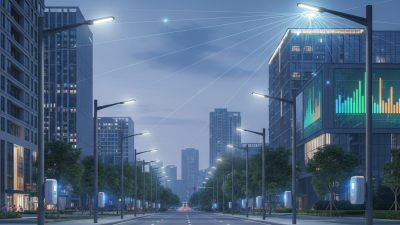
What Are the Top Street Lighting Control Suppliers in China?
Choosing among China’s Street Lighting Control suppliers takes more than comparing prices or product photographs. A control cabinet may look polished, yet the real test comes on a wet service road at midnight: does the system dim reliably, report faults, and help crews locate failures? Buyers should examine controller compatibility, communication options, cybersecurity practices, warranty terms, and the supplier’s record of field support. Small details matter. Ask how the platform handles a lost network connection, whether operators can set schedules by zone, and what data they can export.
Lighting researcher Peter Raynham’s work offers a useful principle: “Controls should improve useful lighting without adding needless complexity.” This is an editorial paraphrase, not a verified verbatim quotation. It points to a practical distinction between feature-rich demonstrations and systems that municipal teams can operate every night. For Chinese suppliers, evidence may include installation references, test reports, sample dashboards, and clear documentation in the buyer’s working language. Request a live demonstration using realistic street layouts, not only a factory presentation.
This guide examines leading suppliers, their product strengths, and the questions worth asking before procurement. Supplier rankings can shift as products, service networks, and export experience change. A company with an impressive catalog may still need to prove after-sales response times in your region. No checklist removes every uncertainty. The aim is a better-informed shortlist, grounded in verifiable capabilities rather than broad claims.
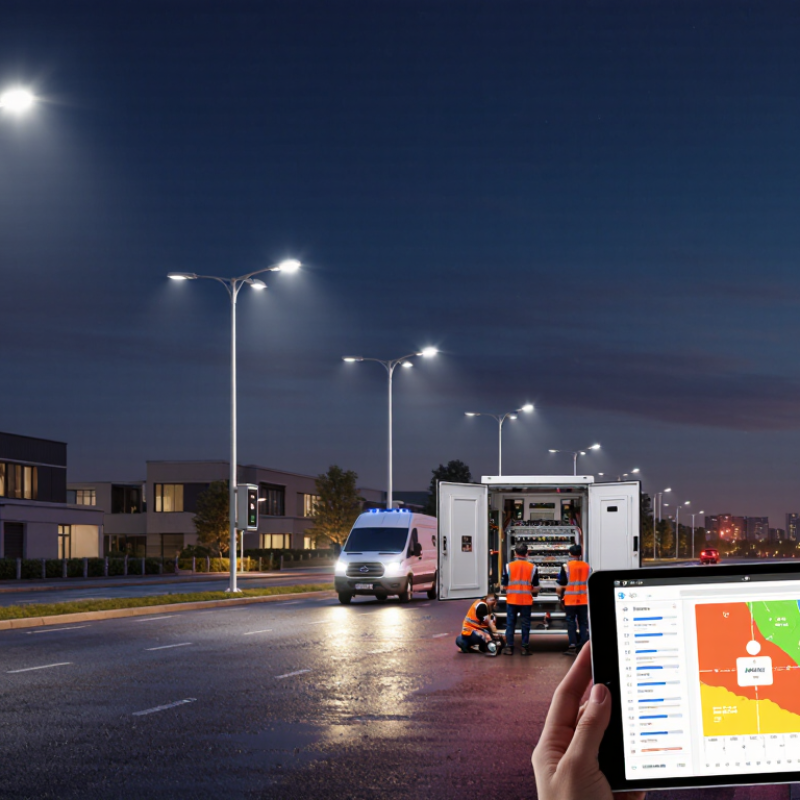
What Street Lighting Control Systems Do
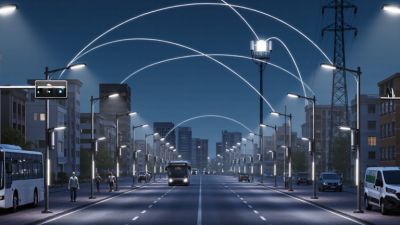
Street lighting control systems coordinate lamps, sensors, communication links, and management software. They help operators switch lights on or off, adjust brightness, and check equipment status. At a roadside cabinet, a controller may follow a programmed schedule or respond to measured ambient light. Astronomical clocks can adjust switching times to local sunrise and sunset. Dimming profiles can reduce output during quiet hours, then raise it near crossings or busy roads. Small details matter: a gradual change can feel less abrupt to drivers and nearby residents.
This matters.
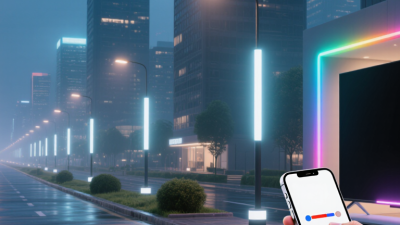
Remote monitoring can show which lamps are offline, using more energy than expected, or reporting faults. Maintenance teams can use those alerts to plan inspections instead of relying only on night-time patrols. Some systems also track energy use by area and time, helping cities compare operating patterns. Readings still need context; weather, road activity, and sensor placement can affect them.
There is a catch.
A control platform is only useful when its devices communicate reliably and its schedules match local needs. Poor network coverage or an incorrect dimming plan can leave dark patches or create uneven lighting. Before deployment, suppliers should explain compatibility, data access, failure behavior, and how staff can override settings during maintenance.
Core Technologies Used in Modern Street Lighting Controls
Modern street lighting controls combine LED drivers, network nodes, sensors, and management software. A photocell can switch lamps at dusk, while a motion sensor can raise light levels when people or vehicles approach. Useful in quiet streets. Dimming schedules also reduce output during low-traffic hours, but settings need care around crossings and busy junctions.
Communication networks carry commands and fault reports. Common options include cellular links, radio mesh, and power-line communication; each suits different pole spacing and signal conditions. The U.S. Department of Energy’s 2017 field evaluation of LED street lighting reported energy reductions of roughly 50–70% in tested projects compared with conventional lighting. That figure reflects LED retrofits, not controls alone. NEEP’s smart street lighting guidance describes remote monitoring and adaptive dimming as practical network functions. A failed node may still leave a lamp operating locally, depending on system design. Check this in the field, not just on a screen.
Good controls also need accurate commissioning. A sensor pointed toward a tree can trigger needless brightness changes. Operators should test dimming levels, communication coverage, and fault alerts after installation. Data logs help reveal outages and unusual energy use, though poor calibration can make the dashboard look more certain than the street really is.
How to Assess Street Lighting Control Suppliers
Assessing a street lighting control supplier starts with the actual project, not a sales presentation. Check whether its controllers work with the planned luminaires, communication network, and management software. Ask for clear interface documentation and a demonstration of dimming schedules, fault alerts, and remote adjustments. Simple matters.
Review equipment ratings against local conditions. A cabinet near a coastal road may face salt, moisture, and heat; a busy junction may need dependable communications during peak traffic. Request test records, warranty terms, spare-parts availability, and a realistic service response plan. Vague promises are hard to evaluate later.
Look beyond the purchase price. Compare installation effort, software fees, training, maintenance, and expected replacement needs across the system’s operating life. Ask for references from projects with similar scale and conditions, then speak with the people who maintain them. A small pilot can reveal confusing dashboards or unreliable connections before wider deployment. No checklist is perfect. Even detailed tests may miss issues that appear after a season of operation, so suppliers should explain how faults are tracked and corrected. Their answers, and the quality of their documentation, often show how practical their support will be.
How to Assess Street Lighting Control Suppliers
A practical evaluation framework for comparing supplier proposals—not a market ranking or survey result.
How to use it: Score each supplier against the same evidence, such as documented compatibility, demonstrated control functions, environmental specifications, security practices, and support terms. The percentages are suggested evaluation weights; adjust them to match project requirements.
Leading Street Lighting Control Suppliers in China
Leading street lighting control suppliers in China are best judged by more than product range. Strong suppliers offer interoperable controllers, stable communications, clear commissioning tools, and support for outdoor maintenance. Ask how the system handles dimming schedules, fault alerts, and connectivity loss. A controller that works in a showroom may behave differently on a wet road, where cabinets are distant and signal coverage varies.
Energy data explains why these details matter. The International Energy Agency reports that lighting uses about 15% of global electricity. The U.S. Department of Energy’s 2017 forecast projected annual savings of 569 terawatt-hours by 2035 from wider LED adoption across general lighting. That figure is not a street-control saving estimate; it highlights the scale of efficient lighting upgrades. Controls can help cities manage operating hours and brightness, but savings depend on baseline equipment, traffic patterns, and settings.
When comparing China-based suppliers, review test records, cybersecurity practices, integration protocols, and local service capacity. Request a pilot on several road types, not just one avenue. Measure energy use and fault response before expanding. A weakness in many procurement plans is treating software updates as an afterthought. They are not. Also check whether maintenance teams can export data without relying on a supplier’s specialist. Small operational details often decide whether a control network remains useful after installation.
How Chinese Suppliers Differ in Products and Services
Chinese street lighting control suppliers differ less by catalog size than by how well their systems fit a project.
Some focus on standalone photocell controllers and timed dimming. Others offer networked nodes that let operators adjust brightness remotely, monitor faults, and group lamps by street. A useful comparison starts with the actual hardware: connector type, dimming protocol, surge protection, and enclosure rating. Small details matter.
Service levels also vary. One supplier may provide standard products with quick quotations, while another helps map control zones, review wiring diagrams, and configure software dashboards. Ask for sample test reports and clear operating instructions. If a pilot installation is possible, check how the controller responds at dusk, during a power interruption, and when communication drops. Not always smoothly. That is worth finding out early.
After-sales support can be the real difference. Confirm who handles firmware updates, replacement units, and troubleshooting across time zones. Ask whether spare parts remain available for the expected service life, and whether technicians can explain faults using readable logs rather than vague error codes. Custom development can solve a specific need, but it may bring longer lead times and more testing. A supplier’s response to a detailed technical question often reveals more than a polished product brochure.