Top 10 Intelligent Lighting Solutions for Smart Homes?
The rise of intelligent lighting solutions marks a significant change in smart home technology. Recent studies indicate that the global smart lighting market is projected to reach $25 billion by 2025, driven by consumer demand for convenience and energy efficiency. Intelligent lighting systems offer more than just illumination; they provide customizable atmospheres and enhance security. According to a report by Grand View Research, the adoption of intelligent lighting can reduce energy consumption by up to 60%.
Homeowners are increasingly integrating intelligent lighting with smart home devices. This blend of functionality and aesthetics is appealing. Lighting solutions can adjust based on time of day or occupancy. However, many consumers still struggle to understand the technology fully. Despite its advantages, selecting the right intelligent lighting solution can be overwhelming. It's essential to evaluate options carefully.
Balancing innovation with usability is critical. Not all intelligent lighting systems are user-friendly. Many models may require complex setups that deter potential users. Nonetheless, understanding and utilizing intelligent lighting can lead to remarkable benefits. Clarity on these technologies can foster more informed decisions, ensuring a smoother transition to smarter living spaces.
Benefits of Intelligent Lighting in Smart Homes
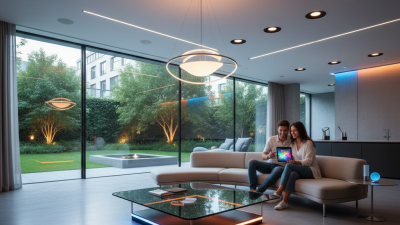
Intelligent lighting systems offer numerous benefits for smart homes. These solutions enhance the ambience, making spaces more inviting. You can adjust the brightness and color of lights based on your mood or time of day. This customization improves comfort and well-being.
Energy efficiency is another key advantage. Smart lighting can optimize energy usage by automatically turning off when rooms are unoccupied. This not only saves on electricity bills but also reduces environmental impact. Using sensors and timers adds convenience and can prevent overuse.
However, adopting intelligent lighting isn't without challenges. Technical issues can arise, and adapting to new systems may take time. Some users find it overwhelming to navigate multiple apps or devices. Regular updates and maintenance are necessary to keep everything running smoothly. Balancing technology with daily life requires ongoing reflection and adjustments.
Key Features to Look for in Smart Lighting Solutions
When choosing intelligent lighting solutions for smart homes, several key features stand out. One major consideration is compatibility with existing smart home systems. According to a recent industry report, over 70% of consumers prioritize seamless integration. This enhances user experience and functionality.
Another critical aspect is energy efficiency. Smart lighting can significantly reduce energy consumption. A study by the International Energy Agency suggests that smart lighting solutions can cut energy use by up to 30%. This not only lowers utility bills but also contributes to environmental sustainability.
Tips: Focus on adaptive lighting features that adjust brightness based on natural light. This creates a dynamic ambiance while saving energy. Additionally, look for customizable color options to suit different moods.
User-friendly controls are also essential. Voice activation and mobile app integration enhance convenience. Research shows that 60% of users prefer voice commands for managing lights. Consider solutions that allow for programmable schedules. This can automate light settings to fit your routine.
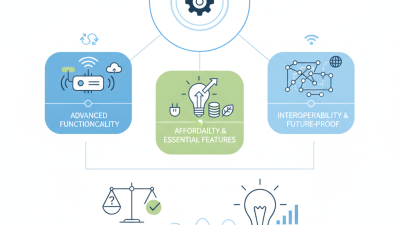
Investing in quality smart lighting pays off long-term. However, be cautious of overly complex systems that can lead to frustration. Balancing features with usability is key for a satisfactory smart home experience.
Top 10 Intelligent Lighting Products for Home Automation
Smart homes thrive on innovation, and intelligent lighting solutions are at the forefront. According to a recent market report, the global smart lighting market is projected to reach $38 billion by 2025. This growth is driven by the increasing demand for energy-efficient solutions and enhanced automation features. Homeowners are integrating smart lighting systems that offer customized control, convenience, and efficiency.
Investing in products like motion sensors, color-changing bulbs, and smart switches has become common. These devices allow users to tailor lighting based on time of day and activity. For instance, smart LEDs can reduce energy consumption by up to 80% compared to traditional bulbs. With smart apps, you can program your lights to follow your schedule, creating a seamless living experience.
Tip: Look for systems compatible with other smart home devices for better integration. You might want to consider systems that support voice control for hands-free operation. However, some homeowners face challenges with connectivity and setup, highlighting the importance of thorough research before purchasing. Ensuring compatibility with your existing devices is crucial to avoid frustration.
Top 10 Intelligent Lighting Solutions for Smart Homes
| Product Name |
Type |
Features |
Compatibility |
Price Range |
| Smart LED Bulb |
Bulb |
Voice Control, Color Changing |
iOS, Android |
$10 - $30 |
| Smart Light Strip |
Light Strip |
Color Changing, Sync with Music |
iOS, Android |
$20 - $50 |
| Smart Table Lamp |
Lamp |
Touch Control, Adjustable Brightness |
iOS, Android |
$30 - $70 |
| Smart Ceiling Light |
Ceiling Fixture |
Voice Control, Dimmable |
iOS, Android |
$50 - $100 |
| Smart Outdoor Light |
Outdoor Fixture |
Motion Sensor, Weatherproof |
iOS, Android |
$40 - $80 |
| Smart Plug |
Plug |
Remote Control, Scheduling |
iOS, Android |
$15 - $40 |
| Smart Floor Lamp |
Floor Lamp |
Voice Control, RGB Options |
iOS, Android |
$70 - $150 |
| Smart Dimmer Switch |
Switch |
Dimming Feature, Remote Access |
iOS, Android |
$25 - $60 |
| Smart Wall Light |
Wall Fixture |
Color Control, Adjustable Angles |
iOS, Android |
$30 - $80 |
| Smart Motion Sensor Light |
Sensor Light |
Automatic Lighting, Energy Efficient |
iOS, Android |
$20 - $50 |
Comparative Analysis of Smart Lighting Technologies
Smart lighting technologies have transformed how we illuminate our homes. These systems offer more than convenience; they enhance energy efficiency and create personalized environments. From color-tunable LEDs to motion sensors, each solution has unique features worth exploring. Homeowners can control the ambiance with a smartphone or voice assistant, making adjustments seamless.
Consider the energy savings. Smart bulbs consume less power, adapting to your usage patterns. Installing these can lead to lower electricity bills over time. However, it’s essential to balance features with actual needs. Not every home requires complex systems. Focus on simplicity and practicality for the best results.
Tip: Before purchasing, evaluate which features truly benefit your lifestyle. Test a few products to see their performance. Integration with existing home automation systems is crucial. A lighting solution should enhance, not complicate, your daily life. Reflect on what lighting means to your comfort and productivity for improved choices.
Installation and Integration of Intelligent Lighting Systems
The installation and integration of intelligent lighting systems have become a focal point for smart home solutions. A recent report by the Smart Home Market Research Group indicates that over 30% of households are expected to adopt smart lighting within the next five years. This shift highlights the increasing interest in efficient energy use and enhanced user experiences.
Integrating an intelligent lighting system can often be more complex than anticipated. Many homeowners are unaware of the technical requirements involved. For example, proper network setup is crucial, yet studies show that 25% of users face connectivity issues during installation. Additionally, the importance of DIY versus professional assistance can’t be overstated. While DIY options are appealing, they may lead to complications later, affecting usability and functionality.
Moreover, considerations such as compatibility with existing devices and local regulations cannot be overlooked. Research shows that 40% of intelligent lighting solutions fail due to insufficient installations that do not adhere to safety standards. This points to a need for potential users to thoroughly evaluate their environment. Exploring options and consulting with experts can lead to a more seamless integration experience. Without proper planning, achieving the desired smart home environment can be challenging and frustrating.
Top 10 Intelligent Lighting Solutions for Smart Homes
This chart displays the estimated market share percentage of the top 10 intelligent lighting solutions used in smart homes. The data illustrates the growing trend and adoption of these technologies, highlighting the importance of energy efficiency and smart control features.