Best Zhaga Controller Solutions for Efficient Lighting Control?
The landscape of lighting control is rapidly evolving. At the heart of this transformation lies the Zhaga Controller, a pivotal component for efficient lighting solutions. These controllers enable smart lighting systems that respond dynamically to their environment. Leveraging the Zhaga standard, manufacturers can produce interoperable devices that enhance user experience and energy efficiency.
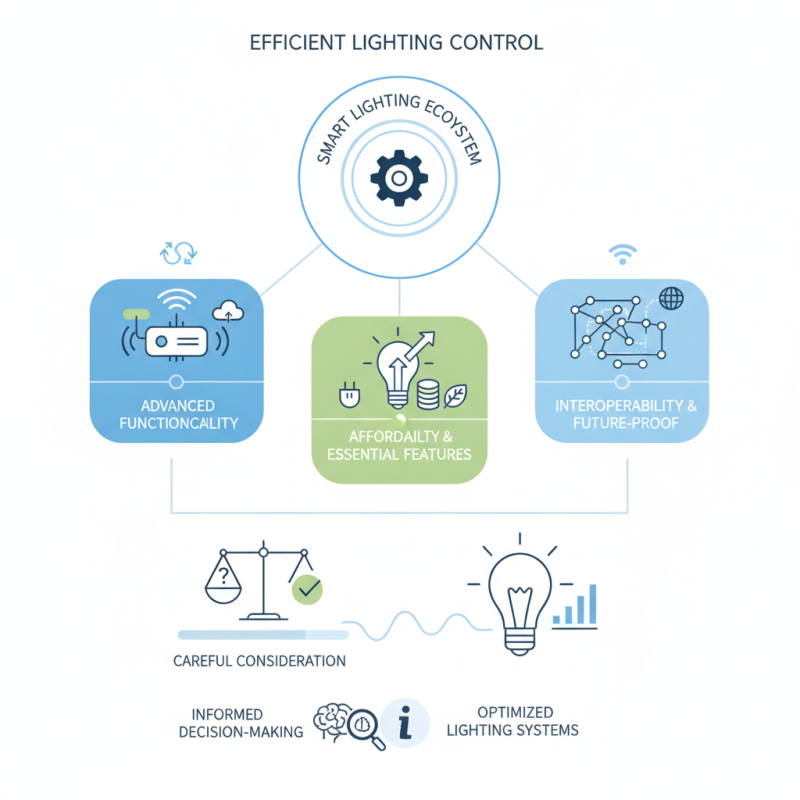
Understanding the various options for Zhaga Controllers is crucial. Not all solutions are created equal, and the diverse range often leaves users perplexed. Some options offer advanced functionality but may come at a higher cost. Others promise affordability yet might lack essential features. This nuanced landscape requires careful consideration, as the right choice impacts performance and longevity.
Adopting Zhaga Controllers can significantly optimize lighting systems. Still, it's essential to think critically about each solution's advantages and shortcomings. Users must weigh their specific needs against the options available. In a world where technology is constantly advancing, being informed is key to making effective decisions for lighting control systems.
Overview of Zhaga Standards for Lighting Control Solutions
Zhaga standards play a crucial role in the evolution of lighting control solutions. These standards ensure interoperability between different lighting components, enhancing efficiency. According to a
2022 market report, adopting Zhaga-compliant systems can improve energy efficiency by up to 30%. This impact is significant in urban areas where energy consumption is a major concern.
The Zhaga Consortium provides a framework that enables manufacturers to develop compatible products. This promotes innovation and collaboration among industry players. For instance, studies indicate that smart lighting solutions adhering to Zhaga standards lead to
reduced costs over time. Benefits include lower maintenance and operational costs due to enhanced durability and reliability.
However, challenges remain in implementing these standards universally. Variability in regional adoption can complicate widespread integration. Furthermore, some stakeholders may hesitate to transition to Zhaga-compliant products due to upfront costs. Balancing these factors will be essential as the industry moves toward more efficient lighting control systems. Continuous feedback from users is vital for refining these solutions.
Key Features and Benefits of Zhaga Controllers
Zhaga controllers have emerged as a vital component in modern lighting systems, offering numerous advantages for efficient control. These devices enable seamless integration with various light sources, enhancing adaptability and functionality in diverse environments. Across urban and commercial sectors, Zhaga-compliant solutions support energy-efficient operations, crucial in today’s sustainability efforts. According to industry reports, utilizing smart lighting solutions can reduce energy consumption by up to 30%. This significant reduction reflects the ongoing shift toward cost-effective and eco-friendly lighting technologies.
Key features of Zhaga controllers include compatibility with various luminaires and sensors. This interoperability allows for tailored lighting solutions that meet specific needs. Studies indicate that businesses adopting smart lighting technologies experience a 20% boost in productivity. Additionally, the user-friendly interfaces of these controllers facilitate easy adjustments and monitoring of lighting conditions.
Flexibility is critical; however, challenges can arise in installation and configuration. Training staff to navigate these systems can be a barrier for some organizations.
Despite the benefits, there are nuances to consider in implementation. Some organizations report difficulties in integrating existing infrastructure with new Zhaga systems. As technology rapidly evolves, staying updated with industry standards proves essential. Research shows that 40% of businesses face challenges in maintaining system compatibility. Addressing these concerns through thorough planning and strategic investment will be essential for maximizing the potential of Zhaga lighting controller solutions.
Comparison of Leading Zhaga Controller Manufacturers
When exploring the best Zhaga controller solutions, it’s crucial to examine the leading manufacturers in the market. These companies offer diverse products that cater to various lighting control needs. Key players often showcase their expertise through innovative designs and reliable performance, ensuring that lighting systems function efficiently for any installation.
Tips: Always check the compatibility of controllers with your lighting fixtures. This can save time and reduce installation headaches.
Some manufacturers provide robust technical support. This is essential for troubleshooting and optimizing your setup. Look for options that enhance user experience through easy integration and software updates.
Emphasizing user feedback helps identify potential flaws in products. Think about how these factors influence your decision. Understanding these intricacies can lead you to a more informed choice. The right Zhaga controller can significantly improve your lighting control system's efficiency and reliability.
Implementation Strategies for Zhaga Controllers in Lighting Systems
Implementing Zhaga controllers in lighting systems can lead to significant improvements in efficiency and control. These controllers allow for seamless integration of smart lighting technology, enabling users to adjust brightness and color temperature based on specific needs. An effective strategy is to assess the existing lighting infrastructure. Identify areas that require enhancement for better energy savings and productivity.
Tips: Regularly check compatibility of existing fixtures with Zhaga standards. This can save time and prevent costly mistakes.
Another aspect to consider is user training. Educating staff on how to utilize these controllers can enhance functionality. Training should cover basic operations and potential advanced features. Light management can become complex; user feedback is essential for ongoing optimization.
Tips: Create a simple user manual to assist operators in troubleshooting. This can build confidence in managing lighting systems.
Finally, ensure regular maintenance of the system. Over time, controllers may require updates or recalibrations. A proactive maintenance schedule can prevent outages and preserve performance. Engaging with stakeholders throughout the process is crucial. Their experiences often uncover overlooked details that can be pivotal for success.
Best Zhaga Controller Solutions for Efficient Lighting Control
This chart illustrates the various strengths of Zhaga Controller Solutions in terms of Energy Efficiency, Cost Savings, Installation Ease, Flexibility, and User Control, showcasing their effectiveness in modern lighting control systems.
Future Trends in Zhaga-Based Lighting Control Technologies
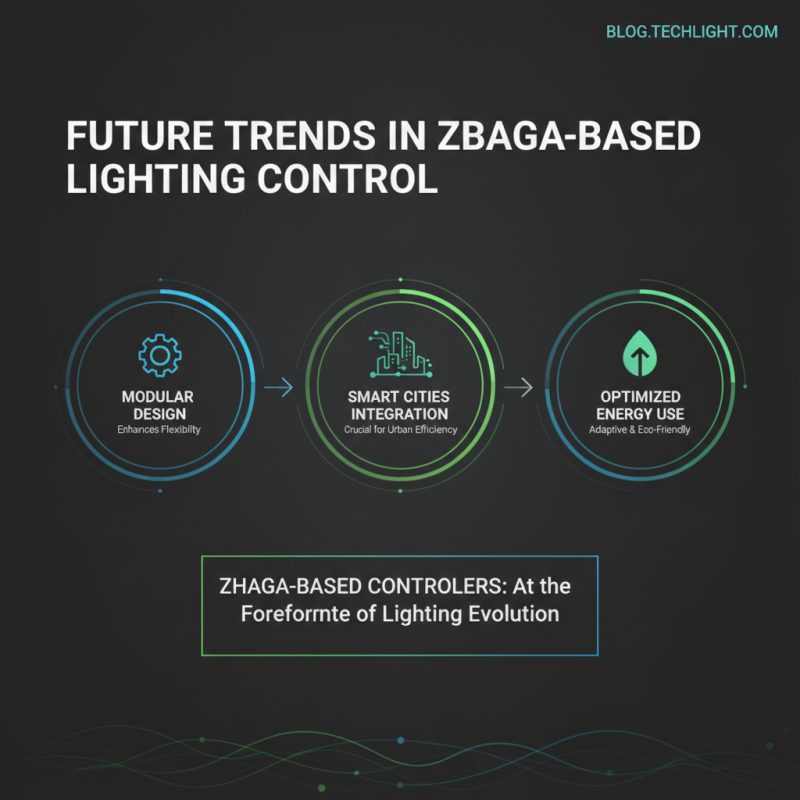
The landscape of lighting control technology is undergoing significant changes. Zhaga-based controllers are at the forefront. Their modular design enhances flexibility in lighting systems. With the rise of smart cities, effective lighting control becomes crucial. These controllers adapt to various environmental conditions, optimizing energy use.
Future trends indicate a push towards more integrated systems. Manufacturers are focusing on IoT connectivity. This allows for real-time monitoring and control. However, challenges remain. Compatibility across different brands can be an issue. Standardization will be necessary for widespread adoption. Furthermore, cybersecurity in these networked lighting systems cannot be overlooked.
Innovative features, like automated dimming and daylight harvesting, are gaining traction. The use of sensors enhances these capabilities. Yet, the industry must address the learning curve for end-users. Education on these systems is vital for effective implementation. The future looks promising, but it will require collaboration and commitment from all stakeholders.