Top Intelligent Lighting Tips to Enhance Your Space Today
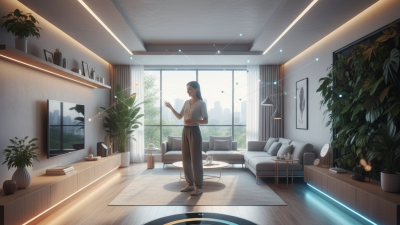
In the realm of home design, "Intelligent Lighting" has become a key factor in enhancing our living spaces. Industry expert Emily Johnson once stated, “Lighting is not just a tool; it transforms experiences.” This insight underscores the importance of choosing the right lighting solutions. Intelligent Lighting systems can adjust to our lifestyle, bringing comfort and style to any environment.
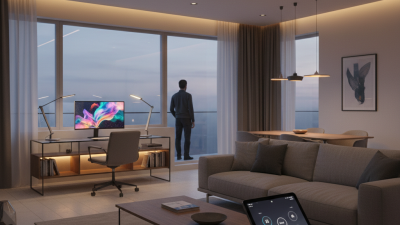
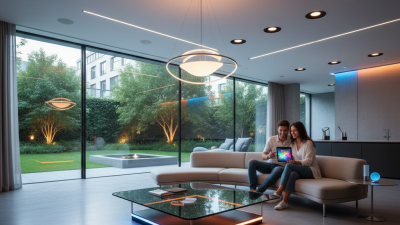
Imagine coming home after a long day. With Intelligent Lighting, you can set a warm, inviting atmosphere with just a tap. These systems offer more than brightness; they create moods. However, many still overlook their potential. Many homes remain stuck in simplicity, missing out on innovations available today.
Customizable and efficient, Intelligent Lighting can elevate your space significantly. Yet, without proper understanding, it can feel overwhelming. It’s essential to evaluate how each light affects your ambience. The right choices amplify function and aesthetic. As we explore tips to enhance your environment, remember, it's about more than just illumination; it’s about creating a feeling.
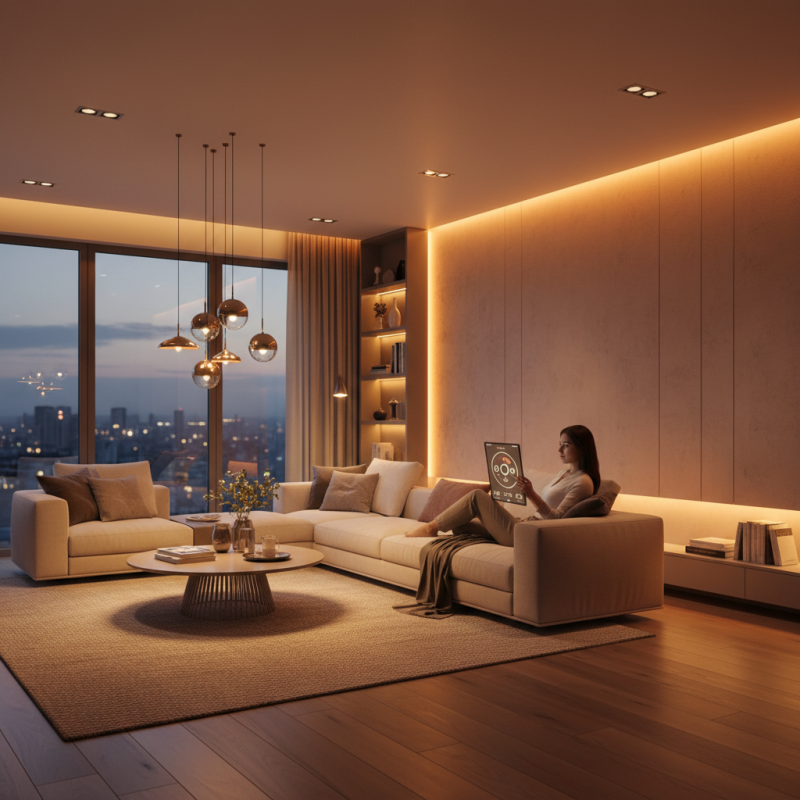
Understanding Intelligent Lighting and Its Benefits
Understanding intelligent lighting can transform your living spaces. It creates moods and enhances functionality. With advancements in technology, smart lighting systems allow you to control ambiance easily.
Effective lighting improves focus and relaxation. Consider using warm tones during evening hours to create a calming atmosphere. Dimming lights can help reduce eye strain when reading. Often, we overlook how bright lights impact our mood.
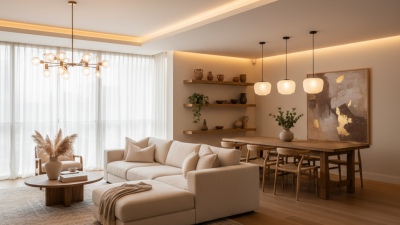
Adjust the placement of lighting fixtures. Position lights to highlight architectural features or artworks. This approach adds depth and interest to your space. Remember, experimenting can lead to unexpected results. Sometimes the best lighting setups come from trial and error.
Top Intelligent Lighting Tips to Enhance Your Space Today
| Tip |
Description |
Benefits |
| Use Smart Bulbs |
Install smart bulbs that allow you to change colors and brightness through an app. |
Customization to match mood and activities, energy efficiency. |
| Motion Sensors |
Implement motion sensors for automatic lighting control in rooms. |
Convenience and energy savings when rooms are not in use. |
| Dimming Features |
Install dimmable lights for flexibility in lighting levels. |
Create ambiance, enhance comfort, and save energy. |
| Smart Lighting Scenes |
Set up different lighting scenes for various activities or times of day. |
Easy transition between tasks, enhances functionality. |
| Integration with Home Automation |
Connect lighting with home automation systems to synchronize with other devices. |
Increased home convenience and security through synchronized control. |
Choosing the Right Intelligent Lighting Solutions for Your Space
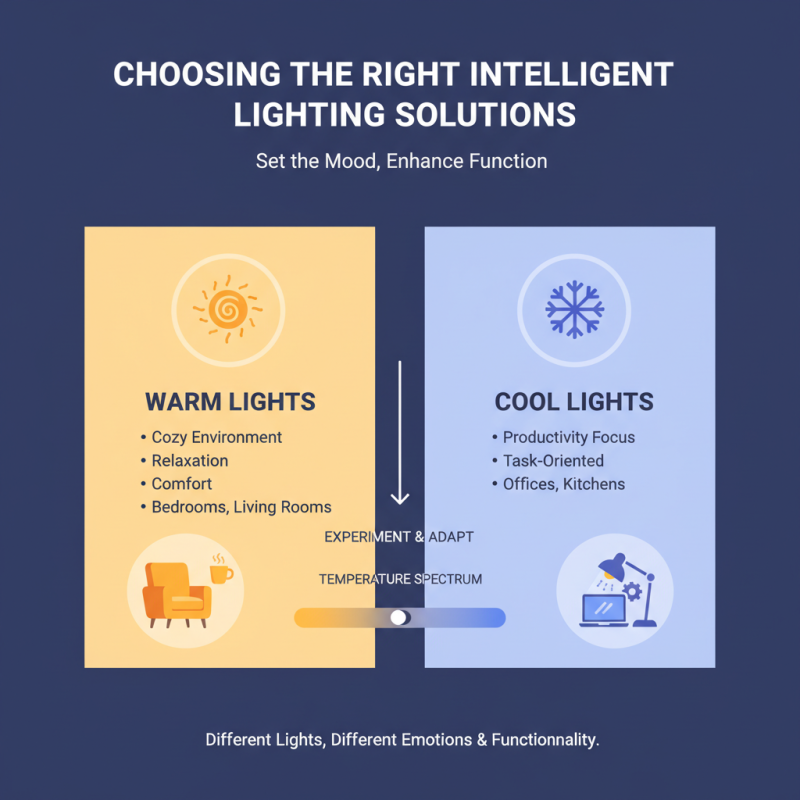
When selecting intelligent lighting solutions, consider the mood you want to create in your space. Different lighting temperatures affect emotions and functionality. Warm lights can make a cozy environment, while cool lights are ideal for workspaces. Take time to experiment with these variations.
One tip is to layer your lighting. Combine ambient, task, and accent lighting to achieve balance. This technique adds depth and dimension to your room. Use dimmable switches or smart bulbs to adjust brightness effortlessly. However, it’s easy to overdo it. Too many light sources can create confusion rather than comfort.
Another aspect to think about is the control method. Smart lighting can be managed through smartphones, but don’t overlook the importance of traditional switches. Sometimes, a simple switch provides immediate satisfaction. Reflect on what works best for your daily routine. It’s all about finding harmony between technology and your lifestyle.
Integrating Smart Lighting with Home Automation Systems
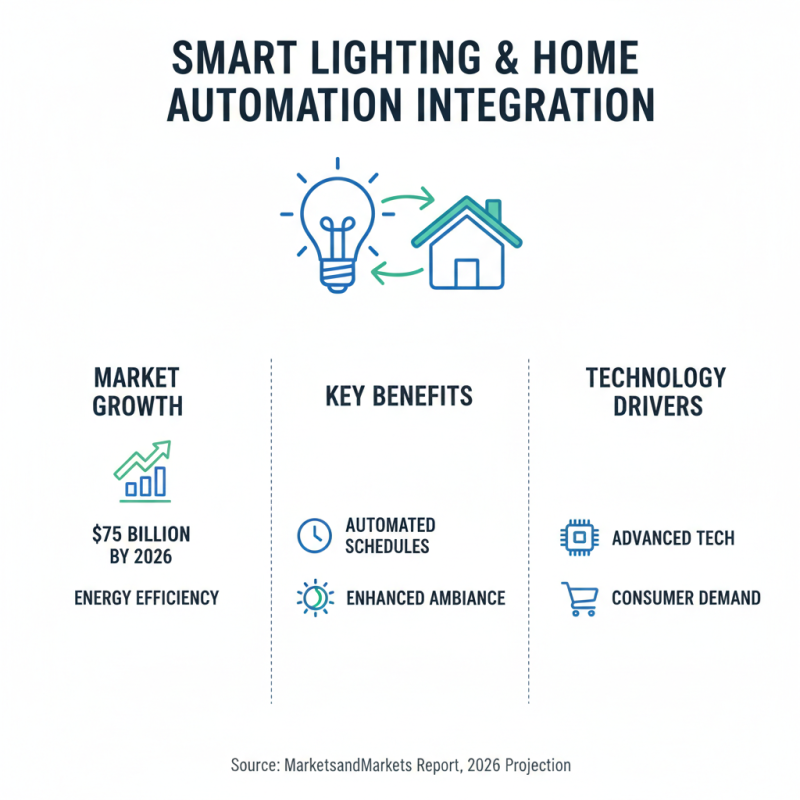
Smart lighting systems offer a unique opportunity to integrate with home automation, enhancing both convenience and ambiance. According to a recent report by MarketsandMarkets, the smart lighting market is projected to reach $75 billion by 2026, largely due to advancements in technology and consumer demand for energy-efficient solutions. When you combine smart lighting with home automation systems, the benefits become significant. For instance, you can program your lights to adjust automatically based on your daily schedule, saving energy and providing the right atmosphere for each moment.
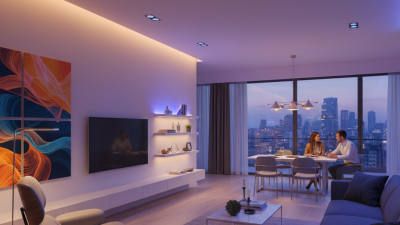
Homeowners can also create dynamic lighting scenes that adapt to various activities. For example, using smart bulbs, you can set your living room lights to a warm tone for a cozy movie night or to bright white for a productive work session. One interesting finding from the American Lighting Association indicates that well-designed lighting can boost productivity by as much as 20%. However, integration may present challenges. Some homeowners struggle with compatibility between devices or rely too heavily on scheduled automation without adapting to real-life changes.
In addition, reliance on technology can sometimes lead to frustration when systems do not work as intended. A survey from the Consumer Technology Association found that 30% of users experienced issues with installation or usage. Thus, while integrating smart lighting with home automation enhances spaces, a thoughtful approach is necessary to fully realize its potential.
Adjusting Lighting Scenes to Match Your Daily Activities
Creating a comfortable atmosphere in your home is essential for productivity and relaxation. Adjusting lighting scenes to align with your daily activities can significantly elevate your space. For instance, bright, cool light is ideal for working in the morning. It enhances focus and energy, making tasks feel less daunting. In contrast, softer, warm light is perfect for winding down in the evening, promoting a cozy vibe.
Tips: Consider using smart bulbs to adjust brightness throughout the day. Utilize timers or apps to automate transitions. This can help maintain an ideal environment with minimal effort. If you find certain spots in your home still feel off, experiment with colored lights. They can evoke different moods, whether it’s calming blue or stimulating yellow.
Lastly, reflect on how lighting affects your well-being. Are certain areas too dim or too harsh? It’s okay to make adjustments as you discover what feels best. Let your personal preferences guide your choices. A well-lit space not only enhances aesthetics but also nurtures a positive mindset.
Enhancing Energy Efficiency and Sustainability with Smart Lighting
Smart lighting plays a crucial role in enhancing energy efficiency and sustainability in our daily lives. By using LED bulbs, you can significantly reduce energy consumption compared to traditional incandescent lights. They last longer and produce less heat. This can lower your cooling costs in warm months. Integrating motion sensors avoids unnecessary energy use in less frequented areas, making your space more efficient.
Adjusting brightness levels also contributes to sustainability. Dim lighting during daytime can maintain ambiance while using less power. Smart systems allow you to program lights, turning them off when not needed. This not only conserves energy but also aligns with eco-friendly practices. Rethinking decorative lighting can improve your environment while being mindful of energy use.
However, the initial setup may present challenges. Understanding how to configure smart systems can be complex, and not everyone feels confident in these adjustments. Some users may struggle with maintaining consistency in their lighting preferences. It’s essential to find a balance that suits your lifestyle while considering energy efficiency. Embracing smart lighting requires patience and adaptation, but the long-term benefits can be worthwhile.
Energy Efficiency Comparison of Traditional vs. Smart Lighting
This chart compares the energy consumption of traditional lighting versus smart LED lighting. As shown, traditional lighting consumes significantly more energy, highlighting the benefits of switching to smart lighting solutions for improved energy efficiency and sustainability.