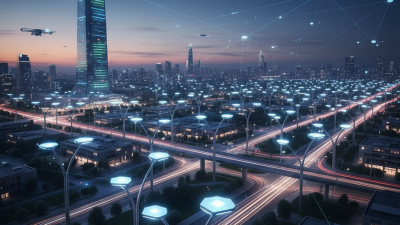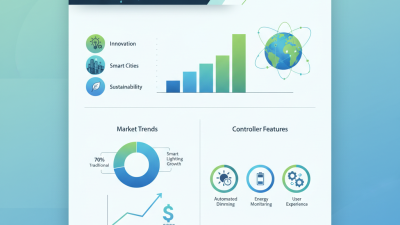
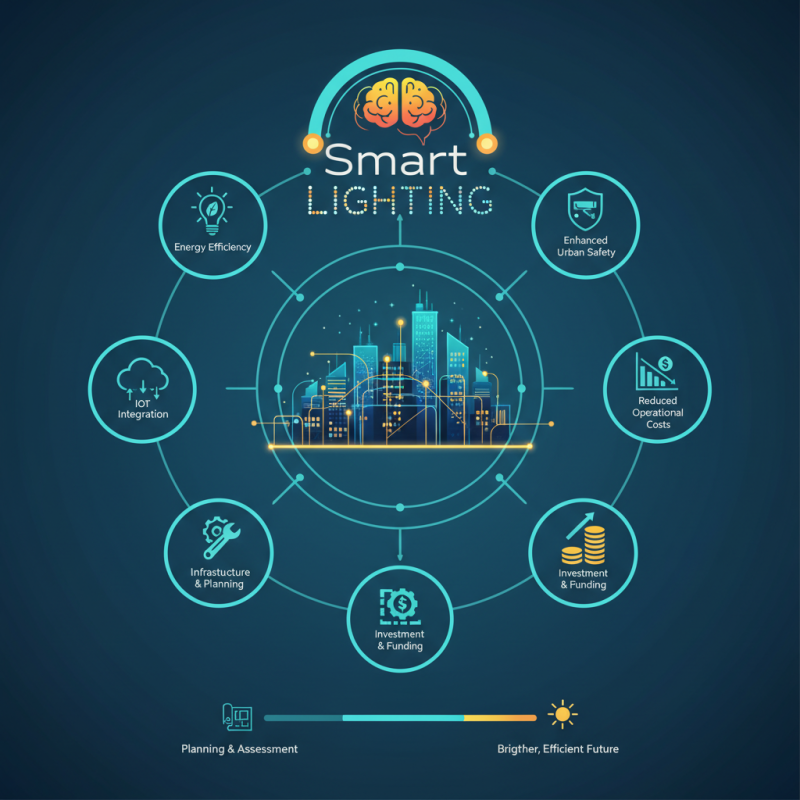
Smart City Lighting Solutions are essential in shaping modern urban landscapes. Cities across China are rapidly adopting these technologies. According to a report by MarketsandMarkets, the smart lighting market is projected to reach $30 billion by 2025. This growth is driven by the need for energy efficiency and enhanced urban safety.
In crucial areas, smart lighting systems integrate with IoT technologies. They offer real-time monitoring and adaptive brightness levels. These features not only reduce energy consumption but also significantly lower operational costs. For example, cities using smart streetlights have reported energy savings of up to 60%. However, despite these advancements, challenges remain in terms of infrastructure integration and funding.
Embracing Smart City Lighting Solutions requires careful planning and investment. Some urban planners face difficulties in choosing the right technology. An evidence-based approach is vital in overcoming these hurdles. Cities must assess their specific needs and potential return on investment. This level of scrutiny ensures successful implementation and contributes to a brighter, more efficient urban future.
The rise of innovative LED street lighting systems is transforming urban efficiency across China. Cities are increasingly adopting energy-efficient LED solutions, reducing energy consumption by up to 60%. This shift not only lowers electricity bills but also enhances the longevity of streetlights, often lasting up to 25 years. However, while the initial investment might be higher, the long-term savings are substantial.
Furthermore, smart lighting solutions are integrated with IoT technology, enabling real-time monitoring and data collection. According to a report by the International Energy Agency, smart lighting systems can yield an additional 30% energy savings through adaptive brightness. This creates a more responsive urban environment, tailored to pedestrian and vehicular traffic. But, challenges remain. Many cities struggle with the integration of these technologies due to outdated infrastructure. Additionally, there is a need for better collaboration among stakeholders to overcome these hurdles.
Urban landscapes are undeniably changing. The implementation of LED systems and smart technology brings both opportunities and challenges. A focused approach is necessary to truly maximize the potential of these advancements while addressing issues of accessibility and infrastructure compatibility.

Urban lighting has evolved dramatically in recent years, driven by smart control technologies. These innovations allow cities to adapt their lighting based on real-time data. Sensors detect human activity, weather conditions, and even pollution levels. This responsiveness not only enhances safety but also conserves energy and reduces costs.
Adaptive urban lighting solutions face challenges. Not all systems communicate seamlessly. Integration issues can lead to inefficiencies. Some cities may lack the infrastructure needed for these advanced technologies. Despite these hurdles, the potential for improving urban life is significant. Cities that embrace smart lighting can create vibrant and safe environments for residents and visitors alike. It is a journey requiring patience and ongoing refinement.
Local authorities must engage with communities to understand needs. User feedback is crucial for enhancing these systems. The engagement process can be slow and complex. However, it is vital to create effective and inclusive lighting solutions. In the end, a city’s approach to lighting reflects its commitment to sustainability and innovation.
| Solution | Type | Key Features | Benefits | Implementation Status |
|---|---|---|---|---|
| Adaptive Street Lighting | Smart Lighting | Automatic brightness adjustment based on pedestrian presence | Energy savings, enhanced safety | Pilot phase in major cities |
| Solar Street Lights | Renewable Energy | Self-sufficiency, no grid connection required | Cost-effective, low maintenance | Widespread adoption in rural areas |
| Smart Traffic Lights | Traffic Management | Real-time traffic monitoring and control | Reduced congestion, improved traffic flow | Implemented in several urban centers |
| Smart City Apps | Mobile Technology | User-friendly interface for lighting control | User engagement, instant feedback | In development, trials ongoing |
| Integrated Sensor Networks | IoT Technology | Pollution and traffic level monitoring | Data-driven urban planning | Partially implemented in select cities |
| Smart Pole Solutions | Multi-functional Lighting | Includes charging stations and Wi-Fi | Versatile urban infrastructure | Under implementation in tech hubs |
| Dynamic Color Lighting | Cultural Events | Change colors and patterns based on occasions | Boosts local tourism and ambiance | Implemented in tourist districts |
| Energy Management Systems | Efficiency Optimization | Data analytics for energy use | Reduces energy costs | Adoption in large municipalities |
| Remote Management Systems | Control Technology | Centralized monitoring and control | Improved maintenance response | Widespread usage in urban areas |
| Bicycle Path Lighting | Safety Enhancement | Specialized lighting for cyclists | Increased safety for cyclists | Designed in collaboration with urban planners |
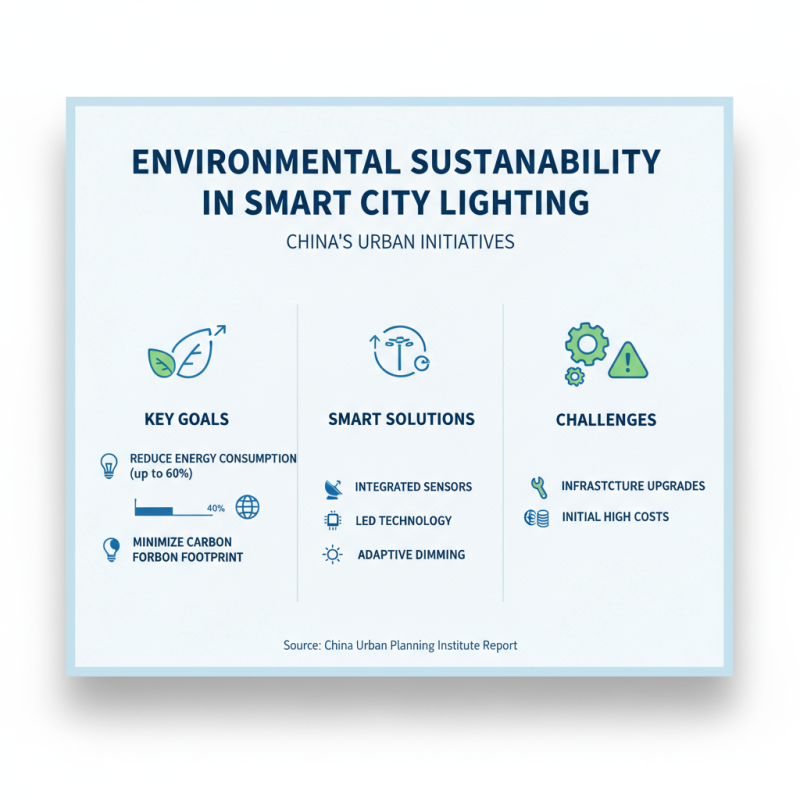
In recent years, urban areas in China have been integrating smart city lighting solutions that prioritize environmental sustainability. These technologies aim to reduce energy consumption and minimize carbon footprints. According to a report by the China Urban Planning Institute, smart streetlights can decrease energy use by up to 60%. However, the implementation often faces challenges related to infrastructure and initial costs.
Innovative solutions such as LED lighting systems are gaining traction. These systems not only use less energy but also offer longer lifespans than traditional lighting options. Research indicates that upgrading to LED can save municipalities millions in energy costs. Yet, cities must grapple with the e-waste generated from outdated systems. Finding a balance between modernization and environmental impact remains vital.
Smart lighting systems incorporate sensors to adapt to real-time conditions, further enhancing efficiency. For instance, adapting brightness based on pedestrian activity can optimize energy use without sacrificing safety. However, concerns arise about privacy with the data collected through smart technologies. The evolving landscape of smart city initiatives highlights the need for ongoing assessments in sustainability practices.
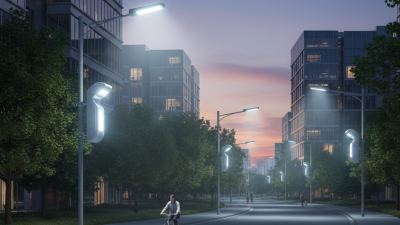
Urban lighting management is undergoing a transformation driven by Internet of Things (IoT) technology. Smart sensors and connected devices enhance energy efficiency in cities. These tools gather data on usage patterns, allowing municipalities to optimize lighting. For instance, streetlights can adjust brightness based on pedestrian activity. This adaptability enriches safety while conserving energy.
While IoT systems promise many benefits, challenges remain. Data privacy concerns often arise with extensive monitoring. Additionally, cities must invest in infrastructure upgrades, which can be costly. Some regions still lack connectivity, hindering the potential of smart lighting. Cities should prioritize equitable technology access to avoid creating digital divides.
Integrating IoT in urban lighting is not a one-size-fits-all solution. Tailoring approaches to local contexts is crucial. Some areas may require more extensive lighting networks, while others may need basic solutions. Overall, the potential for IoT in urban lighting is significant, but practical implementation requires careful consideration of various factors.
China's urban landscapes are undergoing significant transformations, largely due to innovative smart lighting solutions. These technologies not only enhance visibility but also improve energy efficiency. According to a report by the China Smart Lighting Association, cities implementing smart lighting saw energy savings of up to 30%. This reduction is vital as municipalities aim for sustainability.
Cities like Hangzhou and Shenzhen have successfully integrated smart lighting systems. In Hangzhou, a network of connected streetlights adjusts brightness based on pedestrian movement. This adaptability fosters both safety and energy conservation. In Shenzhen, intelligent lighting has been paired with pollution sensors, allowing lights to change intensity based on air quality levels. Such integrated systems offer a glimpse into the future of urban management.
However, challenges remain. In some areas, the deployment has been uneven. There are gaps in connectivity and data sharing. Additionally, not all citizens have embraced these changes. This ambivalence highlights the importance of community engagement in urban planning. Addressing these issues is key to unlocking the full potential of smart city lighting.