Leave Your Message

Top 10 Outdoor Lighting Control Systems for Smart Homes in 2026?

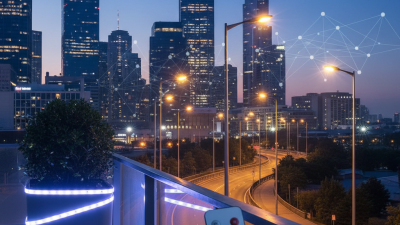
In 2026, the outdoor lighting control system is evolving rapidly. Homeowners now seek smarter solutions to enhance safety and ambiance. The integration of technology has transformed traditional lighting into smart outdoor systems that offer convenience and efficiency.

These systems provide options for remote control and automation, making outdoor spaces more versatile. By leveraging smart apps, users can adjust brightness and schedule lighting based on their needs. However, choices can be overwhelming with so many products available. It’s essential to understand which systems truly deliver on their promises.

Selecting the right outdoor lighting control system can require careful consideration. Not all systems are created equal, and some may fall short in reliability or ease of use. Evaluating product reviews and expert advice will be crucial for making informed decisions. In this guide, we explore the top ten outdoor lighting control systems, helping you navigate this exciting IoT-driven landscape.
Top 10 Outdoor Lighting Control Systems for Smart Homes in 2026?

Emerging Trends in Outdoor Lighting Control Systems for Smart Homes

The outdoor lighting control systems of the future are evolving rapidly. In 2026, new trends will likely center around user interaction and energy efficiency. Homeowners are drawn to customizable options that reflect their lifestyles. Intuitive apps will allow users to adjust settings from anywhere. This flexibility is becoming a crucial feature in smart home designs.

Wireless technology continues to play a significant role. Systems that integrate with existing security features are on the rise. Sensors that detect motion and ambient light will automatically adjust brightness levels. However, users often overlook maintenance needs. Regular updates and battery replacements are necessary for optimal performance. Finding the balance between automation and upkeep poses a challenge.

Sustainability is another significant trend. Eco-friendly options are prioritized by many consumers. Solar-powered lights are gaining attention, but they require adequate sunlight. Some installations might struggle in shaded areas. A thoughtful selection process is essential for effectiveness. As smart homes become more prevalent, these control systems will shape our outdoor environments in innovative ways.

Top 10 Outdoor Lighting Control Systems for Smart Homes in 2026

Features Compatibility Control Method Energy Efficiency Average Cost
Smart scheduling, motion sensors Compatible with Zigbee and Z-Wave devices Mobile app, voice control Up to 80% reduction in consumption $150
Dusk till dawn automation Works with various smart hubs Remote control and automation 50% more efficient than traditional $200
Adjustable brightness settings Compatible with Alexa and Google Home Voice commands Advanced energy-saving mode $175
Remote access and monitoring Works with HomeKit App-based control Optimized for solar integrations $120
Color changing capabilities Works with most smart devices Scheduled and triggered actions Smart power consumption analysis $250
Integration with security systems Supports multiple protocols Sensor-based and app control Reduces costs by 60% $230
Enhanced safety features Generic smart home support Manual and automatic options Up to 70% efficiency improvement $160
Customizable light scenes Integrates with all leading brands Voice and mobile control Energy usage reporting $140
Climate-responsive adjustments Compatible with existing setups Automated controls Sustainable lighting solutions $190
Enhanced user interface Works across all platforms Touch and voice control Increased user engagement $220

Key Features of Top Outdoor Lighting Control Systems in 2026

Outdoor lighting control systems are becoming essential for smart homes in 2026. These systems enhance both security and energy efficiency. According to a recent report by the Smart Home Market Analysis, over 60% of homes are expected to integrate automated lighting solutions within the next three years. This shift emphasizes the demand for systems that are not only easy to use but also customizable.

Key features of top outdoor lighting control systems include remote access, scheduling capabilities, and integration with smart home ecosystems. Remote access allows homeowners to manage lighting from anywhere. Scheduling helps in reducing energy costs by automating lights based on home occupancy. Integration with smart home systems ensures that lighting levels can adjust based on user preferences. Almost 40% of consumers now prioritize such features when selecting home automation products.

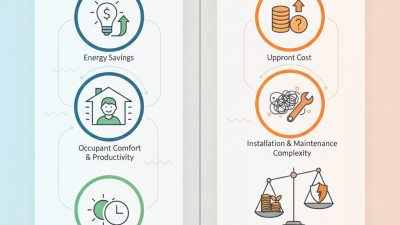
However, challenges remain. Compatibility issues with older systems can frustrate users. Many new systems require stable Wi-Fi connections, which may not be available in all outdoor areas. Additionally, the plethora of options can overwhelm consumers, leading to indecision. Reflecting on these factors is crucial to ensure that smart outdoor lighting systems can truly enhance quality of life while remaining user-friendly.

Comparative Analysis of Smart Lighting Control Technologies and Protocols

Top 10 Outdoor Lighting Control Systems for Smart Homes in 2026?

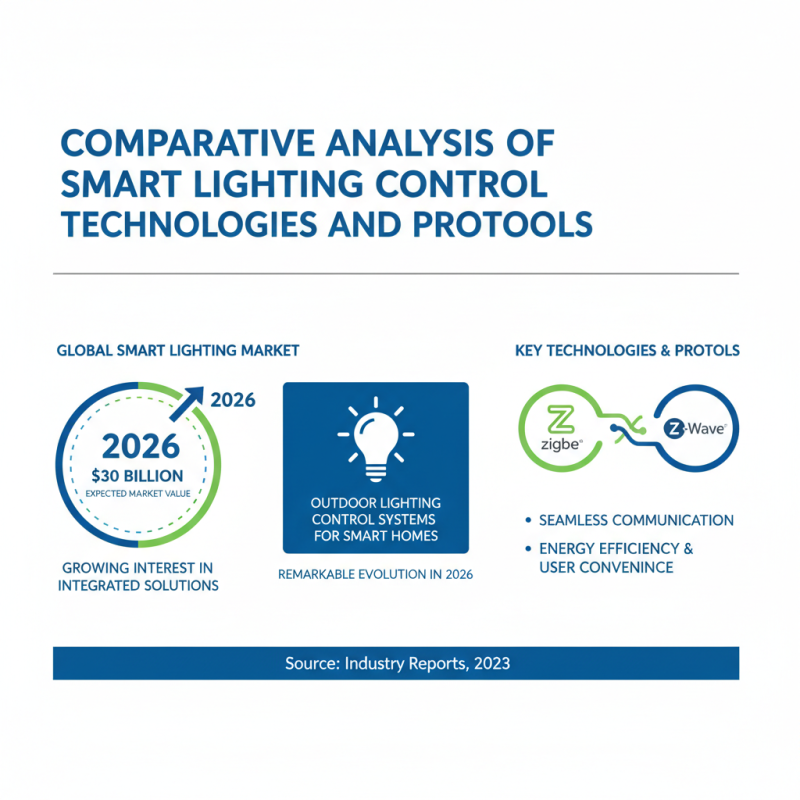
In 2026, outdoor lighting control systems for smart homes will show a remarkable evolution. Recent industry reports reveal that the global smart lighting market is expected to reach $30 billion by 2026, showcasing a growing interest in integrated solutions. Lighting control technologies, including protocols like Zigbee and Z-Wave, enable seamless communication between devices, promoting energy efficiency and user convenience.

The comparative analysis of these technologies reveals significant differences. Zigbee offers a low-power solution perfect for battery-operated devices. On the other hand, Z-Wave excels in longer-range applications yet may consume more power. This balance between efficiency and functionality remains a challenge for consumers and professionals alike. The need for reliable interoperability between protocols is essential. According to a 2023 study, over 45% of users reported frustrations with compatibility issues in their smart home ecosystems.

Furthermore, advances in AI-driven systems promise intelligent adjustments based on user patterns. However, these technologies also raise concerns about privacy and security. As smart homes become commonplace, a deeper understanding of protocol advantages and limitations will be vital for informed decision-making. The industry's path forward lies in bridging technology with user needs, ensuring a robust, user-centric outdoor lighting experience.

Impact of Energy Efficiency Regulations on Outdoor Lighting Systems

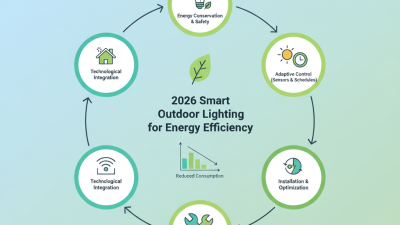
Outdoor lighting control systems are evolving rapidly, particularly with the influence of energy efficiency regulations. As these regulations become stricter, smart homes must adapt. Such systems allow homeowners to manage energy consumption effectively while ensuring adequate lighting. Compliance with these regulations can lead to significant cost savings in energy bills and a reduced carbon footprint.

Tips: Consider using motion sensors for your outdoor lights. They can help reduce energy waste by ensuring lights are only on when needed. Dimming options can also contribute to energy savings.

It's essential to stay informed about local regulations and guidelines. Understanding the requirements can prevent fines and encourage sustainable practices. However, balancing aesthetics and functionality can be challenging. Strive for a design that meets regulatory standards while enhancing the beauty of your outdoor spaces.

Tips: Explore LED alternatives for outdoor lighting. These bulbs consume less energy and last longer, making them a wise investment. Regular maintenance of your lighting systems also ensures optimal operation.

Outdoor Lighting Control Systems Energy Efficiency 2026

Market Growth and Forecast for Smart Lighting Solutions by 2026

Top 10 Outdoor Lighting Control Systems for Smart Homes in 2026?

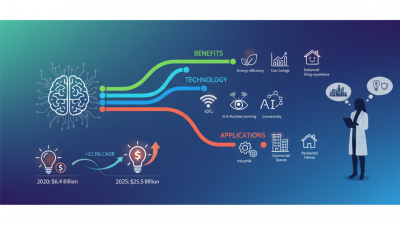
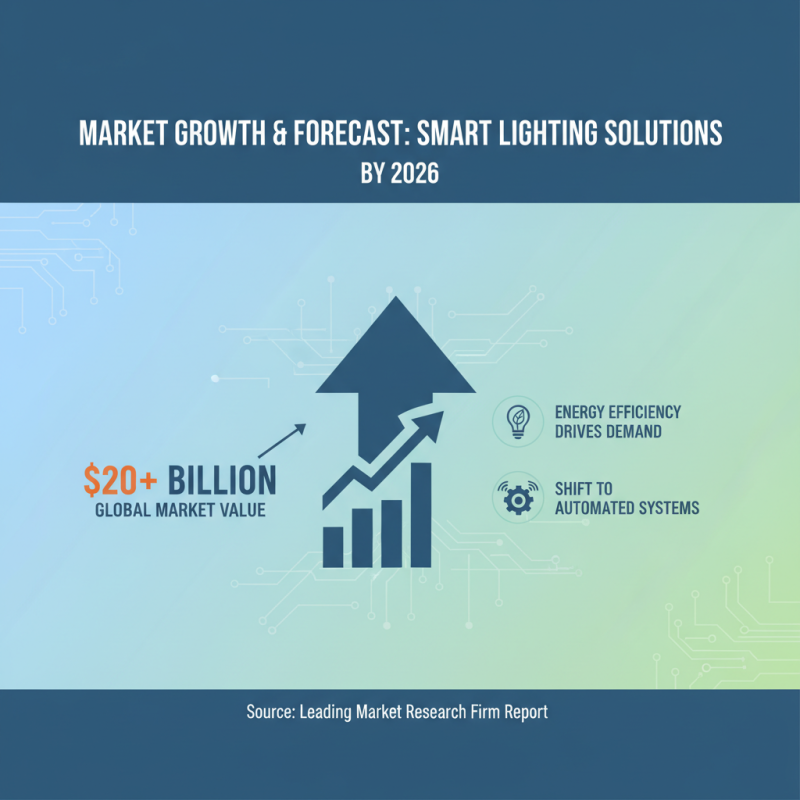
The smart lighting market is expected to grow significantly by 2026. Increasing demand for energy-efficient solutions drives this trend. A report from a leading market research firm indicates that the smart lighting segment will exceed $20 billion globally by the end of this period. This rapid expansion highlights a shift in consumer preferences toward more automated and responsive lighting systems.

Outdoor lighting control systems play a vital role in this evolution. Many homeowners seek systems that adapt to their needs, providing both convenience and safety. Reports suggest that about 50% of smart home users are looking for better outdoor solutions. Features like motion sensors and programmable schedules enhance usability. Despite the available options, some users still find integration and compatibility issues challenging. This indicates a need for more standardized protocols across devices.

As the market matures, users will demand more reliable systems. Issues related to connectivity and user interface remain common frustrations. Developers must address these concerns to enhance user experience. While the future looks promising, the path to flawless performance is still under construction. Continued innovation will be essential to meet evolving consumer expectations.