How to Choose the Best Smart Led Panel for Your Needs?
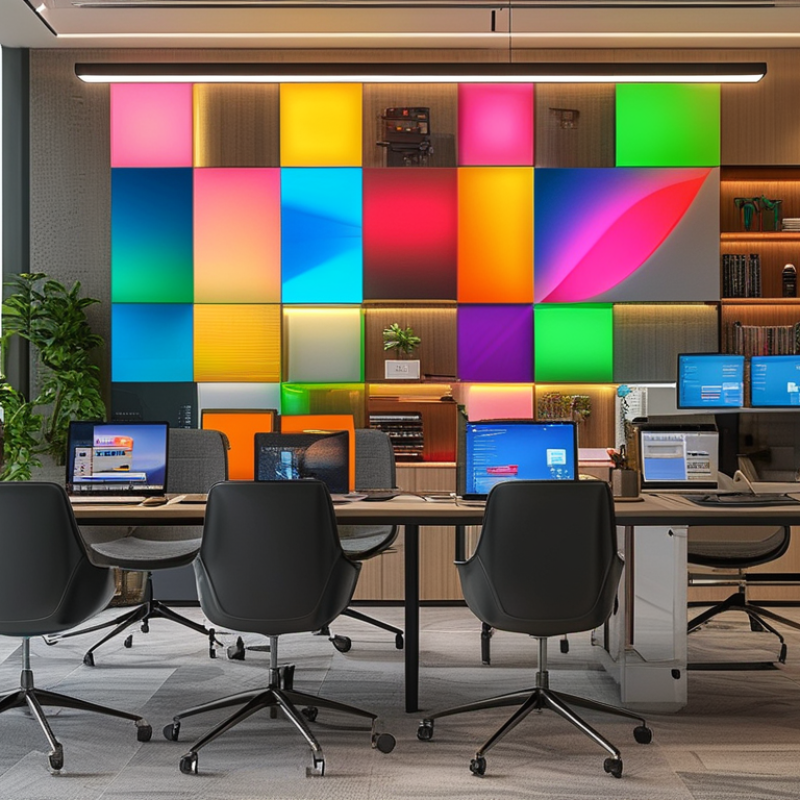
Choosing the right Smart Led Panel for your space can be challenging. With many options available, it's essential to understand your needs. Different panels serve various purposes and enhance ambiance uniquely.
Consider factors like brightness, color temperature, and smart features. A panel designed for productivity differs from one ideal for relaxation. Features should align with your lifestyle. Look for user reviews and expert opinions to gauge reliability.
Reflecting on your preferences is important. Do you need a smart panel that integrates with your home system? Will it be used for work or leisure? Balancing your requirements against your budget will guide your choice. Take your time. A well-informed decision pays off.
Understanding Smart LED Panels: Features and Benefits
Smart LED panels have gained significant attention due to their versatility and energy efficiency. These panels can serve various purposes in both residential and commercial settings. According to industry research by MarketsandMarkets, the smart lighting market is projected to grow to $75.8 billion by 2026. This rapid growth highlights the importance of understanding smart LED panels' features and benefits to make informed choices.
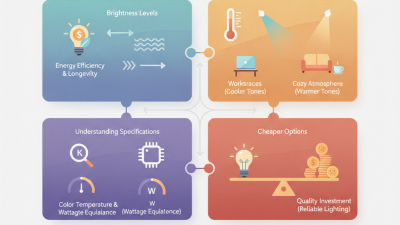
One crucial aspect is their ability to offer customizable lighting options. Many smart panels allow users to adjust brightness and color temperature. This feature can significantly enhance mood and productivity. For example, studies show that cooler light can increase focus, while warmer tones can create a relaxing atmosphere. Nevertheless, not all panels deliver on these functions equally. Users should carefully review specifications and consumer feedback to identify reliable options.
Energy efficiency is another compelling reason to consider smart LED panels. They consume significantly less power than traditional lighting solutions, as outlined by the U.S. Department of Energy, which estimates that LEDs use at least 75% less energy. However, the upfront cost can be daunting, leading to hesitation among potential buyers. Balancing initial investment with long-term savings is essential for making a wise purchase decision.
Assessing Your Space: Size and Brightness Requirements
When choosing a smart LED panel, understanding your space is crucial. The size of the room dictates the panel size. A small room does not require a large panel. Conversely, a spacious area might need bigger options to ensure even light distribution. Measure your space carefully before making a decision.
Brightness is another essential factor. Consider how much natural light enters your room. A well-lit space can handle lower brightness. In contrast, darker spaces often require panels with higher lumens. Keep in mind that too bright a light can strain your eyes over time.
Tip: Test brightness levels before purchasing. Use adjustable panels to find what works best.
Another point to reflect on is how different activities require varying levels of brightness. For example, a workspace might need bright overhead lighting. A cozy reading nook benefits from softer, ambient lighting. Adapt your lighting to your needs for better comfort and productivity.
Tip: Think about dimmability. It adds versatility to your smart LED panel.
Evaluating Smart Features: Compatibility and Control Options
When choosing a smart LED panel, evaluating its compatibility and control options is crucial. Compatibility with existing smart home systems is key to seamless integration. Check if the panel works with popular protocols like Wi-Fi, Zigbee, or Bluetooth. A panel that effortlessly connects to your devices offers convenience. Misunderstandings happen when a product claims compatibility, but it doesn’t support your setup.
Control options are just as important. Voice control features can enhance user experience. However, not all features work well with every assistant. Some panels may lack intuitive apps, making control tricky. Look for user-friendly interfaces. Remote operation should include easy access to functions such as dimming and color changes. A frustrating app can lead to less frequent usage, undermining the benefits of owning a smart panel.
Consider future updates too. Will the panel receive firmware upgrades? Outdated software can limit features over time. Check reviews and forums to gauge user experiences. Remember, a device should evolve with technology. Before your final decision, ensure the smart LED panel aligns with your lifestyle and preferences. It’s easy to get swayed by excellent marketing, but practical evaluations can guide you towards a truly satisfying choice.
How to Choose the Best Smart Led Panel for Your Needs? - Evaluating Smart Features: Compatibility and Control Options
| Feature |
Description |
Compatibility |
Control Options |
| Wi-Fi Connectivity |
Connect to home Wi-Fi for remote access and controls. |
iOS & Android Devices |
Mobile App Control, Voice Control via Smart Assistants |
| Smartphone Control |
Control brightness, colors, and settings through smartphone apps. |
Compatible with iOS & Android |
App-Based Control |
| Voice Control |
Use voice commands to adjust lighting settings. |
Amazon Alexa, Google Assistant |
Voice Activation |
| Color Changing |
Choose from millions of colors for ambiance adjustment. |
All Smart Devices |
App & Voice Control |
| Scheduling |
Set schedules for lights to turn on/off at specific times. |
Multiple Platforms |
Automated through Apps |
Comparing Energy Efficiency and Cost-Effectiveness
When selecting a smart LED panel, energy efficiency and cost-effectiveness are crucial factors. A report by the U.S. Department of Energy indicates that LED lighting can offer up to 80% energy savings compared to traditional incandescent bulbs. This significant reduction in energy consumption translates to lower electricity bills over time. For instance, a standard 60-watt bulb may cost around $7 annually in energy, while an equivalent LED panel costs just $1. The long lifespan of LED panels, estimated at 25,000 hours, further contributes to reduced costs, minimizing replacement frequency.
However, while energy savings are an enticing feature, the initial investment can vary widely. Some panels come with a higher upfront cost but promise lower long-term expenses. A study from the International Energy Agency emphasizes that choosing the right panel involves assessing overall lifecycle costs. Make sure to consider not just the purchase price, but also potential savings on energy bills.
On the downside, not all smart LED panels are created equal. Some cheaper models may compromise on brightness or color quality. Reports have shown that inconsistencies in quality can lead to dissatisfaction. Users often express concerns regarding compatibility with smart home systems. Evaluating these aspects is essential to prevent regret later on. Investing in quality often pays off in resilience and functionality.
Choosing Aesthetics: Design and Installation Considerations
When selecting a smart LED panel, aesthetics are key. The design should complement your space. Consider your room's color scheme and furniture style. A sleek panel can blend seamlessly with modern decor, while a retro-inspired design may suit a vintage setting. Pay attention to size. A large panel can dominate a small room, while a smaller one might get lost in a bigger space. Measure your walls before making a decision.
Installation is another crucial factor. Some panels are easy to mount, while others require professional help. Assess your skills and resources before committing. You want the installation to match your aesthetic vision, not detract from it. Lighting positions matter too. Think about where the light will be most effective in your room.
It’s easy to get lost in choices. Oversaturation of options can lead to confusion. Take time to reflect on what suits your space truly. Gathering ideas from various sources may help clarify your vision. Consider how each choice influences the overall ambiance. In the end, a smart LED panel should enhance your environment, not complicate it.
Comparison of Smart LED Panel Features