Top 10 Tips for Choosing the Right Zhaga Controller?
Choosing the right Zhaga Controller can be a daunting task. The variety of options can lead to confusion. Each controller has its own features, which can significantly impact the overall performance of your lighting system. Understanding what to look for is essential for making a well-informed decision.
Many professionals struggle with identifying the best Zhaga Controller that fits their needs. Factors like compatibility, efficiency, and control options play crucial roles. Missteps in choices can lead to inefficient systems or unplanned expenses. It’s important to evaluate your specific requirements carefully.
In this guide, you'll discover ten vital tips that will steer you toward the right Zhaga Controller. These insights draw from industry expertise and practical experiences. By focusing on essential considerations, you can ensure optimal performance and reliability in your lighting solutions. Each tip aims to enhance your selection process, making it easier and more effective.
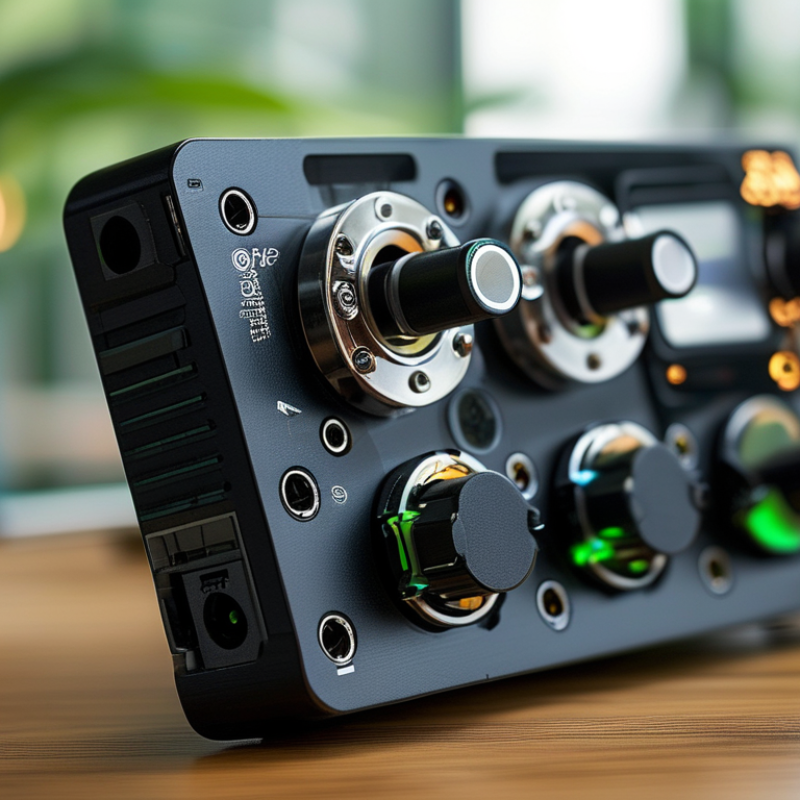
Understanding the Basics of Zhaga Controllers and Their Functions
When selecting a Zhaga controller, it's essential to understand its core functions.
Zhaga controllers are specifically designed for connecting LED light sources. They regulate the power supply and optimize lighting performance.
Each controller has unique features, making it crucial to evaluate them based on your project's requirements.
Different controllers may support various protocols like DALI or 0-10V.
Not all controllers are compatible with every LED fixture.
Inadequate compatibility can lead to poor performance or even system failure.
Therefore, always check specifications carefully.
Consider factors like dimming capabilities and energy efficiency as well.
Pay attention to user reviews and expert insights. They provide valuable information about reliability and performance.
Sometimes, the best choice isn't the most expensive one.
Affordable options can meet standard needs efficiently.
Be open to experimenting with different models.
Trial and error can lead you to the ideal solution for your lighting project.
Evaluating Compatibility with Existing Lighting Solutions
When choosing a Zhaga controller, evaluating compatibility with existing lighting solutions is crucial. Understanding how the controller will integrate with your current system helps avoid potential issues. Each lighting setup has unique requirements regarding power, control signals, and communication protocols. Knowing these details enables informed choices.
Consider the type of light fixtures already in use. A controller must support compatible voltage levels and communication methods. Some fixtures operate on low voltage, while others require higher levels. Any mismatch can result in inefficiencies or, worse, equipment damage. Always verify the specifications.
It's essential to ask the right questions. Is the controller's firmware capable of adapting to your needs? Will it support future upgrades? Some systems lack flexibility, making them outdated quickly. Reflect on how your lighting strategy may evolve to ensure longevity and satisfaction. Compatibility isn't just a technical detail; it can determine the success of your lighting project.
Assessing Performance Features for Energy Efficiency
When selecting a Zhaga controller, performance features related to energy efficiency are crucial. Recent reports indicate that up to 30% of energy is wasted in inefficient lighting systems. A well-chosen controller can significantly reduce this waste by optimizing the power usage of LED fixtures. Consider specifications like dimming capabilities. Dimming not only enhances ambiance but also conserves energy, leading to lower operational costs.
Look for controllers that offer real-time monitoring. These systems can provide insights on energy consumption. Such data is essential for informed decision-making. Studies show that proper monitoring can save organizations as much as 20% on energy costs annually. Ensure the controller can easily integrate with existing systems. Compatibility can enhance overall efficiency and reduce future expenses.
Additionally, verify the controller’s capacity to manage multiple fixtures. A controller that can operate several lights simultaneously improves your overall setup. It allows better synchronization, which can lead to energy savings. Proper assessments and choices will lead to better performance. Adaptability matters. Without it, you might find your system lacking long-term effectiveness. Aim for solutions that evolve with technology.
Analyzing Control Options: Wired vs. Wireless Controllers
When selecting a Zhaga controller, understanding the control options is crucial. Wired and wireless controllers each have unique benefits and drawbacks. According to industry reports, wired controllers often provide enhanced reliability. They are less susceptible to interference, making them ideal for high-stakes environments. The connection remains stable, ensuring consistent performance.
Conversely, wireless controllers offer flexibility. A recent survey revealed that 65% of users prefer wireless due to ease of installation. This offers considerable savings on labor costs. However, wireless systems can face challenges like signal interference. Indoor environments with many large obstacles could lead to communication issues, impacting functionality.
Moreover, a significant consideration is energy efficiency. Wired controllers usually consume less power. Reports indicate that they can lead to lower operational costs over time. Wireless controllers, despite advancements, may use more energy due to the need for battery power. Users must weigh these factors based on specific project requirements and long-term goals. Finding the right balance between reliability and flexibility remains a critical aspect of controller selection.
Considering Future Expansion and Scalability of the System
When choosing a Zhaga controller, considering future expansion is crucial. You need a system that can grow with your needs. Look for features that allow integration with additional devices. Scalability ensures that your investment remains valuable over time.
One tip is to assess modular designs. These designs make it easier to add or upgrade components. Flexibility in features can save time and costs in the long run. Evaluate different controllers based on how easily they connect to additional systems.
Another consideration is compatibility. Ensure the controller works with various lighting and sensor products. This can enhance adaptability and prevent obsolescence. Beyond immediate needs, think about potential expansions. Systems that facilitate future upgrades are often more effective and worthwhile.