Choosing the best Zhaga Controller in 2026 is less about finding a single winner and more about matching a control node to a specific streetlight, network, and maintenance plan. Zhaga Book 18-compatible devices can connect through a standardized outdoor luminaire interface, but compatibility still deserves careful checking. The socket, electrical requirements, dimming method, and controller documentation should all align. A familiar connector is not a guarantee of a trouble-free installation.
Look closely at real operating details. Can crews replace a node from a lift without rewiring the luminaire? Does the controller report energy use, faults, or outages clearly? How does it behave when wireless coverage drops? These questions matter on a rainy night, not just in a product table. Certifications, environmental ratings, cybersecurity practices, software support, and warranty terms also help distinguish robust products from attractive specifications. Ask vendors for evidence from comparable installations, and verify which features require a subscription or gateway. Small print matters.
This guide compares leading options by compatibility, connectivity, control features, ease of commissioning, and long-term support. It also considers where each type may fall short, because no controller suits every city or project. Some buyers will value simple local control; others need remote monitoring across many luminaires. There is no perfect shortlist. The best Zhaga Controller is the one that works reliably with the chosen lighting system and remains practical to manage years later. A little skepticism helps.
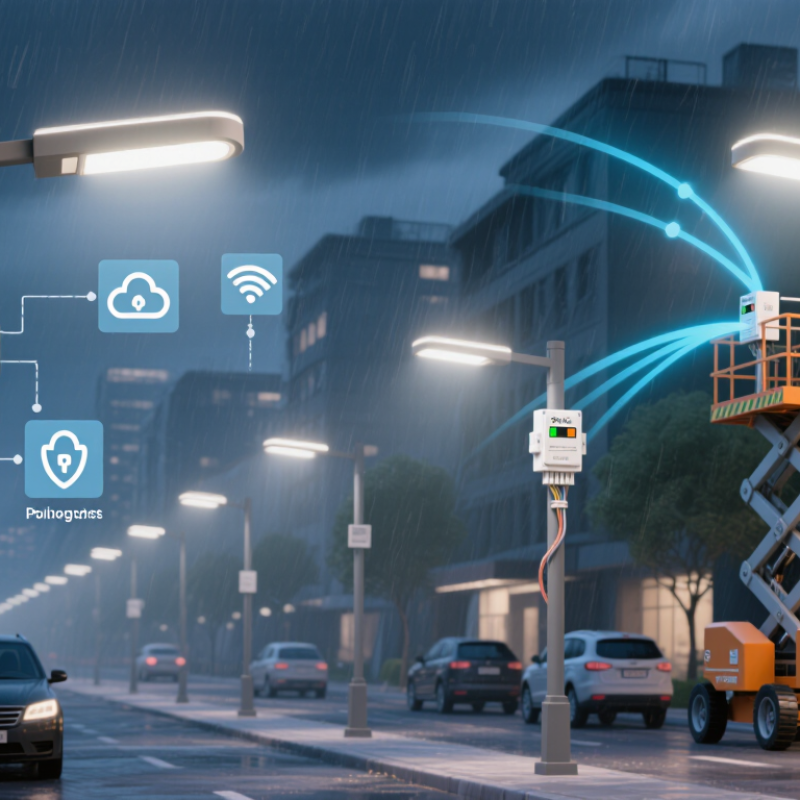
A Zhaga controller connects a smart-lighting node to a compatible luminaire through a defined interface. In outdoor lighting, the Zhaga Book 18 socket commonly supports communication between the controller and the fixture. The socket can also provide power, so a technician can attach or replace a node without rewiring the luminaire. Small detail. It can save time on a lift beside a busy road.
The controller may schedule dimming, respond to daylight or motion sensors, and report operating data to a management system. These functions help operators adjust light levels and spot faults, but performance depends on the whole system. Check the socket, driver, communication protocol, and controller profile for compatibility. A familiar connector does not guarantee that every feature will work across different equipment.
For 2026, a suitable controller should match the site’s needs: reliable communication, practical commissioning, and enough data for maintenance teams. Ask how it behaves when the network drops. Does local dimming continue? How easily can staff replace a failed node? These details matter more than a long feature list. Field conditions can still surprise even a carefully specified project.
A useful comparison starts with the Zhaga interface, not the feature list. Check that the controller matches the luminaire’s socket, electrical limits, and communication requirements. A physically compatible unit may still lack the functions your project needs. Details matter.
Next, assess control performance and commissioning. Look for dependable dimming, clear status reporting, and practical configuration tools. If the system uses sensors, check how it responds to motion, daylight, and changing schedules. Test it outdoors. Real streets reveal timing and coverage problems that a bench test can miss. Also review cybersecurity provisions, firmware update methods, and how access is managed over the controller’s service life.
Environmental durability deserves equal attention. Compare ingress protection, operating-temperature range, UV resistance, and connector sealing against the actual installation conditions. Ask for relevant test documentation, rather than relying only on headline specifications. Consider energy use, warranty terms, spare availability, and replacement procedures; maintenance crews need to swap a unit without lengthy troubleshooting. One criterion is easy to overlook: interoperability with the wider lighting system. Confirm supported protocols and test a small group of luminaires before scaling up. Specifications help narrow choices, but they do not replace field trials. A tidy data sheet can still leave unanswered questions.
The best Zhaga controller depends on what the site needs to sense and manage. A Zhaga Book 18 socket supports interoperable outdoor nodes, including photocell, motion-sensing, and networked controllers. A photocell node suits roads or parking areas that need dusk-to-dawn switching with minimal configuration. Motion-sensing controllers fit low-traffic streets, where light levels can rise when pedestrians or vehicles approach. Keep it simple. A networked controller is better for large districts that need remote scheduling, fault alerts, or grouped dimming. Its value depends on reliable communications and useful operating data, not connectivity alone.
For application fit, match the controller to the pole spacing, ambient light, traffic pattern, and maintenance plan. A photocell may be enough for a quiet access road. A motion sensor can help reduce output during empty hours, but poor placement may create dark gaps or trigger needless increases. Placement matters. Pacific Northwest National Laboratory’s field-study review of networked lighting controls reported average lighting-energy savings of about 47% across studied projects. That figure is a reference point, not a guaranteed result for every Zhaga installation; operating schedules and baseline lighting strongly affect savings. For municipal corridors, consider networked nodes where crews need fault visibility and consistent dimming. For isolated sites, a simpler sensor may be easier to maintain. Control features can look impressive on a specification sheet, yet add little when nobody uses the data.
The best Zhaga controller in 2026 is not simply the one with the longest feature list. Its performance depends on whether its connector, electrical interface, and control profile match the luminaire. Zhaga Book 18 defines an outdoor node interface, but sockets and available functions still require verification. Dimming may use DALI-based control, while sensing, metering, and network options vary. A mismatch can leave a controller powered but unable to perform as expected.
Tips: Check the luminaire’s socket and interface documentation before ordering. Confirm supported control commands, sensor inputs, and commissioning methods. Small details matter.
For reliable operation, compare more than connectivity. Check standby power, operating temperature, enclosure sealing, and how firmware updates are handled. In a street trial, note whether lights respond consistently at dusk and after dimming commands; intermittent delays are easy to miss in a specification sheet. More features can help, but they may also increase setup time or create functions the project never uses. Not always an upgrade. A simpler, compatible controller may be the more dependable choice, though compatibility claims should be confirmed against the exact luminaire configuration.
Choosing the right Zhaga controller starts with the luminaire, not the feature list. Check that the socket, electrical interface, and controller are designed to work together. Similar-looking parts may not offer the same functions. Confirm dimming requirements, control protocols, and available power before comparing models. Small details matter.
Think about the site, too. A quiet pedestrian path may need different sensing and dimming behavior than a busy road. Ask whether the project needs remote monitoring, motion response, or simple scheduled control. Then check how installers will commission and replace each unit. Clear documentation saves time on a ladder. It really does.
Environmental conditions deserve a close look. Heat, moisture, vibration, and direct exposure can affect long-term performance, even when a controller meets basic specifications. Request test information and verify compatibility with the actual luminaire configuration. If possible, pilot a few units in representative locations before scaling up. A pilot adds effort. But it can reveal confusing setup steps or inconsistent behavior that a product sheet misses. There is no perfect choice for every project; weigh current needs against maintenance capacity and future expansion, and record the assumptions behind that decision.
| Controller Type | Typical Control Method | Communication | Typical Functions | Best Suited For | Main Advantages | Trade-Offs to Consider | Compatibility Checks |
|---|---|---|---|---|---|---|---|
| Photocell controller | Switches or dims lighting in response to ambient light levels. | Standalone operation; some versions can also communicate with a management system. | Dusk-to-dawn control, daylight threshold settings, and—in some models—scheduled dimming. | Roads, car parks, and outdoor areas needing simple automatic operation. | Simple to deploy and does not require a wide-area communications network. | Provides limited remote monitoring or coordination when used as a standalone device. | Confirm the node and luminaire use a compatible Zhaga Book 18 interface and that the controller’s operating mode matches the lighting system. |
| Time-clock or astronomical controller | Runs preconfigured schedules, which may use location-based sunrise and sunset calculations. | Standalone scheduling or network-connected configuration, depending on the model. | Calendar-based switching, seasonal schedules, and programmed dimming profiles. | Installations with predictable operating hours and limited need for real-time sensing. | Schedules can reduce operating hours or output without requiring occupancy sensors. | Schedules may not respond to unexpected local conditions unless additional sensing or remote control is provided. | Check scheduling and clock configuration options, power-loss behavior, and whether remote updates are available if needed. |
| Wireless mesh controller | Controls individual luminaires and exchanges data with nearby network nodes. | Short-range wireless mesh; the radio protocol and gateway requirements vary by system. | Remote dimming, group control, status reporting, and—where supported—fault alerts. | Street-lighting projects that need coordinated control across multiple luminaires. | Can support area-wide management without requiring a separate wired data connection to every luminaire. | Coverage, network reliability, cybersecurity, and ongoing platform requirements should be evaluated for the site. | Confirm the controller, gateway, software, and network protocol are interoperable; check Zhaga and D4i claims against current certification records. |
| Cellular-connected controller | Uses a wide-area mobile connection for individual or group management. | Cellular connection; coverage and supported network technologies depend on the location and device. | Remote configuration, operational status reporting, and alerts, subject to the connected service. | Distributed assets or sites where local network infrastructure is unavailable or impractical. | Can connect geographically separated luminaires without building a local mesh network. | Check coverage, subscription or service costs, data security, and the availability of the chosen mobile network over the project lifetime. | Verify local network support, antenna placement, system service requirements, and compatibility with the luminaire receptacle and control gear. |
| Sensor-rich adaptive controller | Adjusts lighting using inputs such as motion, ambient light, or environmental measurements, when included. | Standalone sensing, wired control, wireless networking, or a combination, depending on configuration. | Occupancy-responsive dimming, daylight response, and optional remote monitoring. | Pedestrian areas, campuses, and sites where lighting demand varies by time or activity. | Can tailor output to observed conditions rather than relying only on fixed schedules. | Sensor placement, detection zones, commissioning, and local lighting requirements affect performance. | Confirm which sensors are actually integrated, how they are configured, and whether the complete node-luminaire combination is certified and supported. |
Selection note: Zhaga Book 18 defines an interface for outdoor luminaires and sensing or communication nodes. Zhaga-D4i combines the relevant Zhaga interface requirements with D4i requirements; compatibility should be verified for the complete luminaire, controller, and control-gear combination. Feature availability varies by device and system, so check current certification records and technical datasheets before specifying equipment.