How to Choose the Best Smart Light for Your Home?
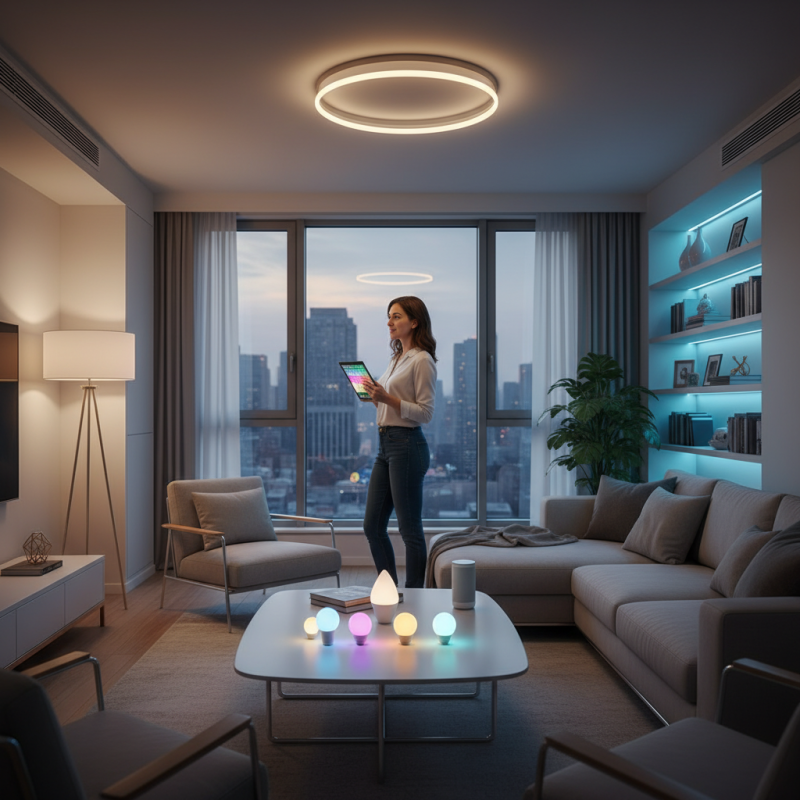
Choosing the right Smart Light for your home can be daunting. With so many options available, understanding what suits your needs is crucial. Lighting expert Dr. Emily Harper states, “The perfect Smart Light should fit seamlessly into your lifestyle.”
Home lighting has evolved significantly. Smart Lights offer convenience, energy efficiency, and an ambiance that traditional bulbs can't match. However, not every product on the market is created equal. Some may lack essential features or compatibility with popular smart home systems.
When selecting a Smart Light, consider your home's layout and your family's routines. Brightness, color temperature, and control options matter. It's not just about aesthetics; functionality is key. Failing to reflect on these aspects can lead to dissatisfaction later. Aim to find a balance between style and performance for the best results.
Understanding Smart Lighting Technology and Its Benefits
Smart lighting technology has transformed how we interact with our home environment. This innovation allows you to control the ambiance with just a few taps on your smartphone. By harnessing wireless technology, smart lights can change colors, dim, and even sync with music rhythms. This flexibility enhances personal comfort and creativity in living spaces.
One significant benefit of smart lighting is energy efficiency. Smart bulbs use less electricity than traditional ones. They can automatically turn off when no one is present in a room. However, it's essential to consider data privacy. Some systems require constant internet connections, which can raise security concerns. Users should regularly update their systems to safeguard personal information.
Understanding smart lighting is crucial for making informed decisions. Many options are available, each with its unique features. Research is necessary to find what fits your lifestyle best. Compatibility with existing home technology is another factor to ponder. Embracing smart lighting can lead to significant lifestyle changes, both positively and negatively. There’s much to explore in this exciting field.
Smart Lighting Technology Adoption by Homeowners (2023)
This chart illustrates the key benefits of smart lighting technology as perceived by homeowners in 2023. The most significant benefit identified is energy efficiency, followed by control flexibility and cost savings.
Key Features to Consider When Choosing Smart Lights
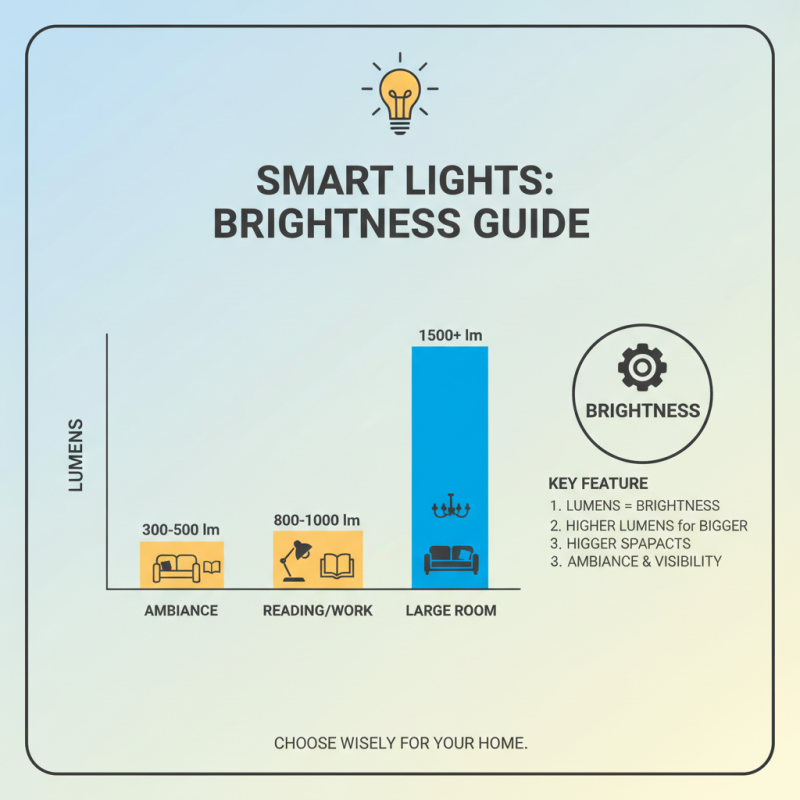
Choosing the right smart light for your home can be daunting. However, understanding key features makes the process manageable. One important aspect is brightness. Consider how bright you want your space. Smart lights come in various lumens, impacting ambiance and visibility. For larger areas, higher lumens are essential to achieve proper lighting.
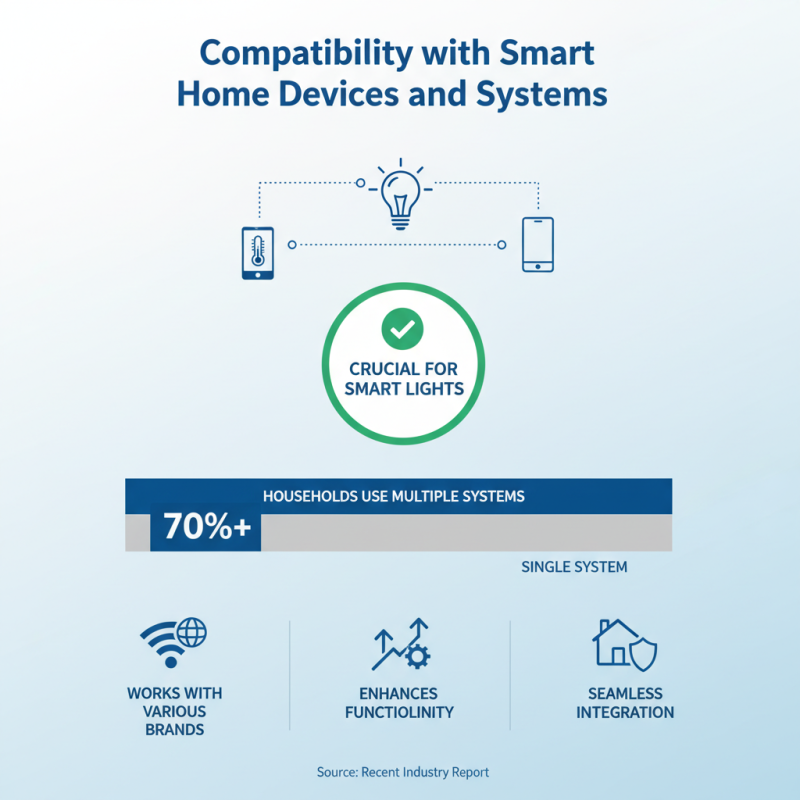
Another significant feature is color temperature. It ranges from warm white to cool daylight. Warm tones create a cozy atmosphere, while cooler tones work well in workspaces. Adjusting these settings can influence your mood. Additionally, compatibility with your home automation system is crucial. Ensure the light integrates with your existing devices for seamless control.
Don’t overlook energy efficiency. Look for smart lights that offer longer lifespans and lower energy consumption. This can save you money in the long run. Think about smart features, like scheduling and remote access. These can enhance convenience but may not always be necessary. Reflecting on your lifestyle can help determine what features are genuinely beneficial.
Different Types of Smart Lights and Their Applications
Smart lighting has transformed how we illuminate our homes. Understanding the different types of smart lights is crucial for making informed choices. LED smart bulbs are popular for their energy efficiency, lasting up to 25,000 hours, far exceeding traditional bulbs. According to a report by the U.S. Department of Energy, smart LEDs can reduce energy consumption by 75%. They adjust brightness based on ambient light, creating optimal conditions throughout the day.
Smart light strips are versatile and stylish. They can be used for accent lighting in kitchens, bedrooms, or home theaters. These strips are known for their color-changing capabilities. A survey from Statista shows that 45% of users appreciate the customizable ambiance they create. However, installation can be tricky and may require additional tools.
Smart lamps provide portable convenience and often integrate with voice assistants. They are ideal for reading or creating a cozy atmosphere. Yet, the variety of options can be overwhelming. Users often feel the pressure to find the "perfect" fit but may struggle with integration into existing decor. Careful consideration of your needs will lead to better lighting choices.
Budget Considerations and Top Brands in Smart Lighting
When considering smart lighting, budget plays a crucial role. The average cost for smart bulbs ranges from $10 to $50 each, depending on features. For a typical home needing 10 bulbs, the expense can quickly add up to $500. According to a report by Markets and Markets, the smart lighting market is expected to reach over $75 billion by 2027. This growth suggests that expanding options and competitive pricing may arise. However, many consumers report confusion over which products provide real value versus those that are overpriced.
Top brands in smart lighting often emphasize functionality and integration. Popular features include app control, voice activation, and energy efficiency. A study by ResearchAndMarkets indicates that energy-efficient bulbs can reduce lighting costs by up to 75% compared to traditional bulbs. Yet, not all features are essential for every home. Consumers might find certain brands focus heavily on aesthetic appeal and less on practicality. This raises the question of whether consumers always get the best return on investment with premium products.
Many homeowners struggle with the trade-off between quality and cost. Budget-conscious choices may skimp on long-term usability. In contrast, investing in higher-priced options can lead to better durability and energy savings. However, the initial purchase price can be daunting. The key is to evaluate individual needs and potential savings over time to make an informed decision.