Best Street Lighting Control Solutions for Smart Cities?
As cities evolve into smart environments, the role of effective Street Lighting Control becomes crucial. These systems integrate technology to enhance urban infrastructure, providing safety and efficiency. With the rise of IoT, cities are more connected than ever. This connectivity brings opportunity but also challenges.
Street Lighting Control solutions can optimize energy usage and reduce costs. Advanced sensors and data analytics allow for real-time adjustments. However, the implementation of these systems is not without its hurdles. Issues like data privacy and maintenance must be addressed to ensure success.
Moreover, the choice of technology can vary widely. Some systems excel in urban areas, while others may suit suburban settings better. Understanding local needs is essential. The effectiveness of any solution hinges on its adaptability and user acceptance. Therefore, as cities implement these technologies, constant evaluation and improvement are necessary for lasting impact.
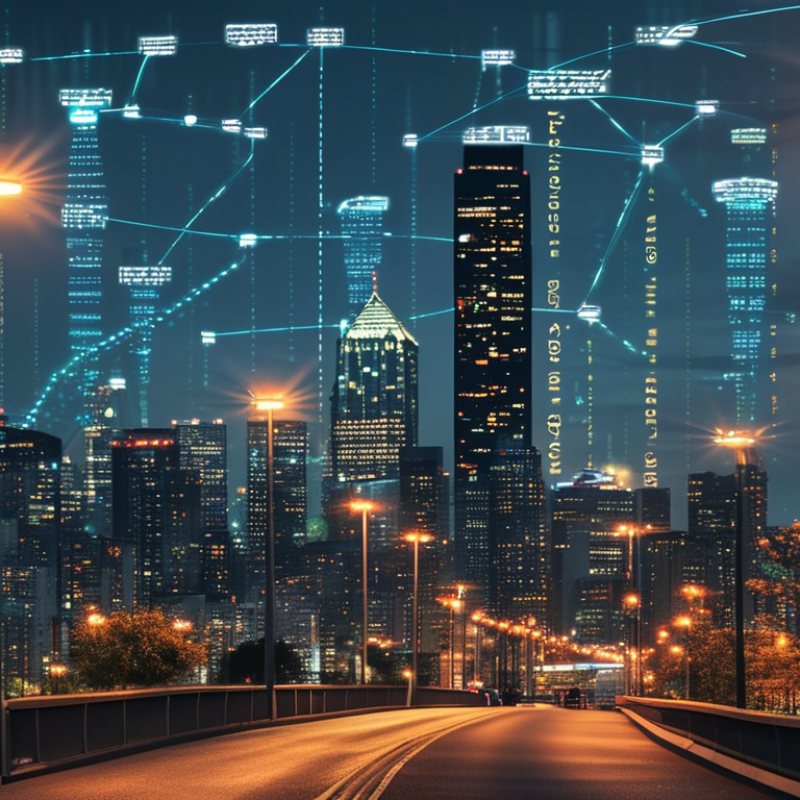
Best Street Lighting Control Solutions for Smart Cities: Overview of Technologies
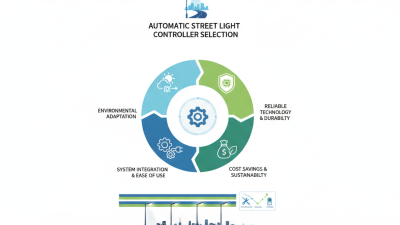
Street lighting control solutions play a crucial role in the infrastructure of smart cities. These solutions incorporate various technologies that enhance the efficiency and sustainability of urban lighting. One prominent approach is the use of IoT sensors. These sensors automatically adjust brightness based on environmental conditions and activity levels. This not only conserves energy but also improves safety in both pedestrian and vehicular traffic.
Another innovative technology involves central management systems. These systems allow city planners to monitor and control street lights from an integrated platform. Real-time data collection helps identify areas in need of maintenance or improvement. However, implementation can be challenging due to technical limitations and budget constraints. The integration of legacy systems with new technology often requires extensive planning and testing.
Moreover, smart street lighting can facilitate the installation of additional features. These may include emergency call boxes or environmental sensors. While beneficial, reliance on these technologies raises concerns about privacy and data security. Striking a balance between innovation and responsibility is essential as cities move towards more advanced lighting controls.
Key Features of Smart Street Lighting Control Systems in Urban Environments
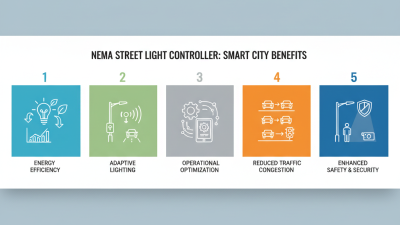
Smart street lighting control systems are essential for modern urban environments. These systems leverage cutting-edge technology to enhance public safety and energy efficiency. Integration with sensors helps monitor light levels. This ensures optimal illumination based on real-time conditions. Utilizing adaptive lighting reduces energy consumption and saves costs.
Another key feature is remote control capability. City managers can adjust lighting from any location. This flexibility allows for quick responses to emergencies or changing conditions. Various sensors can detect motion, turning lights on or off automatically. Cities can improve visibility while also conserving energy.
However, challenges exist. Implementing these technologies requires infrastructure upgrades. Some locations struggle with the costs involved. Moreover, data privacy concerns are prevalent. Cities must balance innovation with public trust. Despite these issues, the benefits of smart street lighting are clear. Enhanced safety, reduced energy use, and increased operational efficiency position these systems as vital for future urban planning.
Impact of Smart Lighting on Energy Consumption and Cost Savings
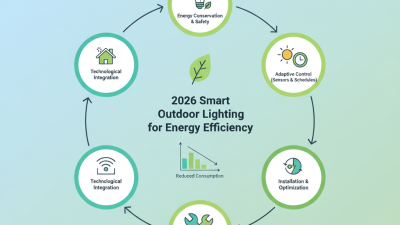
Smart lighting systems are changing the landscape of urban management. Cities employing advanced street lighting controls can reduce energy consumption significantly. Reports indicate that smart lighting can achieve energy savings of up to 50%. This reduction leads to substantial cost savings, allowing cities to redeploy funds to vital services.
Moreover, smart lighting adapts to real-time conditions. For instance, it can dim lights when streets are empty. Research shows this feature can further decrease energy consumption by 30%. Installations are often equipped with sensors to monitor surrounding activity, enhancing efficiency and ensuring safety.
However, not all implementations go as planned. Some cities struggle with integration and maintenance. Investment in infrastructure is costly, and the return on investment may take years. Understanding the technical parameters and user requirements remains crucial. Addressing these challenges will determine the long-term success of smart lighting initiatives.
Case Studies: Successful Implementations of Smart Street Lighting Solutions
Smart street lighting solutions are transforming urban environments. One noteworthy case study involves a mid-sized city that implemented an adaptive lighting system.
This system modulates brightness based on pedestrian and vehicle presence. Initially, the project faced technical challenges with sensor accuracy. Adjustments led to improved reliability, reducing maintenance costs by 30%.
Another successful example comes from a metropolitan area that focused on energy efficiency. They integrated LED technology with smart controls, allowing real-time data analysis.
The city reported a significant 50% reduction in energy consumption. However, the implementation was not without hurdles. Some residents expressed concerns about light pollution affecting their neighborhoods. The city responded by adjusting light distribution patterns to address feedback.
These implementations showcase the potential of smart lighting in improving public safety and reducing costs. Yet, they also highlight the importance of community involvement. Addressing local concerns can enhance acceptance and lead to better outcomes. Balancing innovation with public input will shape the future of smart street lighting in cities.
Future Trends in Street Lighting Control for Sustainable Smart City Development
Street lighting control is evolving rapidly, especially in smart cities. This evolution is driven by the need for sustainable development. According to a recent report by the International Energy Agency, street lighting accounts for about 30% of a city's energy consumption. Advanced control solutions can reduce this by up to 50%. This significant reduction is an essential step toward achieving global energy efficiency goals.
Incorporating IoT technology in street lighting is a trend on the rise. Sensors can adjust light levels based on pedestrian presence, time of day, or weather conditions. A study by the Smart Cities Council highlights that cities implementing smart lighting solutions observe a decrease in crime rates. Intelligent street lighting not only enhances safety but also reduces energy waste. Furthermore, integrating renewable energy sources offers a promising direction for the future.
Yet, challenges remain. Cybersecurity is often overlooked in smart lighting implementation. As cities become more interconnected, the risk of cyber-attacks increases. City planners must prioritize not just efficiency but also security. Balancing innovation with protection is crucial for sustainable smart city development. Adapting to these emerging trends will take time and careful consideration.