Why Choose an Automatic Street Light Controller for Your City?
In urban landscapes, safety and efficiency are paramount. An Automatic Street Light Controller is essential for modern cities. This system not only conserves energy but enhances public safety. Automatic Street Light Controllers adjust lighting based on real-time conditions. They respond to ambient light, ensuring streets are well-lit at night. This adaptability minimizes waste and maximizes visibility.
Many cities face challenges in maintaining street lighting. Manual systems often lead to redundancy and inefficiencies. Automatic controllers can reduce costs. They limit the use of electricity during low-traffic periods. However, the initial investment can be a concern. Cities must weigh the upfront costs against long-term savings. This reflection is crucial for effective urban planning.
Furthermore, the integration of technology in urban infrastructure raises questions. Are these systems reliable? Technical failures can occur. Cities should have backup plans in place. Despite these challenges, the benefits of an Automatic Street Light Controller are significant. They represent a step towards smarter, more sustainable urban environments.

Benefits of Automatic Street Light Controllers for Urban Areas
Automatic street light controllers offer numerous benefits for urban areas. According to a 2022 report by the International Energy Agency, cities can reduce energy costs by up to 30% when switching to smart lighting solutions. These systems adjust the brightness based on real-time data, such as traffic and weather conditions. This feature not only conserves energy but also enhances safety for pedestrians and drivers.
Moreover, automatic street light controllers can improve operational efficiency. A study by the Urban Institute found that cities using these technologies experienced up to a 40% reduction in maintenance costs. Sensors can detect failures in lighting, allowing for immediate repairs. This proactive approach not only saves money but also ensures consistent functionality, which is crucial for public safety.
Despite these advantages, there are challenges to implementation. Some municipalities face budget constraints, limiting their ability to transition to smart lighting. Additionally, the integration of new technologies can be complex. It's important for city planners to consider these factors thoroughly. Balancing efficiency, safety, and cost is essential for the successful adoption of automatic street light controllers.
How Automatic Street Light Controllers Enhance Energy Efficiency
Automatic street light controllers revolutionize urban lighting. By utilizing advanced sensors, these systems adjust brightness based on ambient light and traffic conditions. This flexibility leads to significant energy savings. Cities can reduce electricity costs while ensuring safety for pedestrians and drivers.
In areas with varying traffic levels, the adaptability of automatic controllers stands out. For example, lights can dim during late-night hours when fewer vehicles are present. This reduces energy waste without compromising safety. However, implementation can pose challenges, like integrating new technologies with existing infrastructure. Cities must weigh the benefits against potential costs and complications.
Gaining public trust is vital. Residents may question the reliability of these systems. Transparency in operation and energy savings reports can help alleviate concerns. Continuous assessment and improvements are necessary. Collecting data on performance will ensure these systems remain efficient and responsive to community needs.
Impact on Public Safety and Security with Smart Lighting Solutions
Cities worldwide face growing challenges in public safety.
Automatic street light controllers can enhance security through smart lighting solutions.
Research shows poorly lit areas increase crime rates.
According to the National Institute of Justice, well-lit streets can reduce crime by up to 30%.
This statistic highlights the importance of effective lighting strategies.
Implementing automatic street light controllers means lights adjust based on activity.
When areas are bustling, lights become brighter. In quieter times, they dim, saving energy while maintaining safety.
A report by the International Dark-Sky Association mentions that proper lighting can discourage criminal behavior.
Well-designed lighting helps residents feel safe, encouraging community engagement.
Tip: Ensure regular maintenance of lighting systems.
Malfunctioning lights can lead to dark spots. Dark areas may attract unwanted activities.
Investing in smart technology is just the start. Community involvement is vital.
Gathering feedback on lighting needs can lead to improvements. Smart solutions need public support to thrive.
Cost Savings and Maintenance Advantages of Automated Systems
The shift towards automated street light controllers is becoming a key strategy for urban management. A recent report from the International Energy Agency suggests that cities can reduce energy consumption from street lighting by up to 50% with smart systems. These automated controllers adapt to real-time conditions, dimming lights when traffic is low or adjusting based on weather conditions. This adaptability not only lowers energy costs but also extends the lifespan of lighting fixtures, reducing replacement frequency.
Maintenance is another arena where automated systems shine. According to studies from the Urban Institute, cities using smart street lighting report a 30% decrease in maintenance costs. Regular monitoring allows for timely repairs and replacements, preventing higher costs associated with emergency fixes. However, transitioning to automation comes with initial costs that some municipalities may find daunting. Continuous evaluation of these systems can provide valuable insights into optimizing resources and budget allocations. The balance between upfront investment and long-term savings requires careful consideration. Still, the overall evidence paints a compelling picture for the adoption of these advanced systems.
Technological Advances Driving the Adoption of Smart Street Lighting
In the modern era, smart city initiatives are gaining traction. Automatic street light controllers play a vital role in these efforts. Recent technological advances make street lighting more efficient. For instance, adaptive lighting adjusts brightness based on real-time conditions. This not only conserves energy but also enhances public safety.
Effective street lighting reduces nighttime accidents. However, the initial installation cost can be high. Cities need to weigh these costs against long-term savings. Regular monitoring and maintenance are essential, as poorly maintained systems can lead to inefficiencies. It’s crucial to evaluate these aspects continuously.
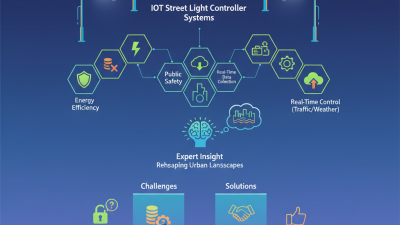
Integrating IoT technology offers additional benefits. Smart systems can be monitored remotely, and issues can be addressed before they escalate. Cities can collect data on traffic patterns, helping to optimize lighting schedules. This data-driven approach improves decision-making and resource allocation. Maintaining transparency in these processes encourages community trust.
Innovations like these are promising but come with challenges. For instance, some areas may resist change or lack infrastructure. Addressing these concerns requires engaging local stakeholders. A successful transition to smart lighting is not just about technology—it’s about collaboration.
Why Choose an Automatic Street Light Controller for Your City?
| Feature |
Benefit |
Impact on City |
| Energy Efficiency |
Reduced electricity costs |
Lower city budget expenditures |
| Automated Dimming |
Adaptive lighting based on traffic |
Improved road safety |
| Remote Monitoring |
Quick issue detection |
Enhanced maintenance efficiency |
| Integration with IoT |
Data-driven decisions |
Smart city enhancements |
| Sustainability |
Environmentally friendly practices |
Positive public perception |