Top 10 Benefits of Automatic Street Light Controllers for Buyers
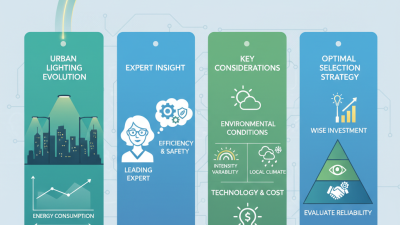
In urban environments, energy efficiency and safety are top priorities. The Automatic Street Light Controller has emerged as a key innovation in this pursuit. According to Dr. Emily Carter, a leading expert in smart city technology, “The impact of automated controls on street lighting goes beyond just saving energy; it enhances safety and urban livability.”
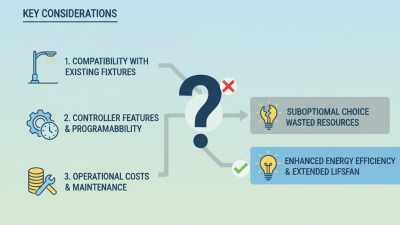
These controllers automatically adjust lighting based on surrounding conditions. They ensure lights are optimally bright when needed, reducing energy waste. Yet, some municipalities struggle with implementation. Issues like installation costs and maintenance can create roadblocks. Nevertheless, the merits outweigh these challenges.
This technology not only cuts down energy bills but also prolongs the lifespan of lighting systems. As cities grow, adapting to smarter solutions like the Automatic Street Light Controller is essential. There are complexities involved, but the industry is continuously evolving, exploring new frontiers to enhance urban living standards.
Understanding Automatic Street Light Controllers
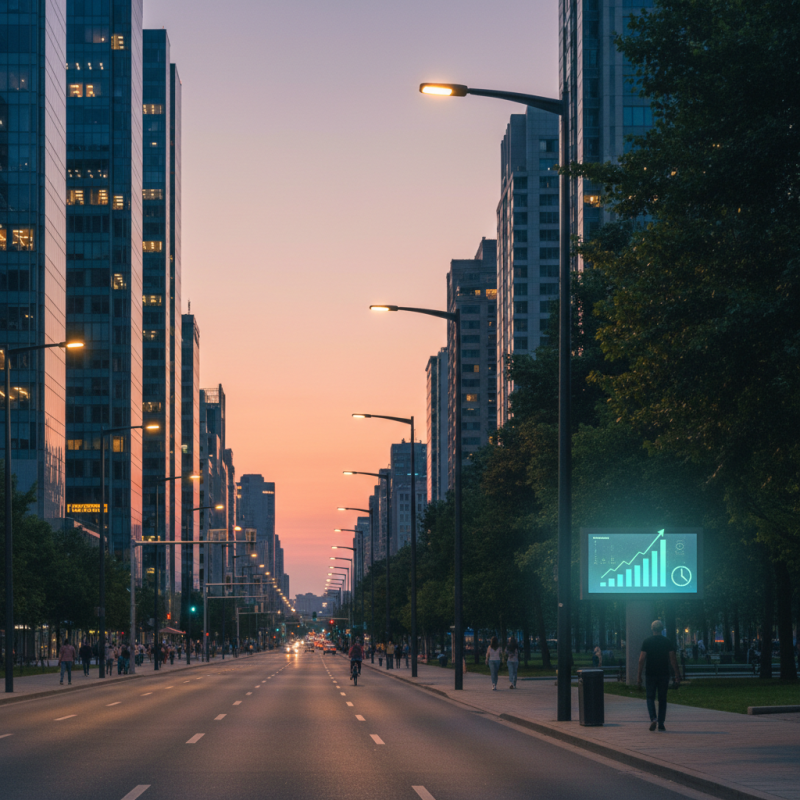
Automatic street light controllers are essential for modern urban management. These devices help regulate street lighting based on environmental conditions. When natural light decreases, controllers activate lights automatically. This not only saves energy but also enhances safety in public spaces.
Tips: Consider using sensors that detect motion. This can further reduce energy use. Not all controllers are created equal. Some may not respond well to extreme weather. Research is important.
The accuracy of these controllers is influenced by local conditions. In areas with frequent cloud cover, you might need manual adjustments. Regular maintenance is crucial for optimal performance. Ignoring it may lead to malfunction and increased costs.
Additionally, the integration of sustainable technology is becoming more common. Solar-powered options can be an eco-friendly choice. However, they can be inconsistent if not properly maintained. Explore various options to find the best fit for your area.
Top 10 Benefits of Automatic Street Light Controllers
Improved Energy Efficiency and Cost Savings
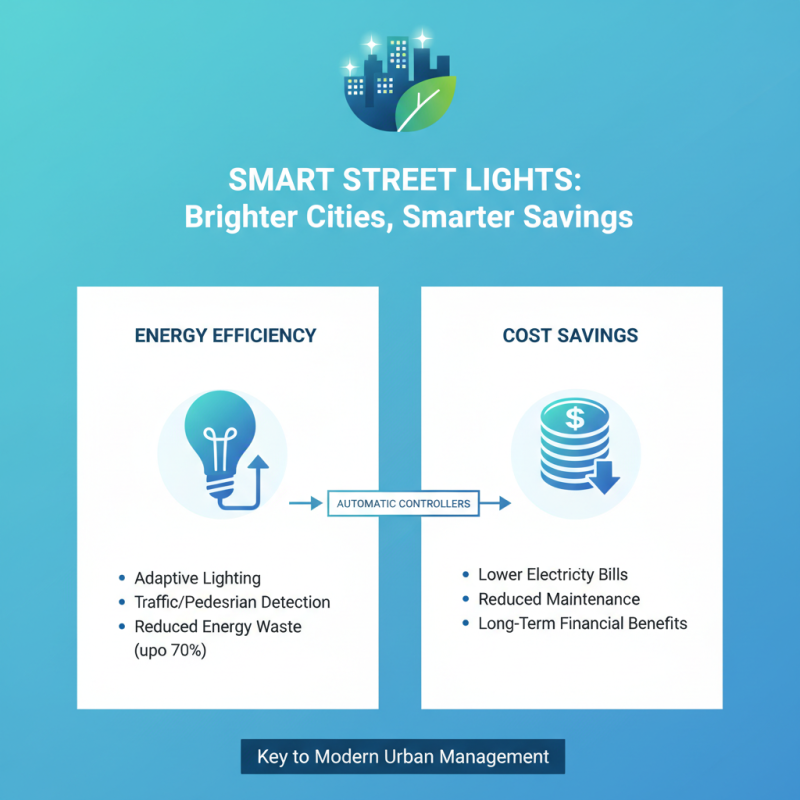
Automatic street light controllers are becoming essential for urban management. One significant benefit is their role in improving energy efficiency. These systems can adjust lighting based on the presence of traffic or pedestrians. By dimming or turning off lights when no one is around, cities can significantly reduce energy waste. This leads to substantial cost savings over time.
Furthermore, energy savings can lead to a decrease in greenhouse gas emissions. While the initial setup cost can be a concern, the long-term benefits often outweigh it. However, some municipalities may find the technology challenging to implement due to older infrastructure. This reflects the need for continuous adaptation and investment in smart city technologies. Overall, the move towards automation in street lighting showcases a commitment to resource management.
Enhanced Public Safety and Security Features
Automatic street light controllers play a vital role in enhancing public safety and security. By adjusting lighting based on ambient light levels, they ensure streets remain well-lit when needed. This feature effectively reduces dark areas where crimes may occur. Citizens feel safer walking at night, which encourages nighttime activity in the community. Brightly lit streets can deter potential criminal behavior, thus enhancing public confidence.
Consider the placement of these lights. Areas with high foot traffic should receive more light. Proper illumination reduces shadows where illicit activity may thrive. Also, ensure regular maintenance checks on the sensors. If they malfunction, dark spots may reappear, negating safety benefits. Think about adding additional features, like emergency lighting that activates during emergencies.
Awareness is key. Communities should educate residents about the presence and benefits of these systems. Knowing that streets are monitored and secured encourages more people to venture outdoors, particularly those who may feel vulnerable. Advocate for community involvement in discussions about street lighting needs. A well-lit environment fosters connection among residents, ultimately benefiting everyone's safety.
Environmental Benefits of Automatic Lighting Systems
Automatic street light controllers offer significant environmental benefits. They help reduce energy consumption. When lights turn off during the day, energy savings increase. Less energy use translates to a reduction in carbon emissions. This transition is vital for urban areas aiming for sustainability.
Consider this: cities require less electricity when using these systems. It leads to lower operating costs. Local governments can reallocate funds towards other community projects. The value of improved air quality grows as emissions decrease. Street lights can improve safety and visibility, yet maintaining energy efficiency is crucial.
Tip: Assess local needs before implementation. Each city's lighting requirements differ. A tailored approach ensures maximum efficiency. Additionally, investing in renewable energy sources for these systems enhances their environmental benefits. Encourage community involvement for better outcomes. Engaging residents builds awareness about energy-saving efforts. It fosters a culture of sustainability within the community.
Top 10 Benefits of Automatic Street Light Controllers for Buyers - Environmental Benefits of Automatic Lighting Systems
| Benefit |
Description |
Environmental Impact |
Energy Savings (%) |
| Reduced Energy Consumption |
Automatic controllers adjust lighting based on ambient light levels. |
Lowers carbon footprint by reducing energy demand. |
30% |
| Longer Lifespan of Bulbs |
Regularly dims lights during off-peak hours, extending bulb life. |
Fewer replacements reduce waste and environmental impact. |
20% |
| Less Light Pollution |
Dimming and sensor technologies reduce unnecessary lighting. |
Supports wildlife and decreases disruption of nocturnal ecosystems. |
N/A |
| Improved Safety |
Adaptive lighting enhances visibility for pedestrians and vehicles. |
Contributes to safer urban environments, reducing accidents. |
N/A |
| Lower Maintenance Costs |
Less frequent bulb replacements and repairs due to wear. |
Reduces resource input and waste in public services. |
15% |
| Smart City Integration |
Enables connectivity with city infrastructure for better management. |
Promotes efficient urban planning and resource allocation. |
N/A |
| User Control and Flexibility |
Allows for user-defined settings to suit different neighborhoods. |
Tailored usage supports community engagement in sustainability. |
N/A |
| Real-Time Monitoring |
Sensors monitor performance and automatically report issues. |
Minimizes downtime and waste through efficient problem resolution. |
N/A |
| Enhancement of Green Spaces |
Provides appropriate lighting for parks and recreational areas. |
Improves accessibility and encourages outdoor activities. |
N/A |
Ease of Installation and Maintenance Advantages
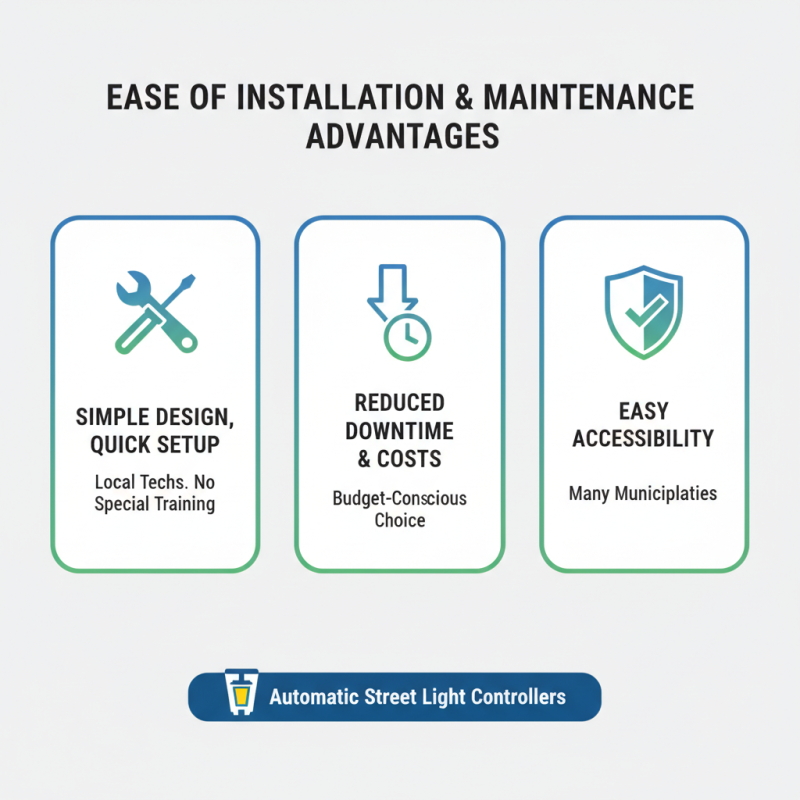
Automatic street light controllers offer significant advantages in terms of installation and maintenance. With simple design features, these controllers can be set up quickly by local technicians. No specialized training is required, making it accessible for many municipalities. This ease of installation reduces downtime and costs, which is beneficial for budget-conscious buyers.
Maintaining these systems is similarly straightforward. Many controllers include self-diagnostic features that alert users to issues. This proactive approach minimizes the need for frequent inspections. Users can respond quickly to malfunctions, thus ensuring continuous functionality. However, even with these advancements, occasional system failures may still occur, prompting a need for backup solutions.
It is essential to consider the long-term implications of your investment. While initial installation may seem easy, ongoing maintenance can present challenges. Replacement parts could become hard to find over time, impacting service reliability. Buyers should evaluate these aspects carefully. Overall, the benefits of automatic street light controllers extend beyond simple installation and maintenance, influencing overall efficiency in urban lighting management.