Leave Your Message

What Is an Outdoor Lighting Control Box?

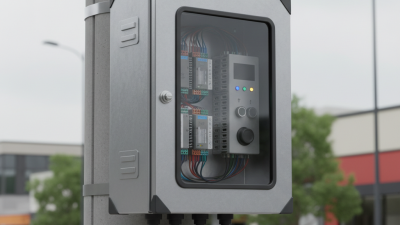
An Outdoor Lighting Control Box is the field-installed cabinet that manages power, timing, switching, and protection for exterior lighting systems. It may serve streets, parking lots, campuses, warehouses, or public pathways. Inside, technicians can find circuit breakers, contactors, photocells, timers, surge protection, and communication devices. The box turns a scattered lighting network into a controllable electrical system.

Its importance is growing as cities pursue lower energy use and smarter infrastructure. The International Energy Agency reports that lighting uses approximately 15% of global electricity. The U.S. Department of Energy also identifies connected controls as a practical method for reducing unnecessary lighting operation. These findings do not mean every project will achieve identical savings. Site layout, operating schedules, maintenance quality, and sensor placement strongly influence results. Small errors matter.

A properly specified Outdoor Lighting Control Box can combine astronomical clocks, photocontrols, remote monitoring, and manual override functions. It can switch lights after sunset, dim selected circuits, and record equipment faults. For reliable design, engineers should consider load ratings, enclosure protection, grounding, heat dissipation, and applicable electrical standards. NEMA guidance and relevant IEC requirements can support safer equipment selection, but local codes remain decisive. In practice, I have found that access space is often underestimated. A crowded cabinet slows troubleshooting and encourages temporary fixes. The box is not glamorous. It is essential.

This guide explains the box’s components, operating methods, installation concerns, and maintenance expectations. It also examines where control technology delivers measurable value, and where optimistic assumptions need closer review.
What Is an Outdoor Lighting Control Box?

Definition and Purpose of an Outdoor Lighting Control Box

What Is an Outdoor Lighting Control Box?

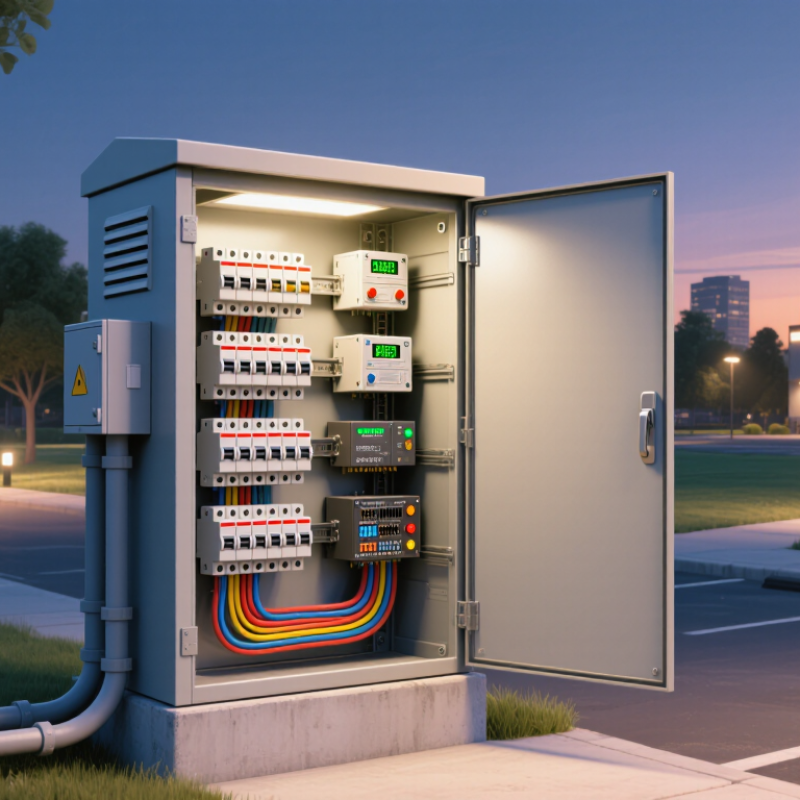
An outdoor lighting control box is a weather-resistant enclosure that manages exterior lighting circuits. It receives power, controls switching, and sends electricity to connected fixtures. Many units include a timer, photocell, contactor, circuit breaker, or manual override switch. The exact layout depends on the lighting load and installation requirements.

Its main purpose is dependable control. A photocell can turn lights on when daylight fades. A timer can set operating hours for pathways, parking areas, signs, or building entrances. Contactors help manage larger loads without placing excessive stress on a small control switch.

Circuit protection can also limit damage during an overload or electrical fault. The box keeps these working parts organized and protected from rain, dust, sunlight, and accidental contact.

Installation details matter.

The enclosure should match the site’s environmental conditions and provide suitable cable entries. Unused openings must be sealed properly. Poor drainage or loose covers can allow moisture inside. That problem may remain hidden until a cold night or heavy storm. A manual test switch is useful during inspection, but it should not replace scheduled maintenance. Technicians commonly check terminals, seals, grounding, timer accuracy, and signs of heat damage. No control box is perfect. A photocell may react to nearby security lighting, while a timer can drift after a power interruption. Careful placement and periodic testing reduce these practical weaknesses.

Main Components Inside the Control Box

What Is an Outdoor Lighting Control Box?

Main Components Inside the Control Box

An outdoor lighting control box houses the devices that switch, protect, and schedule exterior lights. Its enclosure should resist rain, dust, sunlight, and temperature changes. A tight door seal matters. Moisture can damage connections quickly.

The incoming circuit usually reaches a main disconnect or circuit breaker first. This device limits current during overloads or short circuits. A contactor then switches power to several lighting circuits. Smaller systems may use a relay instead. The timer or astronomical controller determines when lights turn on and off. It can follow fixed hours or local sunset and sunrise data.

Low-voltage terminals connect control signals, photocells, motion sensors, or remote switches. Surge protection helps reduce damage from voltage spikes, especially during storms. Grounding terminals provide a safer path for fault current. Clear labels make testing much easier. Poor labels create expensive confusion.

In field inspections, loose terminals and crowded wiring appear often. They may still work today. That does not make them reliable. Each conductor needs proper insulation, spacing, and mechanical support. Cable glands should grip the cable without crushing it. The enclosure also needs ventilation only when the design allows it. An outdoor control box is simple in appearance, but small installation errors can reduce safety and service life. Qualified professionals should verify connections against local electrical requirements.

How an Outdoor Lighting Control Box Operates

What Is an Outdoor Lighting Control Box?

How an Outdoor Lighting Control Box Operates

An outdoor lighting control box acts as the system’s decision center. It receives signals from a photocell, timer, motion sensor, or remote monitoring network. At dusk, the photocell detects lower light levels and sends a command to a relay or contactor. That device then supplies power to the lighting circuit. At dawn, the process reverses. An astronomical timer can improve accuracy by adjusting schedules throughout the year.

Modern control boxes may also support dimming, fault alerts, manual overrides, and circuit-level monitoring. The U.S. Department of Energy has reported that advanced lighting controls can deliver meaningful energy reductions in commercial applications, although actual savings depend on operating hours, sensor settings, and maintenance. A poorly adjusted sensor may switch lights repeatedly during fog, rain, or passing shadows. That is a real weakness, not a minor detail.

Tips: Position photocells away from direct lamp glare. Set a short test schedule before permanent programming. Check relay temperature and enclosure seals during routine inspections. The Illuminating Engineering Society recommends commissioning controls in their installed environment, because laboratory settings rarely reproduce dust, weather, or nearby reflective surfaces. I have found that manual override switches are useful during maintenance, but they can quietly defeat automatic savings when left active. Human habits still matter.

Common Types and Control Methods

An outdoor lighting control box houses the switches, timers, sensors, and protection devices that operate exterior lights. It is usually installed near a building, parking area, pathway, or landscape zone. The enclosure shields electrical components from rain, dust, sunlight, and accidental contact. A well-fitted door and sealed cable entries matter more than they appear.

Common types include photocell boxes, time-clock boxes, astronomical timer boxes, and smart control boxes. A photocell turns lights on when daylight fades. A time clock follows fixed hours, but seasonal sunset changes can make it inaccurate. An astronomical timer adjusts operation according to location and calendar data. Smart units may support remote scheduling, energy monitoring, and fault alerts. Manual switches remain useful for testing.

Different control methods suit different sites. Photocells work well for simple security lighting. Timers suit predictable operating periods, such as signs or pathway lights. Motion sensors reduce energy use in quiet areas, although frequent false triggers can become irritating. A combined sensor and timer often provides better control. Still, no method is perfect.

During a practical inspection, loose terminals and moisture marks are common warning signs. The control box should match the circuit load and environmental conditions. Protective breakers, grounding, and clear labels also support safer maintenance. Installation and servicing should follow local electrical requirements and be completed by a qualified professional. A small setting error can leave lights running all night. That detail is easy to miss.

Installation, Maintenance, and Safety Considerations

What Is an Outdoor Lighting Control Box?

Installation, Maintenance, and Safety Considerations

An outdoor lighting control box houses timers, contactors, photocells, and circuit protection. It switches lighting automatically according to time or daylight. A well-installed box prevents unnecessary nighttime operation and reduces maintenance visits. The U.S. Department of Energy reports that advanced lighting controls can reduce lighting energy use by roughly 20–30% in suitable commercial applications. Savings vary with weather, schedules, and user settings.

Installation requires a weather-resistant enclosure, correct grounding, and sealed cable entries. Technicians should mount the box above standing water and leave working clearance around terminals. NFPA 70 requirements cover wiring, overcurrent protection, and grounding practices in the United States. Photocells need a clear view of natural light. Nearby lamps can confuse them. That detail is often missed.

Maintenance should include seasonal timer checks, terminal inspections, and cleaning of the photocell window. Look for corrosion, heat marks, cracked seals, or loose conductors. The International Dark-Sky Association estimates that about 30% of outdoor lighting may be wasted through poor shielding or unnecessary use. A control box cannot correct every design flaw. It only follows its inputs. Technicians should de-energize circuits before opening the enclosure and verify absence of voltage with rated test equipment. Personal protective equipment remains necessary, even for routine work. One practical weakness deserves attention: complicated schedules can create false confidence. Simple settings are usually easier to verify, document, and repair.

What Is an Outdoor Lighting Control Box? - Installation, Maintenance, and Safety Considerations

Category Component or Consideration Typical Requirement or Practice Installation, Maintenance, or Safety Guidance
Definition Outdoor lighting control box A weather-resistant enclosure that houses switching, timing, protection, and control equipment for exterior lighting circuits. The enclosure should be accessible for servicing while protected from standing water, impact, excessive heat, and unauthorized access.
Main Function Lighting control Turns lights on and off manually, automatically, or according to a programmed schedule. Common control methods include switches, time clocks, photocells, astronomical timers, and low-voltage control relays.
Enclosure Weather-resistant cabinet Use an enclosure rated for the outdoor environment, with suitable protection against rain, dust, corrosion, and condensation. Select the enclosure rating according to the installation location. A higher environmental rating may be necessary for exposed or wet locations.
Power Supply Line-voltage or low-voltage input The supply voltage must match the lighting equipment, control devices, transformer, and overcurrent protection. Verify voltage, current, and load ratings before energizing the circuit. Do not connect low-voltage lighting directly to line voltage.
Circuit Protection Circuit breaker or fuse Protection should be sized for the conductor ampacity and connected lighting load in accordance with applicable electrical codes. Never replace a fuse or breaker with one of a higher rating unless the entire circuit has been properly evaluated and approved.
Ground-Fault Protection GFCI protection Outdoor receptacles and many exterior electrical circuits require ground-fault circuit-interrupter protection. Test the GFCI using its test and reset functions at the interval required by local rules or the device instructions. Investigate repeated trips.
Surge Protection Transient voltage protection Surge protective devices can help reduce damage from switching transients and nearby lightning activity. Inspect surge protection indicators where provided and replace devices that have reached their end-of-life status.
Automatic Control Photocell or astronomical timer Photocells respond to ambient light, while astronomical timers use programmed sunrise and sunset information. Keep photocells clear of artificial light sources and adjust timer settings for seasonal changes, daylight-saving rules, and local requirements.
Manual Override Service switch or bypass control Allows authorized personnel to turn the lighting circuit on or off during testing, maintenance, or emergencies. Label the switch clearly and prevent accidental operation where the circuit serves critical lighting or public areas.
Load Capacity Connected lighting load The total wattage and inrush current must remain within the ratings of the switch, relay, timer, transformer, conductors, and protective device. Allow for LED driver inrush current and future additions. Divide large loads between properly rated circuits when necessary.
Cable Routing Underground or surface wiring Use wiring methods and burial depths permitted for the specific cable type, voltage, location, and local electrical code. Mark underground routes, avoid sharp bends, protect cables from mechanical damage, and contact the appropriate utility-locating service before excavation.
Cable Entries Conduit fittings and cable glands Entries should maintain the enclosure’s environmental protection and prevent water from tracking into the cabinet. Use compatible fittings, tighten them correctly, provide drip loops where appropriate, and seal unused openings with approved closures.
Grounding and Bonding Equipment grounding conductor Metal enclosures and non-current-carrying metal parts must be bonded to the equipment grounding system where required. Check grounding connections for looseness, corrosion, and continuity during scheduled inspections.
Installation Location Mounting position Mount the box on a stable surface above areas prone to flooding, splashback, snow accumulation, or irrigation spray. Maintain the clearances specified by the equipment instructions and provide sufficient space for safe inspection and wiring work.
Ventilation and Condensation Moisture and heat management The enclosure must remain within the operating temperature range of its components and should limit internal condensation. Do not drill unapproved ventilation holes. Inspect for water droplets, rust, damaged seals, and blocked drainage paths.
Labeling Circuit identification Labels should identify the power source, lighting zones, disconnecting means, control devices, and emergency shutoff information. Replace faded or missing labels and update the circuit directory after any modification.
Routine Inspection Visual and functional check Inspect the cabinet, wiring, controls, seals, mounting hardware, and connected lights at least seasonally or according to the maintenance plan. Look for corrosion, overheating, loose connections, cracked insulation, pest damage, water intrusion, and abnormal sounds or odors.
Cleaning Lens, photocell, and enclosure cleaning Remove dirt, leaves, insects, and mineral deposits that can interfere with light output or sensor operation. De-energize equipment when required, use non-abrasive materials, and keep water away from open electrical components.
Troubleshooting Lights not operating Possible causes include a tripped protective device, failed lamp or driver, incorrect timer setting, blocked photocell, loose connection, or damaged cable. Follow a documented diagnostic sequence. Do not bypass protective devices or work on energized conductors without proper authorization and qualifications.
Safe Servicing Isolation and verification Before servicing, disconnect the circuit, apply lockout/tagout procedures where applicable, and verify the absence of voltage with an appropriate tester. Only qualified personnel should perform line-voltage installation, testing, repairs, or modifications.
Compliance Applicable codes and permits Requirements vary by jurisdiction and may cover wiring methods, burial depth, GFCI protection, disconnects, grounding, accessibility, and energy use. Obtain required permits and inspections, and confirm the final design with the local authority having jurisdiction before installation.

Note: Electrical requirements vary by location, voltage system, installation environment, and applicable code. Consult the equipment instructions and a qualified electrician before installation or servicing.