How to Optimize Smart Lighting Control for Your Business?
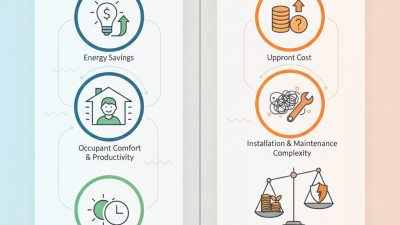
Smart Lighting Control can significantly enhance the efficiency of your business. By optimizing lighting systems, companies can reduce energy costs and improve employee comfort. Effective management of lighting not only influences productivity but also impacts customer experience.
Implementing Smart Lighting Control requires thoughtful planning. Understanding how different spaces are utilized helps businesses tailor lighting to their needs. For instance, brighter lights can energize workspaces, while softer lighting can create a welcoming atmosphere in retail environments. However, striking the right balance can be challenging. Business owners must frequently reassess their strategies.
Advanced systems offer numerous features, but they can be complex. Staff training is essential to maximize the benefits of Smart Lighting Control. Without proper use, these systems may underperform. Regular reviews of lighting data can reveal areas needing improvement, ensuring that the investment remains valuable over time.
Understanding Smart Lighting Systems and Their Benefits for Businesses
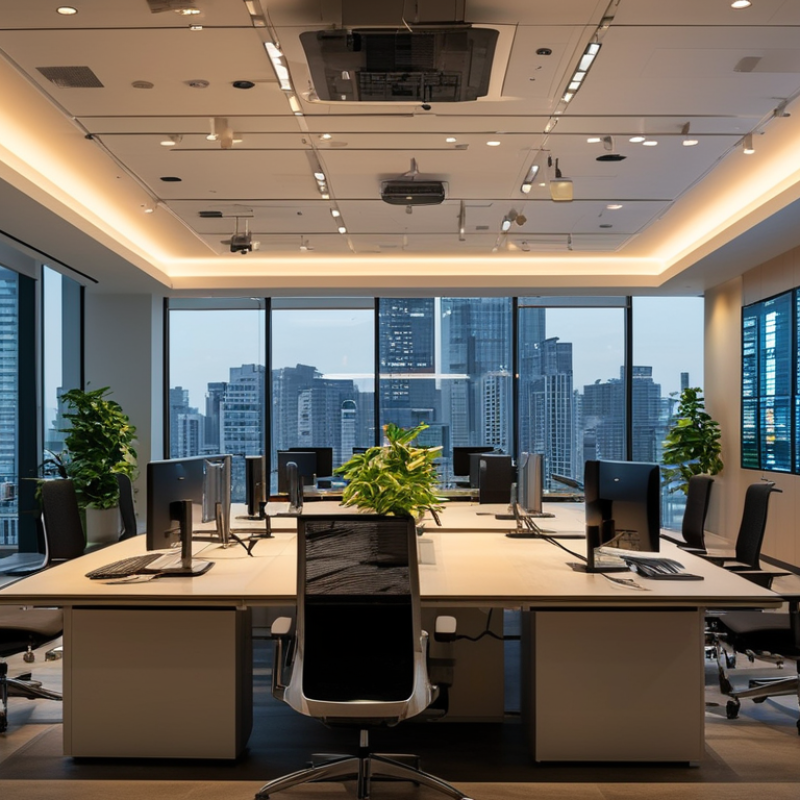
Smart lighting systems have transformed the way businesses operate. These systems provide not only energy efficiency but also enhance the overall ambiance. A well-designed smart lighting solution can lead to increased productivity and employee satisfaction. As businesses become more aware of their environmental impact, smart lighting offers a sustainable choice.
Implementing smart lighting can be challenging. Many businesses fail to evaluate their specific needs before installation. Assessing your space and usage patterns is critical. Ensure the technology aligns with your business goals. Additionally, training staff on the benefits can lead to better usage and satisfaction.
Tips for optimization: Consider setting schedules based on occupancy. This can save energy and reduce costs. Regularly monitor the system's performance to identify potential issues. A lack of regular checks might lead to underutilization of features that can enhance efficiency. Simple adjustments can make a significant difference. Be open to feedback from employees about lighting preferences. Their insights can lead to a more comfortable work environment.
Assessing Your Business's Lighting Needs for Optimization
Assessing your business's lighting needs is crucial for optimization. Start by evaluating the current lighting setup. Note areas that are either too bright or dim. Overly bright spaces can cause discomfort, while dark spots may lead to safety issues. A balanced approach is necessary for productivity and comfort.
Consider the specific tasks performed in each area. Different tasks require different lighting levels. For instance, offices generally require softer lighting for reduced glare. In contrast, warehouses need brighter lights to enhance visibility. Pay attention to employee feedback. They can provide insights into lighting quality and its impact on their work.
Analyze the usage patterns as well. Are lights often left on after hours? Implementing smart controls can help manage this issue. Using sensors can automatically turn lights off in unoccupied areas. This not only saves energy but also reduces costs. Understand what works best for your unique business environment while remaining open to adjustments.
How to Optimize Smart Lighting Control for Your Business?
| Lighting Zone |
Current Usage (W) |
Proposed Usage (W) |
Potential Savings (%) |
Control Type |
| Office Area |
250 |
180 |
28% |
Daylight Harvesting |
| Meeting Rooms |
150 |
110 |
27% |
Smart Sensors |
| Warehouse |
500 |
350 |
30% |
Motion Sensors |
| Break Room |
100 |
70 |
30% |
Timer Control |
| Hallways |
200 |
140 |
30% |
Occupancy Sensors |
Key Technologies and Features in Smart Lighting Control
Smart lighting control is transforming the way businesses operate. Utilizing advanced technologies can enhance efficiency while reducing energy costs. A recent report suggests that smart lighting systems can lead to energy savings of up to 60%. This figure highlights the potential for substantial cost reductions in operational expenses.
Key technologies in smart lighting include IoT integration and sensor-based controls. These systems allow for real-time data collection and automated adjustments. For instance, occupancy sensors can turn lights off in unoccupied spaces, thereby optimizing energy use. Moreover, dimming capabilities further enhance savings while providing an adaptable environment for employees.
However, there are challenges. Many companies struggle to implement these technologies effectively. Integration with existing systems can be complex. Training staff is essential to fully utilize the potential of smart lighting. Understanding user needs is critical. Companies should assess their unique requirements before pursuing smart lighting solutions. This tailored approach ensures the system works to its fullest potential.
Strategies for Efficient Implementation of Smart Lighting Solutions
Implementing smart lighting solutions in a business can significantly enhance energy efficiency. The U.S. Department of Energy reports that smart lighting systems can reduce energy consumption by up to 60%. However, the process requires careful planning and execution.
One effective strategy is to conduct a thorough energy audit before installation. This audit helps identify areas where lighting can be optimized. A detailed assessment allows businesses to make informed decisions about the types of smart controls needed. For example, integrating occupancy sensors can adjust lighting based on real-time usage. Such implementation can save further energy when rooms are unoccupied.
Training staff on how to utilize smart systems is also crucial. Many employees may not be familiar with the technology. Lack of knowledge can lead to inefficient energy use. Additionally, continuous monitoring and data analysis are necessary to assess the system's performance over time. Regular evaluations might reveal that some areas require more advanced solutions. By addressing these needs, businesses can ensure their smart lighting systems remain effective and reliable.
Smart Lighting Solutions Energy Consumption
This bar chart illustrates the annual energy consumption in kilowatt-hours (kWh) for different types of lighting solutions. Optimizing smart lighting control can significantly reduce energy usage compared to traditional lighting, demonstrating the efficient implementation of smart lighting solutions.
Measuring and Analyzing Performance to Ensure Optimal Control
Measuring and analyzing the performance of smart lighting control is crucial for any business aiming to optimize energy efficiency and enhance user experience. Start by collecting data from your lighting systems. Use sensors and smart meters to gather information on usage patterns. Understanding when and where employees use lights can highlight inefficiencies. Analyze this data regularly to identify zones where lighting is unnecessary or excessive.
Consider factors like natural light availability and occupancy levels. Adjusting lighting in real-time based on these variables can lead to substantial energy savings. Make sure to involve staff in this process. Their feedback on lighting comfort is invaluable. Sometimes, what seems optimal in theory may not work in practice.
Don't forget to review user interfaces and control systems. A system that is too complex may lead to misuse. Simplicity is key. Periodic assessments can help in fine-tuning these systems. This approach encourages continuous improvement and may reveal areas needing adjustment. Regular evaluation ensures your lighting remains efficient and beneficial.