2026 Best Lighting Management Systems for Energy Efficiency and Savings?
As energy efficiency continues to gain importance, Lighting Management Systems are becoming essential for many organizations. These systems not only reduce energy consumption but also lead to significant cost savings. In 2026, the best lighting management solutions are equipped with advanced technology that allows for greater control over lighting environments.
Modern Lighting Management Systems integrate sensors and automation. This ensures lights operate only when needed, adapting to occupancy and natural light levels. However, choosing the right system may feel overwhelming due to the variety of options available. Investing time in understanding each system’s capabilities is crucial.
Moreover, while these systems promise efficiency, implementation may reveal challenges. Maintenance and user training often require attention. Some organizations may face pushback from staff. Nevertheless, understanding these hurdles is vital for effective integration. A well-chosen Lighting Management System can not only illuminate spaces but also enhance overall energy conservation efforts.

Overview of Lighting Management Systems and Their Importance
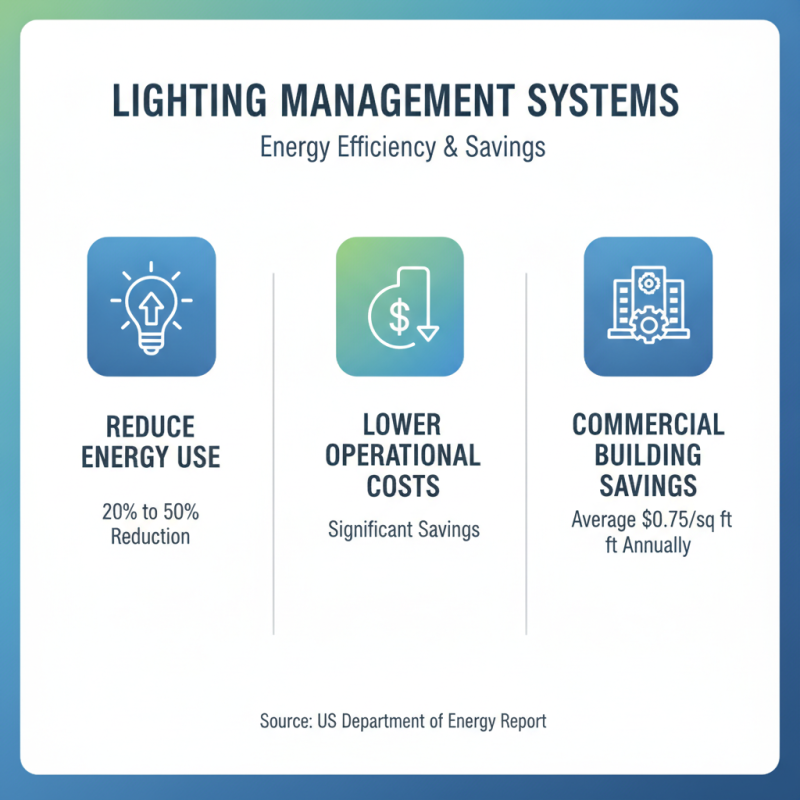
Lighting management systems (LMS) are essential for achieving energy efficiency in today’s buildings. According to a report from the U.S. Department of Energy, effective lighting controls can reduce energy use by 20% to 50%. This significant saving translates to reduced operational costs. In commercial spaces, proper installation of these systems can lead to an average of $0.75 per square foot in savings annually.
Moreover, these systems are not just about cutting costs. They play a crucial role in enhancing user comfort and productivity. A study by the National Renewable Energy Laboratory indicates that improved lighting conditions can increase worker productivity by 15%. However, these systems often go underutilized. Many facilities do not leverage advanced sensors and controls effectively. There is a gap in understanding their full potential.
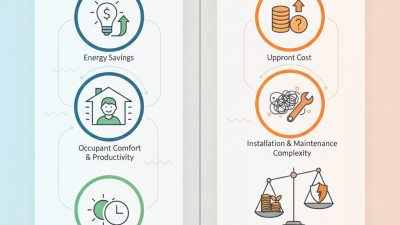
Implementing LMS requires an upfront investment. However, the long-term benefits outweigh initial costs. A lack of training can hinder proper usage, diminishing system effectiveness. Realizing energy savings requires commitment from all stakeholders. Careful planning and continuous education on system capabilities are vital for maximizing outcomes. Balancing investment and understanding can lead to smarter, sustainable buildings.
Key Features of Energy-Efficient Lighting Management Systems
Energy-efficient lighting management systems are essential for reducing costs and environmental impact. These systems often include advanced features that optimize energy usage. One critical feature is occupancy sensing. This technology turns lights on and off based on room activity. It prevents energy waste and enhances convenience.
Another significant aspect is daylight harvesting. This allows systems to adjust artificial lighting based on natural light levels. By integrating sensors, buildings can reduce reliance on electric lighting during the day. Such features can lead to remarkable energy savings. However, implementing this technology requires careful planning and monitoring.
User-friendly interfaces are crucial as well. A system that is hard to navigate can lead to improper usage. Training staff to operate these systems effectively is vital. There can be challenges in user adoption. Some may resist change, preferring traditional control methods. Addressing these concerns requires ongoing support and education on the benefits of these systems.
Top 2026 Lighting Management Systems for Energy Efficiency
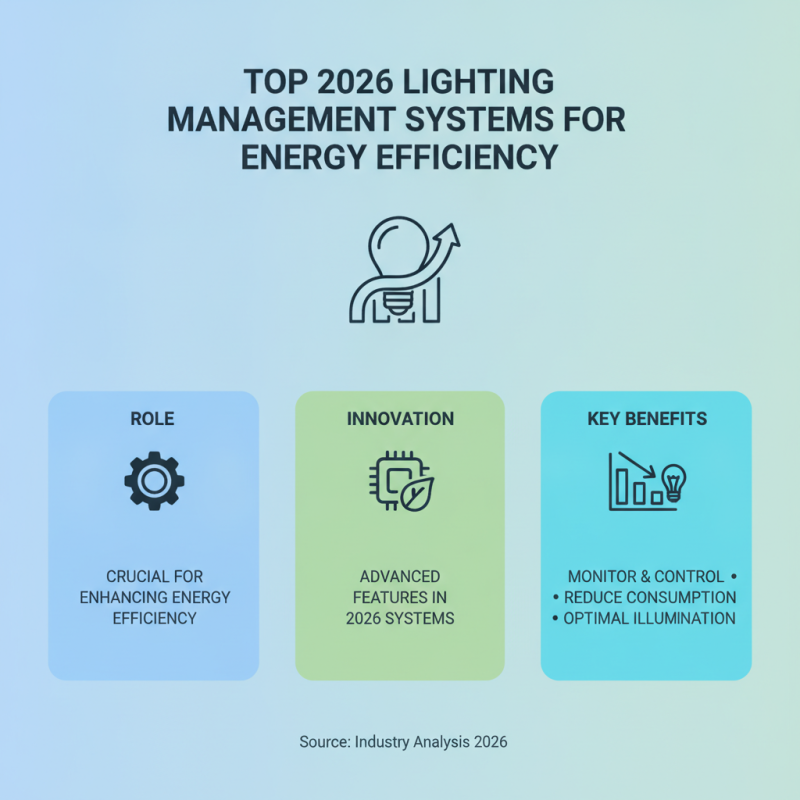
Lighting management systems play a crucial role in enhancing energy efficiency. In 2026, several systems stand out for their innovative features. These systems help monitor and control lighting across various environments. They aim to reduce energy consumption while maintaining optimal illumination levels.
One key feature is daylight harvesting, which adjusts artificial lighting based on natural light availability. This technique not only saves energy but also creates a more pleasant atmosphere. Furthermore, advanced motion sensing technology turns off lights in unoccupied spaces. This simple adjustment leads to significant savings over time.
However, implementing these systems is not without challenges. Some users might struggle with initial setup. The complexity of certain systems can lead to underutilization. It's essential to assess needs carefully before making a choice. Educating staff on effective use is crucial for maximizing benefits. Ultimately, the best solution varies based on specific operational requirements and user comfort.
Cost Savings and Return on Investment with Effective Lighting Management
Effective lighting management systems play a crucial role in enhancing energy efficiency and generating significant cost savings. Studies indicate that well-implemented lighting strategies can reduce energy consumption by 30% or more. One analysis by the U.S. Department of Energy highlights that upgrading to energy-efficient lighting can yield a return on investment (ROI) of up to 200% within a few years.
Installation of advanced lighting controls, like occupancy sensors and dimmers, can optimize energy use in commercial spaces. A report from the International Energy Agency shows that these systems can contribute to savings of around $25 billion annually in the U.S. alone. However, businesses often hesitate due to initial costs and complexity of technology. These concerns merit reflection, as many overlook the evolving advancements that simplify installation and management.
Embracing smart lighting solutions could empower organizations to drive not just financial returns, but also contribute positively to sustainability goals. While the transition may appear daunting, the potential for savings and efficiency gains is substantial. Research suggests that proactive energy management fosters long-term benefits that outweigh the initial setup challenges.
Future Trends in Lighting Management for Enhanced Energy Savings
The future of lighting management is likely to focus on smart technologies. Increasingly, buildings utilize advanced sensors and IoT devices. These systems monitor light levels in real-time. This ensures optimal brightness while reducing energy consumption. Studies show that effective lighting management can cut utility bills significantly.
Smart lighting networks will adapt to environmental changes. For example, they can dim or brighten based on natural light. This responsiveness conserves energy and improves sustainability. However, challenges remain. Many systems still rely on outdated technology. Adopting new systems can be costly and complex.
Training staff on new technologies is essential. They must understand how to leverage these systems for energy efficiency. Moreover, regular assessments of lighting management practices are vital. This allows for adjustments based on performance data and energy usage. Future trends will continue to emphasize efficiency and sustainability. Yet, businesses must stay vigilant and adaptable to truly benefit from these innovations.