Top IoT Lighting Solutions for Smart Homes and Businesses?
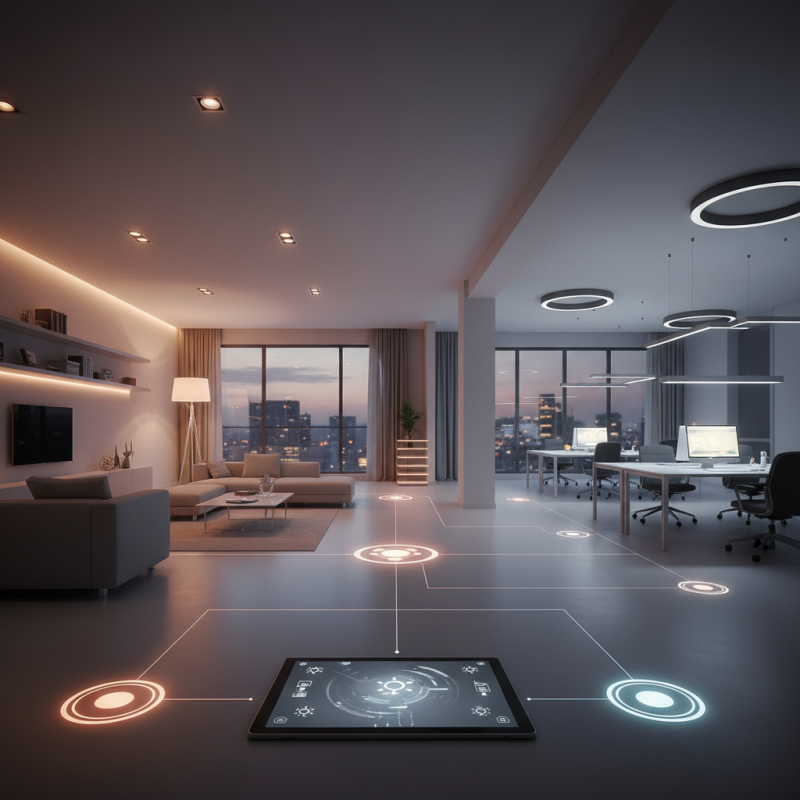
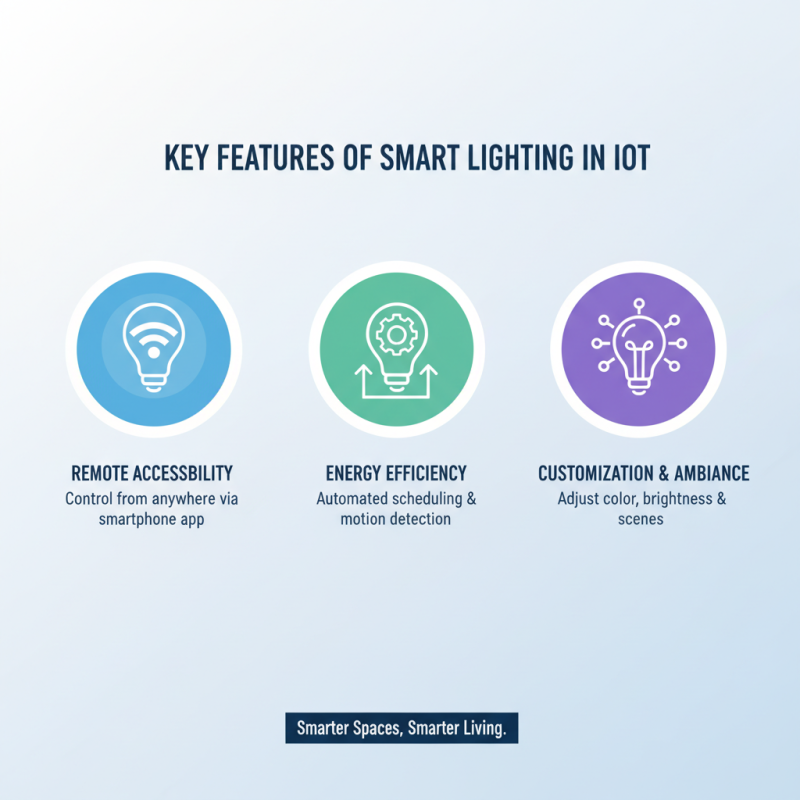
As technology evolves, IoT lighting has become essential for smart homes and businesses. This innovation offers more than just convenience; it provides energy efficiency and enhanced security. Consumers can control their lighting remotely, creating customized atmospheres at any time.
However, choosing the right IoT lighting solutions can be overwhelming. An abundance of options exists, each boasting unique features and benefits. Considerations include compatibility with existing smart systems and ease of installation. Reflecting on your specific needs is crucial for making informed decisions.
Implementing IoT lighting can be a game changer, yet it requires careful thought. One must weigh costs against benefits. Not all solutions will fit every space or budget. Therefore, exploring the top IoT lighting options is vital for anyone seeking to enhance their environment.
Overview of IoT Lighting Solutions for Smart Homes and Businesses
The rise of IoT lighting solutions is transforming smart homes and businesses. These systems enhance energy efficiency and provide seamless control. Reports indicate that the global smart lighting market is expected to exceed $30 billion by 2025. This growth is fueled by increasing demand for smart environments, where lighting is integrated into broader IoT ecosystems.
In homes, IoT lighting systems offer convenience and personalization. Homeowners can control lighting remotely via mobile apps. This enables users to create schedules and adjust brightness levels effortlessly. Data shows that smart lighting can reduce energy consumption by up to 30%. However, ease of use can vary across devices. Some users might find interfaces complex or unintuitive, which can hinder their experience.
For businesses, smart lighting presents opportunities for improved productivity. Lighting can be adjusted according to occupancy, saving costs during off-hours. Expert insights suggest businesses can see a return on investment in under three years. However, integrating these systems with existing setups may require significant planning.
Tips for implementation: Start small with a few key areas. Test different systems before committing. Regularly review energy usage reports to identify improvement areas. Prioritize user-friendliness to ensure all employees can adapt. Embrace the flexibility that IoT lighting solutions bring, but remain mindful of the complexities involved.
Top IoT Lighting Solutions for Smart Homes and Businesses
| Solution Type |
Features |
Connectivity |
Energy Efficiency |
Control Method |
Average Price |
| Smart LED Bulbs |
Dimming, Color Changing, Schedules |
Wi-Fi, Zigbee |
High |
App, Voice Control |
$15 - $50 each |
| Smart Light Switches |
Remote Control, Scheduling, Energy Monitoring |
Wi-Fi, Z-Wave |
Moderate |
App, Physical Switch |
$30 - $80 each |
| Smart Lighting Panels |
Customizable Shapes, Color Adjustments |
Wi-Fi, Bluetooth |
High |
App, Voice Control |
$100 - $250 |
| Smart Outdoor Lighting |
Weatherproof, Motion Detection |
Wi-Fi, Zigbee |
Moderate |
App, Motion Sensors |
$40 - $120 each |
| Smart Ceiling Lights |
Adjustable Brightness, Color Tuning |
Wi-Fi, Bluetooth |
High |
App, Voice Control |
$80 - $200 |
Comparative Analysis of Leading IoT Lighting Brands
In the realm of smart homes and businesses, IoT lighting solutions play a crucial role. Different brands offer unique features, making selection challenging. One key aspect to consider is ease of integration. Some systems seamlessly connect to existing networks, while others require more effort. A reliable setup can significantly enhance the user experience.
Energy efficiency also varies between brands. Many companies claim to save energy through advanced technology. However, real-world data can show mixed results. It's essential to evaluate user reviews to gain a realistic perspective. Look for long-term benefits rather than just flashy marketing claims.
Another consideration is the design and aesthetics of the products. Some lighting solutions prioritize sleek looks, while others focus on practicality. Users often grapple with choosing between style and functionality. Personal preferences will heavily influence this decision. Furthermore, customer support is crucial for resolving installation issues. A responsive support team can make a significant difference in user satisfaction.
Integration of IoT Lighting with Home Automation Systems
The integration of IoT lighting systems with home automation has revolutionized how we approach smart living. According to a report by MarketsandMarkets, the global smart lighting market is projected to reach $24.4 billion by 2027, underlining the growing demand for intelligent lighting solutions. IoT lighting can be easily controlled through smartphone apps or voice-activated devices, enabling users to adjust brightness and color for different moods. This flexibility enhances the user experience significantly.
Among the benefits, energy efficiency stands out. A study from McKinsey suggests that smart lighting can reduce energy consumption by up to 60%. This is crucial for both residential and commercial spaces, where utility costs can accumulate quickly. Moreover, integrating IoT lighting with home automation adds layers of customization. Think about schedules or ambient settings activated by motion sensors. However, not every integration is seamless, and some users report connectivity issues that can disrupt their experience.
Tip: Consider compatibility when choosing IoT devices. Some products may not connect smoothly, impacting the overall system performance.
Also, data privacy is a concern worth addressing. Smart lighting systems often collect personal data, which can be vulnerable to hacking. Ensuring robust security measures can mitigate these risks. Regularly updating your device firmware is a simple yet effective step towards safeguarding your smart home environment.
Future Trends in IoT Lighting Technology for Enhanced Efficiency
The landscape of IoT lighting technology is rapidly evolving. Recent reports estimate that the global smart lighting market will surpass $100 billion by 2025. This growth is driven by increased energy efficiency and the rise in smart home adoption. As businesses and homes increasingly embrace connected technologies, smart lighting solutions are becoming essential players in energy management and sustainability.
A key trend involves integrating IoT lighting with automation. By using sensors, lights can adapt to the natural light in a room. This not only enhances user comfort but can also lead to a reduction in energy costs by as much as 30%. According to recent studies, facilities that implemented smart lighting saw a notable improvement in productivity. Lighting responds to occupancy and usage patterns, adjusting brightness accordingly.
Tips: Consider implementing motion sensors in less-trafficked areas for automatic lighting. This small change can lead to significant energy savings. Additionally, explore systems that allow for remote control of lighting, ensuring you never leave lights on unintentionally.
Future innovations may focus on improved interoperability among devices. A seamless network among smart appliances could optimize energy usage further. However, challenges like the complexity of set up and data privacy issues require attention. The journey towards an intelligent lighting system is promising yet calls for critical thinking and smarter solutions.
Top IoT Lighting Solutions for Smart Homes and Businesses
This chart illustrates the market adoption rates of various IoT lighting solutions for smart homes and businesses. Smart Bulbs lead the way, showcasing increasing popularity driven by convenience and energy efficiency. Other solutions like Connected Lighting and LED Technology also show significant growth, indicating a broader trend towards integrating smart lighting in residential and commercial settings.