Top Tips for Choosing the Best Street Light Software Solutions?
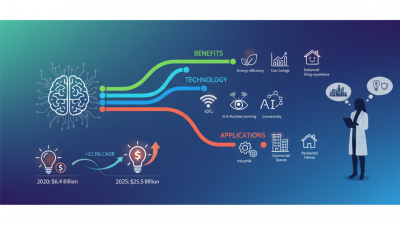
In recent years, the demand for efficient urban lighting solutions has surged. According to a report by MarketsandMarkets, the smart street lighting market is projected to reach USD 10 billion by 2025. This growth highlights the importance of choosing the right Street Light Software. Urban planners and municipalities must understand the critical features that can enhance efficiency.
Smart lighting solutions offer energy efficiency, improved maintenance, and real-time data analytics. For instance, cities implementing advanced lighting controls have reported energy savings of up to 50%. However, many decision-makers face challenges. They often struggle with software compatibility and integration issues. This can lead to unnecessary expenditures and operational inefficiencies.
Selecting the best Street Light Software involves assessing the specific needs of your municipality. It’s essential to consider customization, scalability, and user support. Investing time in understanding these factors can make a significant difference. A well-chosen software solution ultimately supports smarter cities, leading to sustainability and improved public safety.

Understanding the Importance of Street Light Software Solutions
Street light software solutions are crucial for modern urban management. They enhance energy efficiency, improve public safety, and reduce operational costs. A recent report by the International Energy Agency (IEA) indicates that smart street lighting can save up to 50% in energy consumption. With the increasing urban population, municipalities need effective solutions to manage street lighting efficiently.
When selecting street light software, consider these tips. Assess the scalability of the solution. Will it adapt as your needs grow? Analyze the user interface. A straightforward, intuitive design ensures quick adoption among staff. Check for real-time monitoring capabilities. This feature allows immediate response to issues, enhancing public safety and reliability.
Moreover, data security is paramount. A study from the Cybersecurity and Infrastructure Security Agency (CISA) highlights that nearly 60% of cities experienced cyberattacks on critical infrastructure. Evaluate vendor protocols to safeguard against potential security breaches. Reliability is essential; unreliable software can lead to severe public safety issues. Choose solutions supported by. robust customer service and regular updates.
Top Tips for Choosing the Best Street Light Software Solutions
| Feature |
Importance |
User Rating (out of 5) |
Cost (Annual License) |
| Real-time Monitoring |
High |
4.8 |
$5,000 |
| Energy Management |
Medium |
4.5 |
$4,500 |
| Data Analytics |
High |
4.7 |
$6,000 |
| Integration Capabilities |
High |
4.6 |
$5,500 |
| User-Friendly Interface |
Medium |
4.9 |
$3,500 |
| Technical Support |
High |
4.4 |
$4,200 |
Key Features to Look for in Street Light Software
When selecting street light software solutions, it’s essential to focus on key features. Reliable software should provide real-time monitoring capabilities. This allows users to track the status of each streetlight effortlessly. An intuitive dashboard enhances user experience. It makes navigation simple and straightforward.
Another critical feature is data analytics. The software should collect and analyze energy usage patterns. This information can help optimize lighting strategies. By understanding infrastructure performance, cities can reduce energy costs significantly. Integration with existing systems is vital. Smooth data flow ensures that updates are seamless.
Consider security measures as well. Strong data protection is non-negotiable. Cyber threats are a growing concern for municipal operations. Regular updates enhance the software's resilience against vulnerabilities. Always ask for comprehensive support and training options. Knowledgeable support staff can make the difference in implementation.
Evaluating User Experience and Interface Design
When selecting street light software solutions, evaluating user experience and interface design is crucial. A well-designed interface enhances usability, making it easier for users to navigate. Look for software that prioritizes clarity and simplicity. Complex designs can lead to frustration. A clean layout with intuitive icons matters.
Engage stakeholders during the evaluation process. Their feedback can provide insights into usability. Did they find certain features confusing? Incorporate their perspectives into your decision-making. It’s important to remember that even a minor flaw in design can lead to significant operational inefficiencies. Test the software with real users to observe how they interact with the interface.
Pay attention to the overall user journey. Are users finding what they need quickly? If they struggle, that’s a red flag. Opt for solutions that offer customizable dashboards. This flexibility allows users to prioritize the information that matters most. Assess how easily users can learn the software. A steep learning curve can deter effective usage. A good interface should feel familiar and straightforward.
Analyzing Cost and Budget Considerations for Software Solutions
When choosing street light software solutions, cost and budget considerations are crucial. A detailed budget analysis can prevent overspending. Identify essential features that meet your needs. Some software may offer advanced features at a premium. Evaluate whether those features are necessary for your situation.
It's also important to consider long-term costs. Licensing fees, maintenance, and updates add up. Some solutions may promise low initial costs but become expensive over time. Seek transparency in pricing. Ask vendors for a detailed breakdown of costs. Unforeseen expenses can severely impact your budget.
Research is vital. Look for user reviews and case studies to gauge the effectiveness of a solution. Real-world experiences provide insight that specifications cannot. Be wary of software that seems too good to be true. Look for indications of past user challenges. Engaging with a community of users can reveal potential pitfalls and best practices, helping you make an informed decision.
Ensuring Integration Capabilities with Existing Systems
When selecting street light software solutions, ensuring integration capabilities with existing systems is crucial. Many cities today rely on a mix of traditional lighting and smart technologies. According to a report from the International Energy Agency, smart lighting can reduce energy consumption by up to 30%. However, this potential is only realized when new software seamlessly integrates with current infrastructure.
Existing systems often maintain legacy components that can complicate upgrades. A 2022 study by Smart Cities Council indicated that 70% of cities face challenges related to interoperability when implementing new tech. It is vital to assess how potential street light solutions can complement or enhance current operations. Solutions that allow for data sharing between platforms often yield better long-term results.
Testing the integration process is essential. Engaging local stakeholders during implementation can reveal overlooked issues. Sometimes, gaps in communication between systems emerge. Revisiting these components ensures that any software adopted not only meets today’s needs but is also future-proof. A careful approach can lead to enhanced efficiency and reduced operational costs.