Best Street Light Control Panel Options for Smart Cities?
Smart cities are evolving, and so is their need for efficient infrastructure. The growing demand for energy efficiency drives innovation in street lighting. According to a 2022 report by MarketsandMarkets, the global smart street lighting market is expected to reach $28.22 billion by 2027. This emphasizes the importance of advanced technologies, such as the Street Light Control Panel.
Expert in urban infrastructure, Dr. Emily Thornton, emphasizes the significance of these systems. "The Street Light Control Panel is not just a tool; it’s an essential component of a smart city's ecosystem." Her insights reflect the industry's shift towards automation and sustainability.
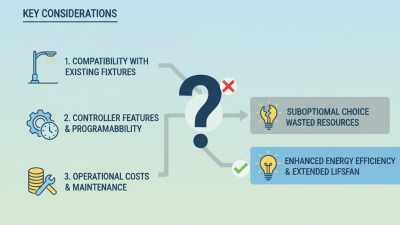
These control panels enhance energy management and reduce maintenance costs. However, challenges remain. Many cities struggle to integrate existing infrastructures with new technologies. Balancing innovation with practicality is crucial. As we explore the best options for Street Light Control Panels, we must also consider their potential limitations and the need for continuous improvement.
Overview of Street Light Control Panels in Smart Cities
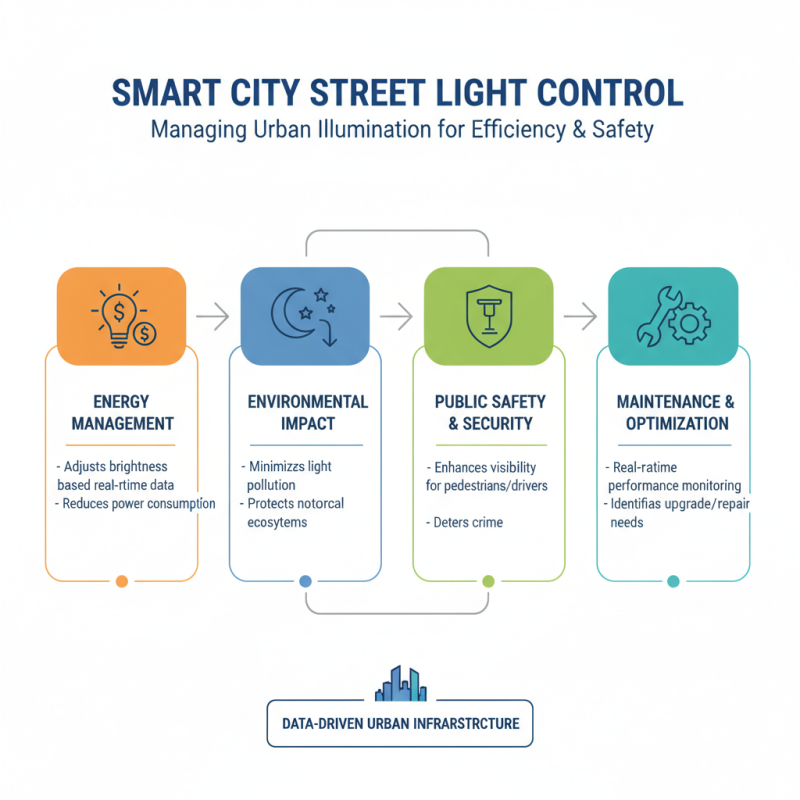
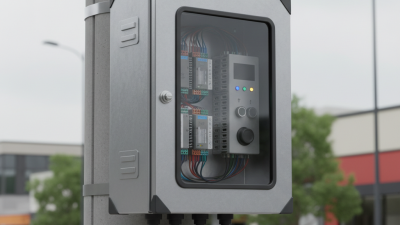
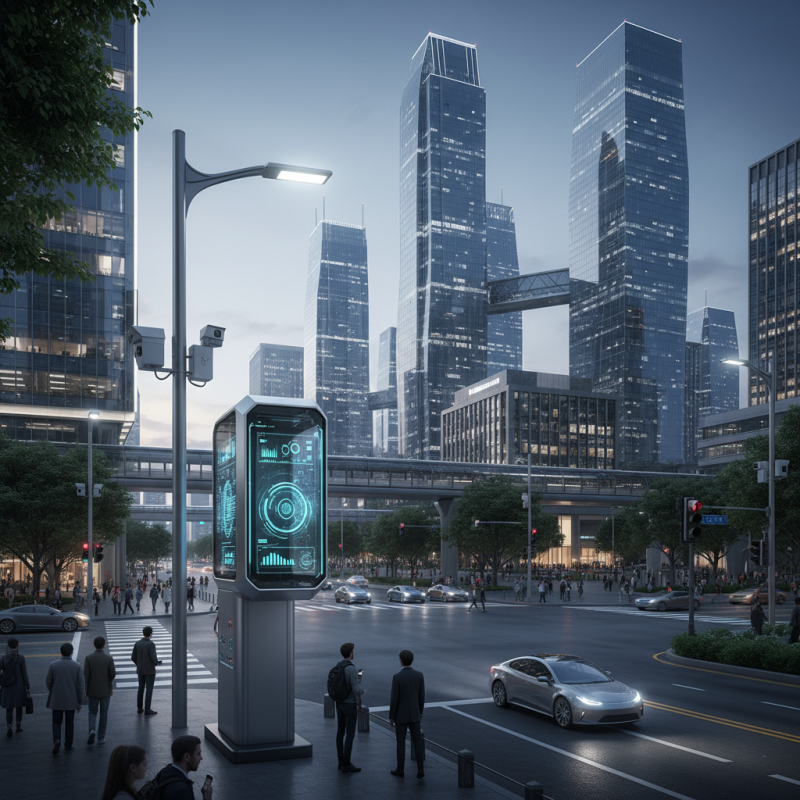
Street light control panels are crucial elements in the infrastructure of smart cities. These panels manage energy consumption by adjusting brightness based on real-time data. They help reduce light pollution and improve safety. The ability to monitor streetlight performance is vital. Data collected can pinpoint areas that need maintenance or upgrades.
Implementing these systems isn’t always straightforward. Cities face challenges like budget constraints and varying technical standards. Not every panel integrates well with existing infrastructure. Some systems may offer advanced features, but they might not suit every city’s needs. A one-size-fits-all approach often leads to inefficiencies.
Reliability is another concern. A control panel might work perfectly in a few locations but fail in others. The environmental factors, like weather and electrical infrastructure, can influence performance. Continuous testing and iteration are necessary to improve these technologies. Cities must remain flexible, adapting their strategies as new solutions become available.
Key Features to Look for in Smart Street Light Control Panels
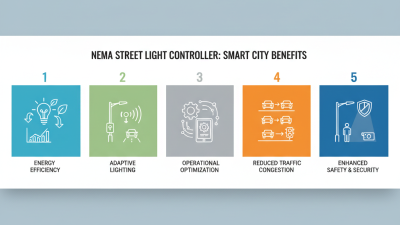
When considering smart street light control panels, several key features should be prioritized. One crucial aspect is energy efficiency. A robust system allows for adaptive brightness. This means lights can dim or brighten based on real-time traffic conditions. Such adaptability optimizes energy usage. Smart cities require a solution that reduces waste and cuts costs.
Another important feature is remote monitoring capabilities. A reliable control panel should enable city operators to manage lights from a distance. This helps in addressing outages promptly. A dashboard displaying real-time data enhances decision-making. It can also track maintenance needs, ensuring lights are always operational.
Interconnectivity is also essential. The best panels can integrate with other city systems. This creates a holistic approach to urban management. Cities can benefit from shared data, leading to improved public services. However, integrating these technologies can pose challenges. Cybersecurity remains a concern. Ensuring a secure system is vital for protecting sensitive data. Striking a balance between innovation and safety requires careful consideration.
Best Street Light Control Panel Options for Smart Cities
| Feature |
Description |
Importance |
Technology Used |
| Remote Monitoring |
Allows real-time tracking of light performance and energy consumption. |
High |
IoT Sensors, Cloud Computing |
| Dimming Capability |
Adjusts brightness based on time of day and pedestrian traffic. |
Medium |
Smart Controllers, Algorithms |
| Energy Efficiency |
Minimizes power consumption through advanced technologies. |
High |
LED Technology, Wireless Communication |
| Integration Capabilities |
Seamlessly connects with other smart city infrastructure. |
High |
APIs, Open Protocols |
| Data Analytics |
Analyzes data for trends and predictive maintenance. |
Medium |
Machine Learning, Big Data Tools |
| User Interface |
Easy-to-navigate dashboards for operational oversight. |
Medium |
Web-based Platforms, Mobile Apps |
Benefits of Implementing Smart Street Light Control Systems
Smart street light control systems offer numerous benefits for urban environments. These systems enhance
energy efficiency by adjusting light intensity based on real-time data. This means lights can dim when no activity is detected,
reducing energy consumption significantly. Cities can save on electricity costs and lower their carbon footprint.
Moreover, smart control panels improve public safety. They can adapt lighting in response to emergency situations.
When an incident occurs, lights can brighten to guide first responders.
Additionally, integrating sensors allows for better monitoring of pedestrian and vehicle movement, promoting safer streets.
The reliability of these systems can sometimes raise concerns. Technical issues may lead to service interruptions.
Cities need to ensure they have protocols in place for maintenance and troubleshooting.
Urban planners must weigh these factors when implementing such advanced technologies.
Balancing innovation with practicality is essential for sustainable urban growth.
Top Brands and Models of Street Light Control Panels
Street light control panels play a crucial role in developing smart cities. These panels are essential for efficient street light management. Various brands design advanced models to meet modern demands. According to recent industry reports, cities can reduce energy consumption by up to 30% with smart lighting systems. This highlights the importance of selecting the right control panel.
When choosing a street light control panel, consider functionality and reliability. Look for features like remote monitoring and automated dimming. These elements contribute to energy savings and enhanced safety. A study from a leading urban planning institute shows that smart street lighting can decrease crime rates by 20% in urban areas. Brands offering these innovative solutions can provide essential insights.
Tips: Evaluate the installation and maintenance costs of different models. Some panels may have hidden fees which can impact budget planning. Additionally, choose designs with user-friendly interfaces for easier operation. Always seek feedback from other cities that have adopted smart street technologies to understand real-world performance. This information can guide your decisions effectively.
Future Trends in Street Light Control Technology for Urban Areas
The evolution of street light control technology is gaining momentum in urban areas. Cities are increasingly adopting smart street light systems to enhance energy efficiency. A recent report highlighted that smart lighting can reduce energy consumption by up to 60%. This shift not only lowers costs but also curbs carbon emissions significantly.
An analysis from industry experts reveals that the integration of IoT and AI will redefine street lighting. Sensors that detect motion and adjust brightness accordingly are becoming standard. They can lead to a significant reduction in maintenance costs. However, there are concerns about cybersecurity. As cities connect their infrastructure, sensitive data could be vulnerable to attacks.
Looking ahead, adaptive lighting systems may become the norm. These systems can communicate with other urban assets, like traffic signals, optimizing overall city operations. Yet, many cities struggle with outdated infrastructure. They need to balance advancements with existing limitations. The path to smarter streets is promising, but challenges remain in implementation and funding.