Top 10 Benefits of Street Lighting Control Systems for Cities
Street Lighting Control Systems have become essential for modern urban infrastructure. These systems optimize energy use and enhance public safety. Cities face unique challenges in managing street lighting. Traditional lighting methods often lead to inefficiencies and high operational costs.
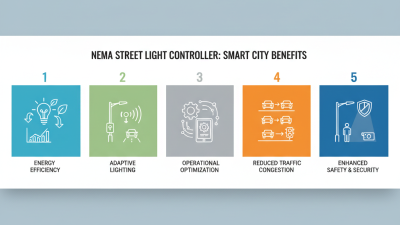
Street Lighting Control provides cities with opportunities to improve their lighting infrastructure. Smart controls allow for real-time monitoring and adjustments based on weather and traffic patterns. This can lead to significant energy savings. Moreover, the implementation of these systems can foster a sense of community safety.
However, not all cities have adopted these technologies. Some may face budget constraints or lack technical expertise. The journey to efficient street lighting requires thoughtful planning and investment. Overall, the benefits of Street Lighting Control Systems cannot be ignored. They pave the way for smarter, safer, and more sustainable cities.

Overview of Street Lighting Control Systems in Urban Environments
Street lighting control systems have become essential in modern urban environments. These systems allow cities to manage their lighting more efficiently. Through smart technology, municipalities can adjust lighting levels based on real-time conditions. This not only saves energy but also enhances public safety. In areas with heavy pedestrian traffic, brighter lights can be activated when needed. Conversely, in quieter sections, lights can dim to conserve energy.
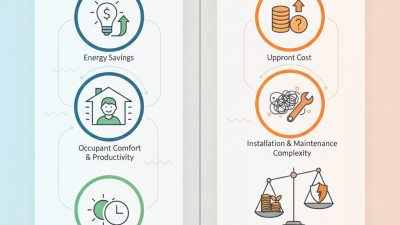
Implementing street lighting control systems does come with challenges. Initial installation costs can be high. There's also a learning curve for municipal staff to efficiently operate these systems. However, the long-term benefits often outweigh the drawbacks. These systems can reduce energy use by up to 50%, leading to significant cost savings over time. Moreover, they contribute to a city's overall sustainability goals. While some may question the reliability of such technologies, advancements have improved their performance. Cities can achieve smarter, safer, and more sustainable environments through these innovative solutions.
Top 10 Benefits of Street Lighting Control Systems
Enhanced Energy Efficiency and Cost Savings through Smart Lighting
Cities around the world are focusing on smart lighting systems to enhance energy efficiency.
Street lighting control systems reduce energy consumption significantly. These technologies use
sensors and adaptive controls to adjust lighting based on real-time conditions. For example,
lights can dim when pedestrian traffic decreases, which not only saves energy but also extends
the lifespan of the bulbs.
By implementing smart lighting, cities can achieve substantial cost savings. Lower energy use
translates into reduced utility bills. Furthermore, maintenance costs decline due to the predictive
maintenance features of these systems. They can alert city officials when lights are malfunctioning
or require servicing. This proactive approach minimizes downtime and increases public safety.
Balancing cost and performance is essential. Cities must evaluate their specific needs before
investing. Careful assessment can lead to smarter decisions. Encourage community feedback to ensure
residents feel included in the planning process. Adjusting to technological changes can be
challenging, but the long-term benefits are undeniable.
Improving Public Safety with Adaptive Street Lighting Solutions
Adaptive street lighting solutions are crucial for enhancing public safety in urban environments. According to a report from the International Dark-Sky Association, well-lit streets can reduce crime rates by up to 20%. This highlights the importance of smart lighting systems that adjust brightness based on traffic and pedestrian activity. These systems promote safer neighborhoods by eliminating dark spots where crime can thrive.
Moreover, a study by the U.S. Department of Energy indicates that energy-efficient lighting can lower operational costs by 50%. Cities can reallocate these funds towards community programs or further safety initiatives. Implementing such technology requires careful planning and investment, yet the potential benefits are significant.
While many cities have embraced adaptive lighting, challenges remain. Not all communities see equal benefits. Areas with less funding may struggle to implement these systems, leading to disparities in safety. Authorities must address these gaps to ensure that all neighborhoods enjoy the advantages of improved street lighting. Effective communication and collaboration are needed to overcome these hurdles.
Top 10 Benefits of Street Lighting Control Systems for Cities
| Benefit |
Description |
Impact |
| Improved Public Safety |
Adaptive lighting adjusts brightness based on traffic and pedestrian activity. |
Reduces crime and accidents by enhancing visibility. |
| Energy Efficiency |
LED lights consume less energy and have a longer lifespan. |
Lower energy bills for cities. |
| Remote Management |
Street lighting can be controlled and monitored remotely. |
Quick response to outages and maintenance needs. |
| Reduced Maintenance Costs |
Fewer outages and longer-lasting lights decrease repair needs. |
Saves budget and municipal resources. |
| Environmental Benefits |
Lower energy consumption leads to reduced carbon footprint. |
Enhances sustainability efforts in cities. |
| Enhanced Aesthetics |
Stylish lighting fixtures improve the urban landscape. |
Attracts tourism and improves community pride. |
| Data Collection |
Systems can gather data on pedestrian and vehicle movements. |
Informs planning and decision-making for urban development. |
| Operational Flexibility |
Lighting can adapt to various situations like emergencies. |
Improves response time and public safety. |
| Community Engagement |
Involving residents in lighting design fosters a sense of ownership. |
Strengthens community ties and satisfaction. |
| Adaptability to Future Tech |
Can integrate with smart city solutions and IoT devices. |
Ensures longevity and relevance in urban infrastructure. |
Environmental Benefits of Implementing Street Lighting Control Systems
Street lighting control systems offer profound environmental benefits for urban areas. By utilizing smart technology, cities can reduce energy consumption significantly. These systems adjust lighting based on real-time data, ensuring that streets are only illuminated when necessary. This not only conserves electricity but also lowers greenhouse gas emissions.
Moreover, a reduction in energy usage leads to financial savings. Cities can reallocate the funds saved to other pressing environmental projects. However, the transition to these systems may require an initial investment and planning. Some infrastructure may need upgrades, and communities must adapt to changes in lighting patterns. It’s crucial to involve residents in discussions to address concerns and gather feedback.
Another vital aspect is the potential impact on local wildlife. Bright, constant lighting can disrupt ecosystems. Implementing control systems can help mitigate this issue by allowing for dimming in areas less frequented by pedestrians. Yet, cities must balance safety and ecological considerations. Striking this balance requires ongoing assessment and collaboration among city planners, environmentalists, and community members.
Integration of Smart Technologies in Municipal Infrastructure for Lighting
The integration of smart technologies in municipal infrastructure is transforming how cities manage street lighting. Modern street lighting control systems enable real-time adjustments to brightness based on traffic and weather conditions. By using sensors and connected devices, cities can reduce energy consumption. This not only lowers costs but also decreases their carbon footprint.
However, implementing these systems is not without challenges. There can be resistance due to budget constraints and the perceived complexity of new technologies. Municipalities must invest in training their staff and ensuring ongoing maintenance. This need for training underscores the importance of building a knowledgeable workforce that can manage and troubleshoot these systems effectively.
Despite these challenges, the benefits are noteworthy. Enhanced street lighting improves public safety and encourages nighttime activities. Smart systems can also help reduce light pollution, contributing to healthier urban environments. By contemplating these aspects, city planners can make more informed decisions when integrating smart lighting technologies. The journey towards smarter cities is ongoing and reflects a commitment to innovation and sustainability.