What is the Zhaga Controller and Why is it Essential for Your Projects?
The Zhaga Controller plays a pivotal role in modern lighting solutions. It provides a standardized interface for smart lighting systems, ensuring compatibility across various devices. As projects increasingly incorporate intelligent technologies, understanding the Zhaga Controller becomes essential.
This innovative component enables seamless communication between lighting fixtures and control systems. It facilitates the integration of sensors, dimmers, and other smart features. With its standardized approach, the Zhaga Controller enhances reliability and flexibility in lighting applications. However, some may hesitate to adopt this technology due to concerns over compatibility and implementation costs.
The benefits of incorporating the Zhaga Controller into your projects outweigh these concerns. Its use fosters energy efficiency and operational excellence. A deeper understanding of this technology can lead to more successful project outcomes. Moving forward, embracing the Zhaga Controller might be the key to unlocking new possibilities in your lighting projects.
What is the Zhaga Controller?
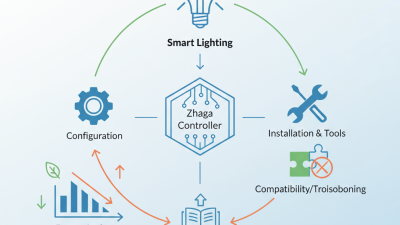
The Zhaga Controller plays a vital role in modern lighting systems. It acts as a bridge between the light fixtures and their power sources. This device ensures that the communication between all components is smooth and efficient. Its main function is to enable smart lighting control. This includes dimming capabilities and scheduling functions.
Understanding the Zhaga Controller is crucial for anyone involved in lighting projects. It standardizes how different parts of a system interact. This reduces compatibility issues, making installations more straightforward. Many projects struggle with mismatched components. The Zhaga Controller helps mitigate these challenges by adhering to universal design principles.
Designers and engineers often face hurdles when integrating various technologies. They must consider both current and future needs. The Zhaga Controller allows for flexibility and scalability, answering these concerns. Implementing this controller in projects can lead to fewer complications and more reliable systems. Despite the complexities involved in smart lighting, using a Zhaga Controller can simplify many processes. However, it demands a careful evaluation of project requirements to truly harness its potential.
Key Features of the Zhaga Controller
The Zhaga Controller is a vital component for modern lighting systems. It focuses on standardizing interfaces for connected lighting solutions. This means users benefit from versatile integration options. The controller enhances compatibility among different devices. By ensuring all components work seamlessly, it can streamline project execution.
Key features of the Zhaga Controller include its ability to support multiple communication protocols. This gives users flexibility when choosing devices. It enables real-time monitoring and adjustments, optimizing energy use. The user interface is designed for simplicity. This makes it accessible for anyone, regardless of technical expertise.
However, it's essential to reflect on potential challenges. Not all devices may be fully compatible, which could lead to integration issues. Additionally, users need to stay updated with evolving standards in the industry. This requires ongoing learning and adaptation. Despite its benefits, careful planning is crucial for successful implementation.
Benefits of Using Zhaga Controllers in Lighting Projects
Zhaga controllers have become crucial for modern lighting projects. These devices enable standardized communication between lights and control systems. According to recent reports, nearly 70% of lighting installations now integrate these controllers. This adoption leads to increased energy efficiency and better operational control.
Using Zhaga controllers comes with significant benefits. They allow for flexible lighting configurations. With the right setup, projects can minimize energy consumption by up to 40%. This efficiency not only reduces costs but also lowers carbon footprints. Such features are critical in today's sustainable building practices.
However, not all installations succeed. Some projects struggle with compatibility issues. Ensuring the right integration of Zhaga components requires careful planning and expertise. Lighting designers need to be aware of these challenges. A poorly executed project can undermine the potential benefits. Designers should continuously seek updated training and resources to avoid pitfalls.
What is the Zhaga Controller and Why is it Essential for Your Projects? - Benefits of Using Zhaga Controllers in Lighting Projects
| Feature |
Description |
Benefits |
| Standardized Interface |
Allows compatibility between different manufacturers' equipment. |
Reduces integration issues and facilitates easier upgrades. |
| Energy Efficiency |
Supports smart lighting controls that adjust use based on real-time data. |
Lowers energy costs and environmental impact. |
| User-Friendly Management |
Provides easy control and management through mobile or web applications. |
Enhances user experience and operational flexibility. |
| Improved Longevity |
Incorporates advanced thermal management and monitoring capabilities. |
Extends the lifespan of lighting fixtures. |
| Enhanced Control Options |
Supports various control protocols, including dimming and color control. |
Provides flexibility to meet different lighting requirements. |
How to Integrate Zhaga Controllers into Your Systems
Integrating Zhaga Controllers into your systems is crucial for optimizing lighting solutions. These controllers standardize the interface between lighting systems and sensors, making it easier to manage and upgrade. A report by the International Energy Agency suggests that smart lighting can reduce energy consumption by up to 75%. This can be a significant cost saver for businesses and urban planners alike.
When considering integration, start with a clear understanding of your system's architecture. Zhaga Controllers support various communication protocols, ensuring compatibility with different systems. Identify the areas needing improvement, like energy efficiency or user experience. Also, keep in mind that not every controller will suit every project; flexibility is key.
**Tips:** Prioritize systems that allow for easy updates. Look for long-term support in your components. Data from industry experts shows that projects adopting flexible solutions report 30% faster implementation times. This can drastically impact your project's success and return on investment. Integrating Zhaga Controllers isn’t just a technical decision; it's a step toward smarter, more sustainable infrastructure.
Integration of Zhaga Controllers in Projects
Future Trends in Zhaga Controller Technology
The Zhaga Controller is gaining traction in lighting solutions. Its design allows for seamless integration with smart lighting systems. As technology advances, there are a few interesting trends to consider.
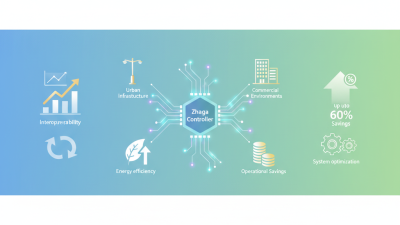
One significant trend is the shift towards greater interoperability. The demand for interoperable systems is growing. This means devices from various manufacturers should work together seamlessly. Such compatibility boosts project flexibility and reduces long-term costs. However, not all products currently meet this criterion. It’s essential to check specifications before making decisions.
Another key trend is the rise of energy-efficient solutions. Zhaga Controllers will play a crucial role in achieving better energy management. Advances in sensor technology will provide real-time data to optimize energy use. This shift may require projects to adapt existing systems. It’s vital to remain open to change and continuously assess project needs.
Tips: Stay updated on emerging technologies. Explore case studies to understand real-world applications. Engage with industry forums to gain insights and share experiences.