How to Use a Zhaga Controller for Smart Lighting Solutions?
The demand for smart lighting solutions is rapidly increasing. According to a recent report by MarketsandMarkets, the smart lighting market is projected to reach $36.3 billion by 2026. This growth highlights the need for efficient control systems. The Zhaga Controller offers a versatile approach to managing smart lighting.
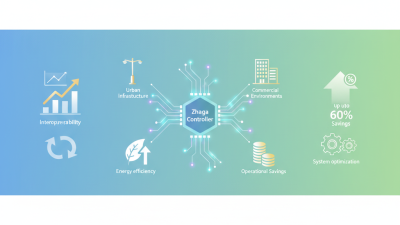
Zhaga stands for innovative lighting control standards. It allows interoperability between different manufacturers' products. This compatibility is essential as more users adopt smart lighting. Companies face challenges in integrating diverse lighting systems. The Zhaga Controller helps bridge this gap by providing a standardized solution.
However, implementation isn't without challenges. Many users may struggle with technical aspects and compatibility issues. Proper training is critical for teams to fully leverage the Zhaga Controller. Understanding its features can significantly enhance operational efficiency. The future of smart lighting relies heavily on these advancements. With ongoing developments, users must stay informed to maximize benefits.

Understanding the Basics of Zhaga Controllers in Smart Lighting
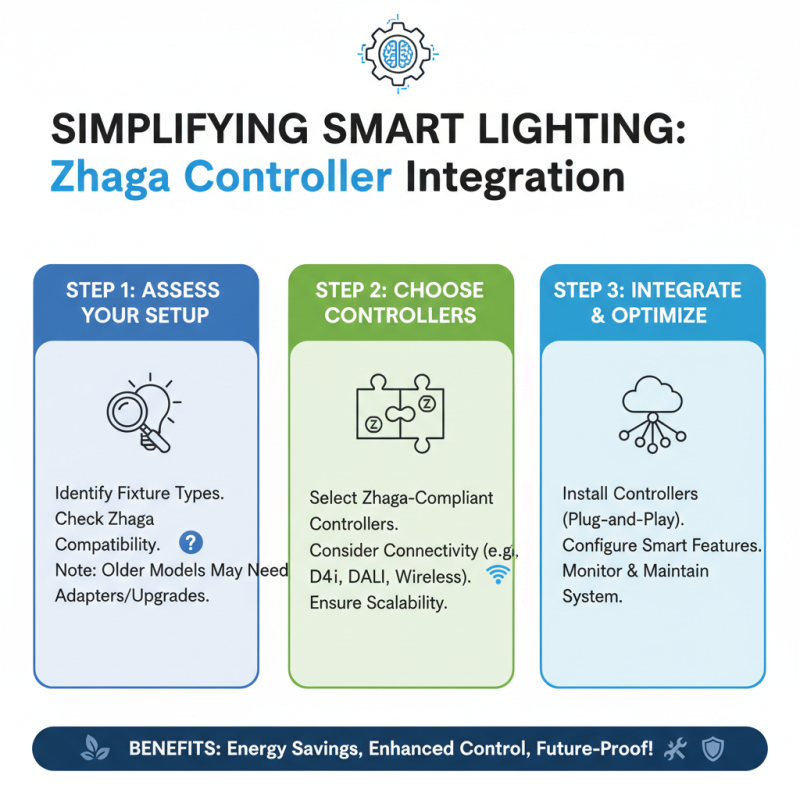
Zhaga controllers represent a significant leap in smart lighting solutions. These devices help standardize the communication between lights and their controls. Utilizing a Zhaga controller lets you connect various lighting fixtures efficiently. This compatibility simplifies installation and allows for seamless integration within existing systems.
Understanding the basics is crucial. Zhaga controllers provide an open standard for intelligent lighting. They support various protocols. This flexibility can sometimes lead to confusion. Users must ensure compatibility with chosen fixtures and systems. A mismatch can lead to frustrating outages or performance issues.
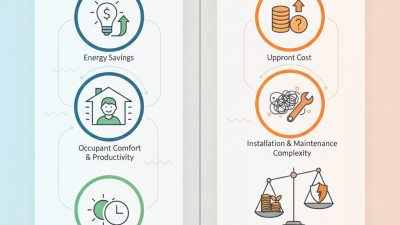
When setting up, consider your environment. Not all locations require complex controls. Simple setups might only need basic features. Reflect on whether advanced capabilities are truly needed for your space. A balance between functionality and simplicity often yields the best results. The learning curve for using a Zhaga controller can be steep, yet it's rewarding to see improvements in energy efficiency.
Zhaga Controller Usage in Smart Lighting Solutions
Key Components and Architecture of Zhaga Smart Lighting Solutions
The Zhaga standard outlines essential components for smart lighting solutions. At the core are Zhaga connectors, which enable easy integration of various light sources and control systems. These connectors facilitate versatility and adaptability across different lighting designs, making installations more streamlined.
Remote control units play a pivotal role in this architecture. They allow users to adjust brightness and color temperatures with simple interfaces. However, the integration of these units is not always smooth. Some users may encounter compatibility issues with existing systems. This challenge can hinder the seamless operation one might expect.
Additionally, sensors are crucial in optimizing lighting efficiency. They can detect occupancy and adjust lighting accordingly. While this sounds beneficial, misplaced sensors can lead to inadequate lighting in specific areas. Continuous testing and repositioning may be necessary to achieve the best results. A thoughtful approach to placement and functionality will help in maximizing the benefits of Zhaga smart lighting solutions.
Best Practices for Programming and Configuring Zhaga Controllers
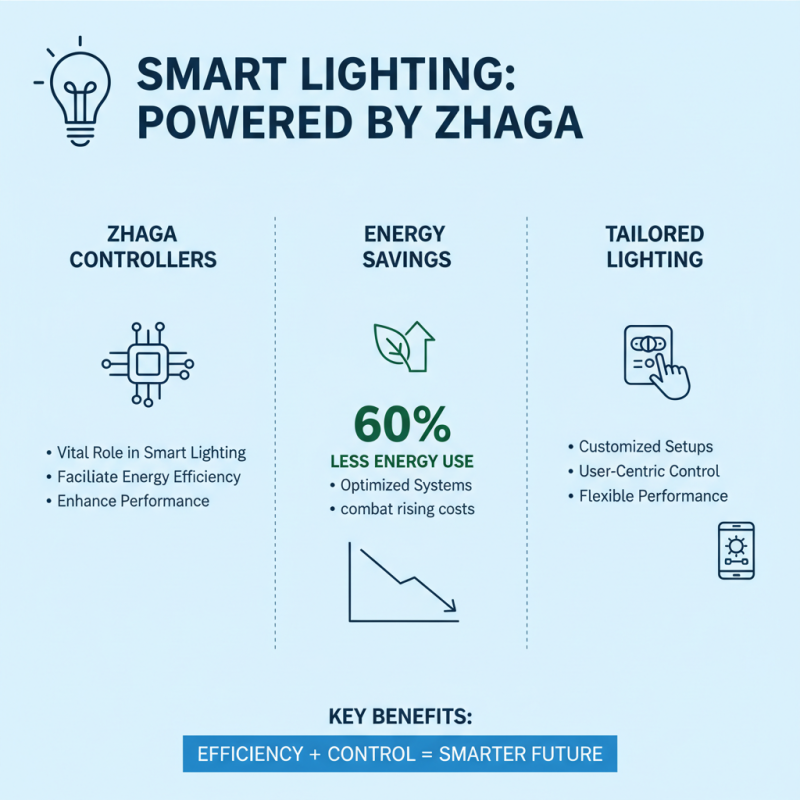
Zhaga controllers are vital for modern smart lighting systems. Configuring these devices correctly can make a significant difference. Reports show that smart lighting can reduce energy costs by up to 80%. Proper programming ensures you harness these savings effectively.
When setting up a Zhaga controller, start with a clear plan. Identify the areas needing light and the user requirements. A well-structured layout improves efficiency. Document your settings; this helps in future adjustments. Regular software updates are crucial. They can enhance functionality and security. Smart lighting technology evolves rapidly.
**Tip:** Utilize automated testing tools to verify your settings. This saves time and minimizes errors.
Take time to experiment with different configurations. Not every setting will yield optimal results. Track performance and gather feedback. Adapt your plan according to real-world usage. Remember, flexibility can lead to better outcomes. As the industry evolves, stay informed. Consider attending workshops or webinars for best practices.
How to Use a Zhaga Controller for Smart Lighting Solutions? - Best Practices for Programming and Configuring Zhaga Controllers
| Dimension |
Description |
Best Practices |
| Installation |
Proper mounting of the Zhaga controller in the fixture. |
Ensure secure connections and check orientation for optimal sensor performance. |
| Configuration |
Setting up network parameters and control protocols. |
Use software tools for ease; validate settings through simulations. |
| Programming |
Creating lighting control scenarios and schedules. |
Follow modular programming techniques for flexibility and scalability. |
| Testing |
Verifying performance under different conditions. |
Conduct field tests; adjust parameters based on real-world feedback. |
| Maintenance |
Regular checks and software updates for system longevity. |
Create a maintenance schedule and log changes to monitor progress. |