Top 10 Types of Street Light Poles for Global Buyers?
Street lighting is essential for urban safety and visibility. One key component is the Street Light Pole. Various types of street light poles cater to different needs and styles. Buyers must consider functionality and aesthetics.
When selecting a street light pole, it’s important to understand the options available. Materials such as aluminum, steel, and fiberglass offer distinct advantages. Factors like durability, cost, and weather resistance should guide decision-making. Each type serves different environments and purposes.
However, making the right choice can be daunting. Many buyers struggle to balance quality and budget. The market offers numerous designs, yet not all may suit specific needs. An informed decision requires careful research and consideration of local regulations. It’s worth reflecting on these factors to ensure a successful purchase.
Types of Street Light Poles: An Overview for Global Buyers
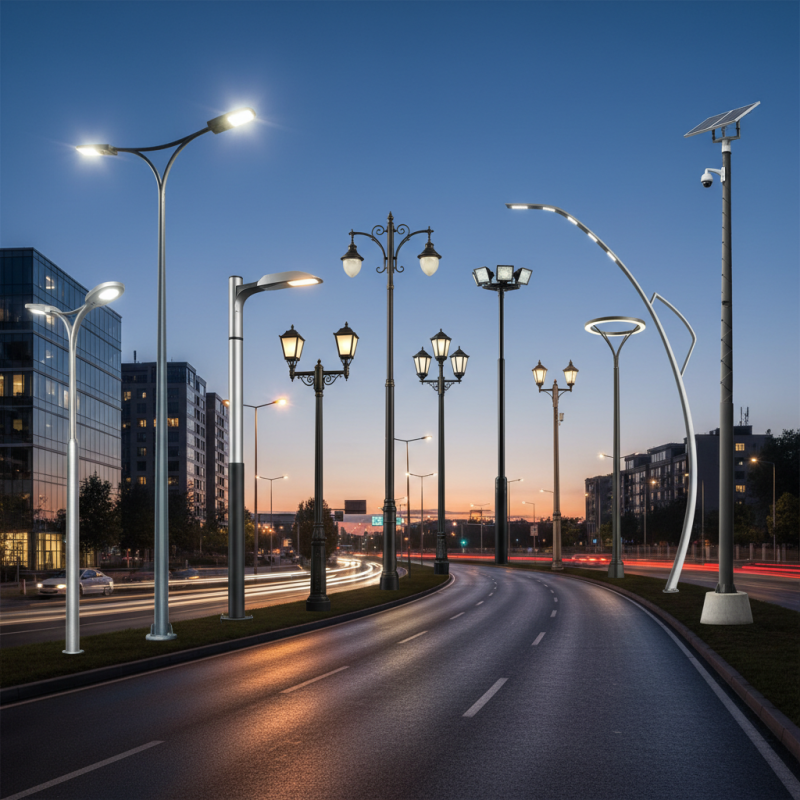
When selecting street light poles, global buyers face various choices. Each type serves distinct purposes and aesthetic needs, influencing both functionality and urban design. Familiarity with these options enhances decision-making.
Aluminum poles are lightweight and resistant to corrosion. They are popular in urban environments due to their sleek design. Steel poles offer robustness and durability, often used in areas with extreme weather. Concrete poles provide an impressive lifespan but can be challenging to install.
Wooden poles, while traditional, may require regular maintenance. They blend well into natural settings but are less common in urban areas. Decorative poles enhance visual appeal, contributing to city charm. However, they often come at a higher cost. Ultimately, the right choice depends on specific project goals and local conditions.
Top 10 Types of Street Light Poles for Global Buyers
Material Considerations for Street Light Poles: Aluminum, Steel, and More
When selecting street light poles, material choice significantly influences durability and cost.
Aluminum is lightweight and resistant to corrosion. This makes it a popular option in coastal areas where salt corrosion is a concern. According to a report by the International Lighting Association, aluminum street light poles can last up to 30 years with proper maintenance. However, they may not always withstand high winds as effectively as heavier materials.
On the other hand, steel poles offer strength and stability. They are often preferred for urban settings with heavy traffic.
A study by the National Steel Association indicates that steel poles can support larger fixtures and withstand harsher conditions. However, steel can be prone to rust if not properly coated. This signifies that maintenance is crucial to prolonging the lifespan of steel poles.
Additionally, fiberglass is gaining traction due to its resistance to extreme weather. While this material reduces corrosion risks, it can be more expensive upfront. Buyers must also weigh the environmental impact. Selecting a pole material can reflect both practical needs and sustainability efforts. Each option has its pros and cons, requiring careful evaluation of local climate and specific project needs.
Design Variations: Modern, Traditional, and Aesthetic Styles
Street light poles come in various styles, offering diverse choices for buyers globally. Among these options, design variations such as modern, traditional, and aesthetic styles have distinct characteristics. Modern poles are often sleek and minimalist, incorporating innovative materials and LED technology. They provide functionality while enhancing the urban landscape with their clean lines.
Traditional street light poles evoke a classic charm. These designs often feature ornate metalwork and decorative elements reminiscent of historic architecture. They can contribute to the character of older neighborhoods. Aesthetic styles blend artistic elements with practicality. They may include unique shapes, colors, or materials, creating focal points in public spaces.
Tips: When selecting a street light pole, consider the area’s architectural style. Match the pole design to the surrounding buildings. This creates cohesion in the environment. Additionally, think about maintenance. Intricate designs may require more upkeep than simpler styles. Aim for a balance between aesthetics and functionality. Ensure that the lighting meets safety standards while complementing the urban aesthetic.
Functionality Features: Smart Lighting and Energy Efficiency Options
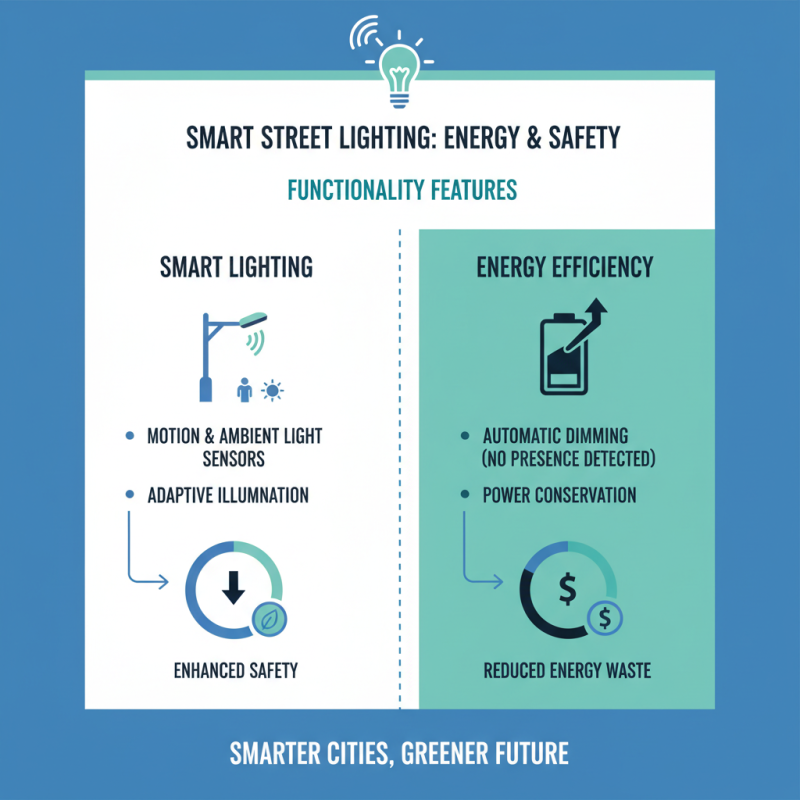
When selecting street light poles, functionality features play a crucial role. Smart lighting solutions are becoming more prevalent. These systems include sensors that detect motion and ambient light. This adaptability not only enhances safety but also reduces energy waste. For example, lights can dim when no one is present, effectively conserving power.
Energy efficiency is a key consideration for modern street lighting. LED technology is often used for its low energy consumption and long lifespan. These lights produce bright illumination while using minimal electricity. Some pole designs even incorporate solar panels. This innovation provides renewable energy, further lowering utility costs. However, installation can be complex, and initial costs may deter some buyers.
While these advanced features are appealing, there are challenges. Integrating smart technology requires careful planning and expertise. Improper setup can lead to malfunctioning systems. Additionally, municipal budgets may struggle to accommodate these advanced solutions. Buyers must weigh the benefits against potential hurdles to determine the best option for their communities.
Global Trends in Street Light Pole Selection for Urban Planning
Urban planning today heavily emphasizes the integration of sustainable and aesthetic street light poles. Designers and city planners aim to create an environment that balances safety and visual appeal. Street light poles have evolved significantly, incorporating new materials and innovative designs. These trends reflect a shift toward energy efficiency and environmental sustainability, which are crucial in modern urban landscapes.
The choice of street light poles also mirrors cultural values and community needs. For example, some cities prefer classic designs that evoke a sense of history. Others may opt for sleek, modern poles that symbolize innovation. However, not all designs fit every urban layout. Some may look out of place or fail to provide adequate illumination. It's essential for planners to balance aesthetics with functionality, ensuring that every installation serves its purpose effectively.
Moreover, technological advancements in lighting solutions offer new possibilities. Smart lighting systems can adjust based on pedestrian presence or light conditions. These systems contribute to energy conservation, but they also raise questions about maintenance and reliability. Urban planners must consider how these innovations fit into existing infrastructure to avoid costly mistakes in the future.