Top 10 Outdoor Lighting Control Systems for Smart Home Integration?
The evolution of smart home technology has transformed outdoor spaces, making them safer and more efficient. According to a recent market research report, the global outdoor lighting control system market is expected to grow by over 15% annually by 2027. This growth highlights the increasing popularity of advanced lighting solutions among homeowners.
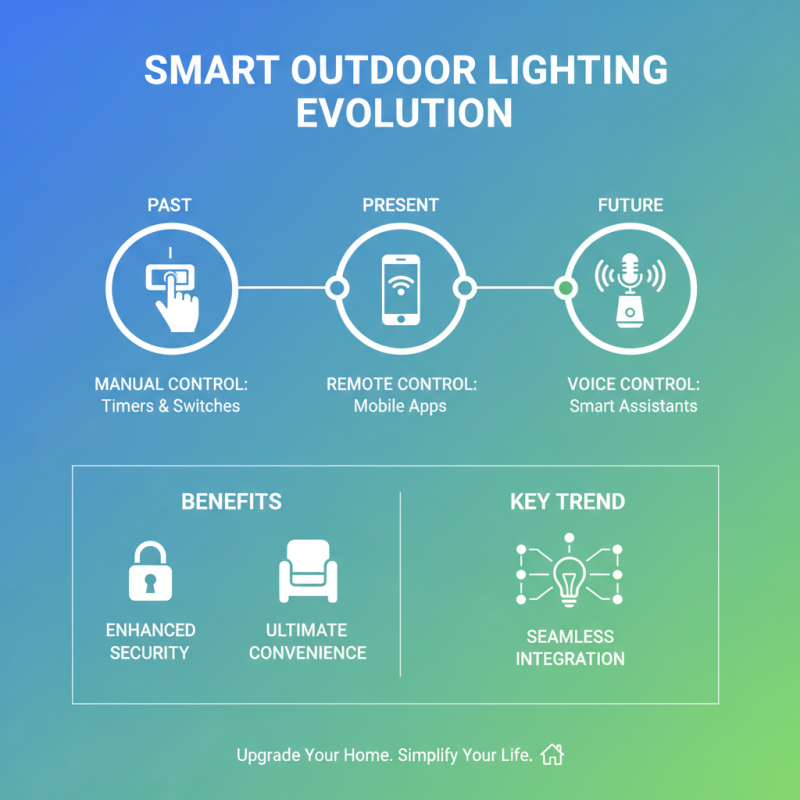
Outdoor lighting control systems are not just about aesthetics. They enhance security and energy efficiency. The integration of smart technologies allows users to manage their outdoor spaces through mobile applications or voice commands. However, despite the benefits, many users face challenges with installation and compatibility with existing systems.
Recognizing the significance of outdoor lighting, it’s crucial to evaluate which systems suit specific needs. With numerous options available, selecting the right outdoor lighting control system may be complex. Choices must consider factors like smart home compatibility and setup requirements. As we review the top systems available, reflections on their strengths and weaknesses become essential.
Overview of Outdoor Lighting Control Systems in Smart Homes
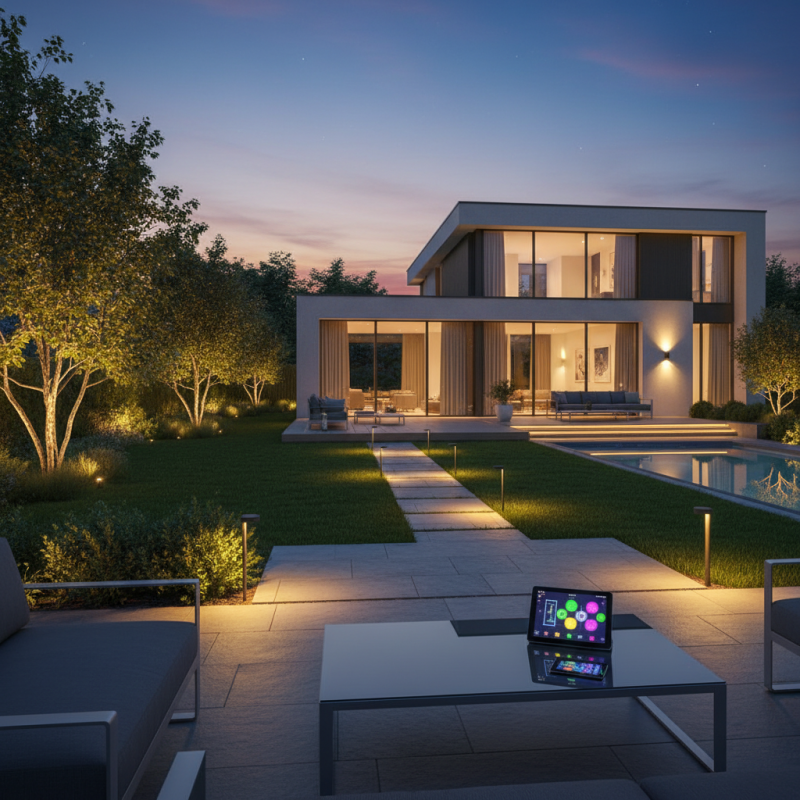
Outdoor lighting control systems have transformed the way we manage our exterior spaces. These systems offer
convenience and
energy efficiency. Homeowners can schedule lights or control them remotely. Imagine walking into a warmly lit yard as you return home at night.
Smart home integration allows for seamless communication between devices.
Motion sensors can trigger lights when someone approaches. This enhances
safety and comfort. However, some systems can be complicated to set up initially. Users may need time to learn all the features.
Connectivity is crucial for effectiveness. A system that doesn’t integrate well may lead to frustration.
Poor signal strength can cause delays in response times.
Additionally, weatherproofing and durability should be a priority when selecting equipment.
Not all products withstand the elements. Balancing technology with practicality is essential for a successful outdoor lighting experience.
Key Features to Consider When Selecting a Lighting Control System
When selecting an outdoor lighting control system, consider its compatibility with smart home devices. Integration is key for seamless operation. Look for systems that can connect with various platforms, offering flexibility and customization. Automated controls are an appealing feature. They allow lights to turn on or off at specific times, enhancing security.
Power consumption is another crucial aspect. Energy-efficient systems save money and reduce environmental impact. Look for systems with dimming capabilities. Dimming not only helps set the mood but also conserves energy. However, balancing brightness can be tricky. Too dim and it’s ineffective; too bright and it can be glaring.
Lastly, the ease of use matters. A complicated interface can lead to frustration. Systems with intuitive apps provide better control. Voice commands can also simplify operation. Think about installation as well. Some systems require professional installation, while others are DIY-friendly. It might seem easier to DIY, but it can often lead to mistakes that need correction later.
Top 10 Outdoor Lighting Control Systems for Smart Home Integration
Outdoor lighting control systems are crucial for smart home integration. These systems enhance security, aesthetics, and energy efficiency. A recent report highlights that smart outdoor lighting can reduce energy costs by up to 30%. This statistic shows the growing appeal of intelligent systems among homeowners.
When choosing a system, consider functionality. Some systems offer remote access via mobile apps. This feature allows users to adjust lighting from anywhere. Other systems use motion sensors to activate lights, providing convenience and reducing wastage. However, these technologies come with challenges. Not every system provides seamless integration. Compatibility issues may frustrate users, leading to less satisfaction.
The market for smart outdoor lighting continues to grow. A survey indicated that 68% of homeowners prioritize outdoor automation. Yet, many remain unaware of their options. Education and awareness are essential for maximizing benefits. Users should also think about the installation process. Complicated setups can deter adoption. Finding the right balance between technology and usability is key.
Top 10 Outdoor Lighting Control Systems for Smart Home Integration
Comparative Analysis of User Reviews and Performance
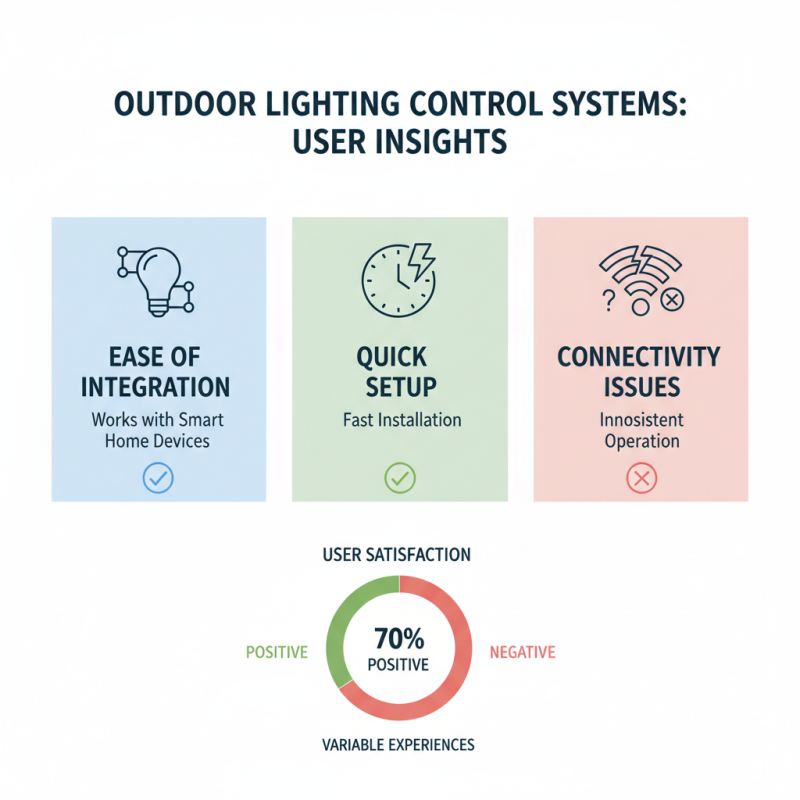
When exploring outdoor lighting control systems, user reviews provide valuable insights. Many users appreciate ease of integration with smart home devices. Quick setup is a highlight, but some users report connectivity issues. This variability can frustrate homeowners who expect seamless operation.
Performance also varies widely. Some systems offer advanced scheduling features and intuitive apps. However, others struggle with responsiveness. Users often mention delays in turning lights on or off. This can lead to dissatisfaction, especially for those aiming for automation. Inconsistent performance leaves room for improvement.
Aesthetics matter too. Many systems blend well with outdoor designs. Yet, others look bulky or dated. Users frequently reflect on the importance of style with functionality. These elements combined create a holistic outdoor lighting experience. Balancing user needs with technology's potential can be a challenge for developers.