Top 10 IoT Lighting Solutions for Global Buyers in 2026?
In the rapidly evolving world of IoT lighting, innovative solutions are reshaping our environments. According to a recent report by Research and Markets, the IoT lighting market is expected to reach $23.6 billion by 2027, growing at a CAGR of 25%. This growth highlights the increasing adoption of smart lighting technology in residential and commercial spaces. IoT lighting enhances energy efficiency and enables real-time monitoring, creating smarter and more sustainable living conditions.
The impact of IoT lighting extends beyond mere convenience. A study by Grand View Research indicates that efficient lighting systems can reduce energy consumption by up to 80%. This statistic backs the urgent need for businesses and homeowners to consider smart lighting options. However, as the market expands, buyers face challenges in navigating numerous products and solutions. With varying standards and compatibility issues, the selection process can feel overwhelming, often leading to implementation regrets.
Understanding the landscape of IoT lighting is crucial for global buyers. Knowledge of the top solutions available is essential. With a myriad of options, identifying the right technology can drive significant benefits. Investors and buyers must remain adaptable and informed to leverage the full potential of IoT lighting while acknowledging the hurdles that come with new technology.

Leading IoT Lighting Trends Shaping the Market in 2026
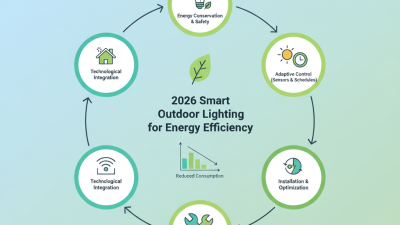
As the IoT lighting market evolves, several trends are shaping its future. According to a 2023 report from MarketsandMarkets, the global smart lighting market is projected to reach $30.8 billion by 2026. This substantial growth highlights a rising demand for interconnected lighting solutions across various sectors, including residential, commercial, and industrial.
One of the leading trends is the integration of artificial intelligence (AI) in smart lighting systems. AI enables more efficient energy consumption and personalizes user experiences. Reports indicate that up to 60% of users prefer systems that adjust lighting based on their activities. This flexibility is key for smart homes and modern workplaces.
Tips: Consider energy-saving features when choosing IoT lighting. These options not only reduce costs but also support sustainability goals.
Another trend is the increased use of energy-efficient LEDs. Research shows that LEDs consume up to 75% less energy than traditional bulbs. This can lead to significant cost savings over time. However, not all LED products are created equal. Quality varies widely, and buyers must be discerning.
Tips: Research product specifications and reviews to ensure you invest in high-quality LED lighting solutions.
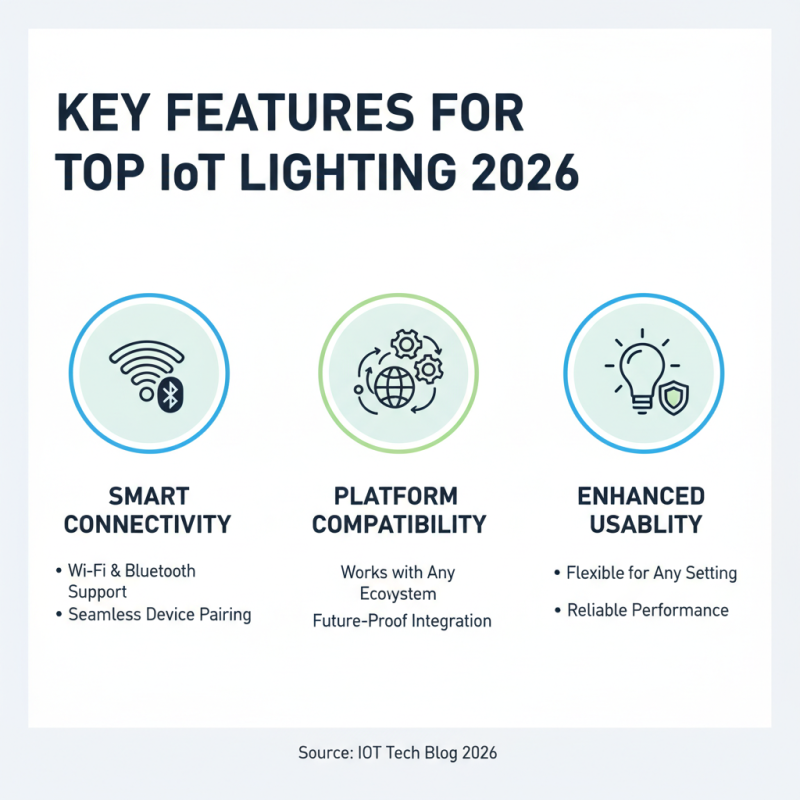
Also, connectivity remains a crucial factor. The demand for IoT-enabled lighting is driven by the desire for greater control. Consumers want their lights to be integrated with other smart devices. This interconnectivity offers both convenience and enhanced functionality, paving the way for smarter living environments.
Innovative Technologies Enhancing IoT Lighting Solutions
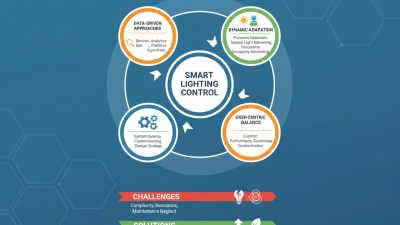
The IoT lighting sector is evolving rapidly. Innovative technologies are driving efficiency and connectivity. A recent report indicates that the global smart lighting market is projected to reach $29 billion by 2026. This growth demonstrates a surge in demand for IoT-enabled solutions. Advanced sensors and controls are at the forefront of this transformation. They allow users to optimize energy use and enhance convenience.
Wireless communication technologies like Zigbee and Bluetooth Mesh are crucial. These protocols ensure seamless integration with various smart home devices. According to industry studies, smart lighting can reduce energy consumption by up to 80%. However, challenges remain. Interoperability between different systems often complicates user experience. Moreover, data security concerns can hinder widespread adoption.
The application of AI and machine learning in IoT lighting is also noteworthy. These technologies can analyze user behavior patterns for enhanced efficiency. However, leveraging data responsibly raises ethical questions. The need for reliable solutions remains imperative. As innovations emerge, the market must adapt to address security and integration issues. The impact of these technologies will shape the future of lighting solutions globally.
Top 10 IoT Lighting Solutions for Global Buyers in 2026
| Solution Name |
Technology Type |
Connectivity |
Key Features |
Target Market |
| Smart LED Panel |
LED |
Wi-Fi |
Energy efficient, remote dimming |
Commercial |
| Smart Street Light |
LED |
LoRaWAN |
Adaptive brightness, sensors |
Urban |
| Smart Home Bulb |
LED |
Zigbee |
Voice control, color change |
Residential |
| Smart Lighting Control System |
Integrated |
Bluetooth |
Centralized control, usage analytics |
Commercial, Industrial |
| Smart Emergency Lighting |
LED |
Wi-Fi |
Self-test, automatic activation |
Public Buildings |
| IoT-Enabled Track Lighting |
LED |
Mesh |
Adjustable focus, energy monitoring |
Retail |
| Smart Garden Lights |
Solar LED |
Bluetooth |
Automated timers, weather resistance |
Residential, Gardening |
| Smart Light Switch |
Smart Switch |
RFID |
Remote control, scheduling |
Residential |
| IoT Intelligent Decorative Lights |
LED |
Wi-Fi |
Color effects, motion sensors |
Residential, Events |
| Connected High-Bay Lights |
LED |
Zigbee |
High-efficiency, occupancy sensors |
Industrial |
Major Global Players in the IoT Lighting Industry
The IoT lighting sector is rapidly evolving. Major global players are embracing innovative technologies. They aim to enhance energy efficiency and user experience. Businesses are adopting smart solutions to meet consumer needs.
Leading firms focus on integration. They are developing systems that interact seamlessly with other devices. This creates a more holistic smart home experience. As a buyer, consider the compatibility of lighting solutions with existing setups. Also, examine data security features to ensure privacy.
Tips for buyers:
- Research energy consumption ratings. Efficient systems can lead to cost savings.
- Investigate customization options as well. Personalized settings can greatly improve your overall satisfaction.
- Don't ignore scalability—solutions should grow with your needs. The right choice today can significantly impact your future.
Predicted Market Growth and Opportunities for Buyers in 2026
In 2026, the global IoT lighting market is poised for significant growth. As cities embrace smart solutions, buyers will find numerous opportunities in energy-efficient technologies. The demand for connected lighting systems is expected to surge. This includes smart LEDs equipped with advanced sensors and data analytics capabilities.
Tip: Explore partnerships with local governments and businesses to broaden your reach. Many municipalities are looking to modernize their infrastructure. By collaborating, you can tap into lucrative projects that enhance energy efficiency and public safety.
However, competition will be fierce. Buyers must stay informed about emerging technologies and consumers' changing preferences. The integration of AI and machine learning into lighting systems offers exciting possibilities. Yet, it is crucial to evaluate these options critically. Not every trend will lead to success.
Tip: Assess the scalability of the solutions you consider. Products that seem cutting-edge today might fall short in future applications. Buyers should prioritize flexibility in their investments. This ensures your choices remain relevant in a fluid market. Such foresight will empower you to navigate the evolving landscape of lighting solutions effectively.