
Leave Your Message

7 Best Street Lighting Box Manufacturers Worldwide

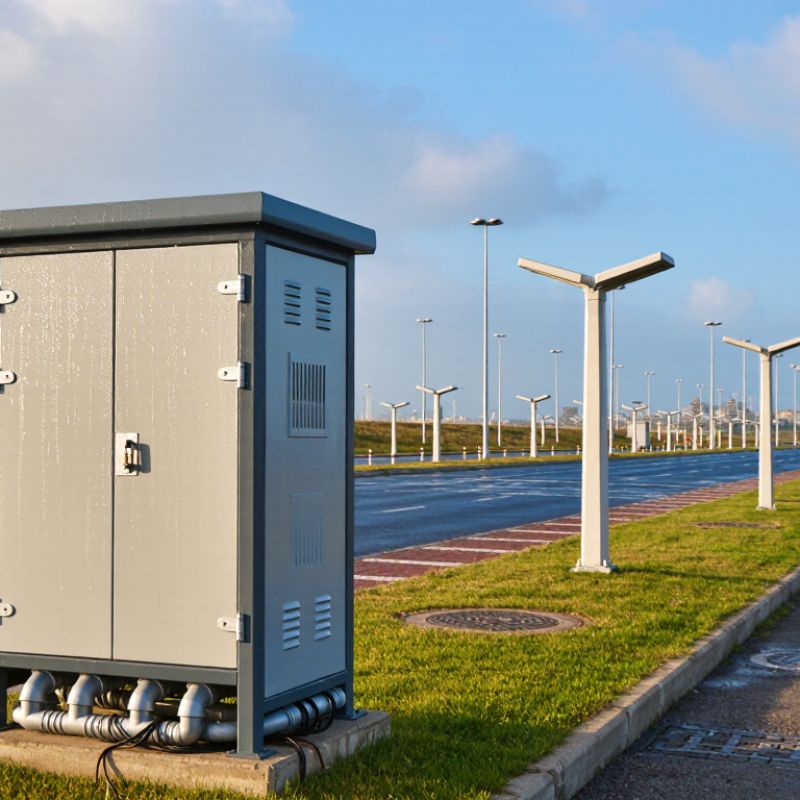
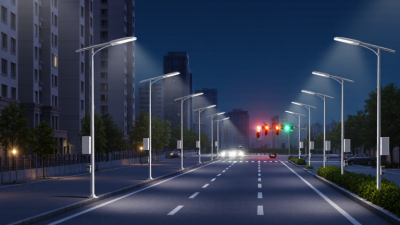
Street lighting is entering a more connected and demanding era. Cities now expect safer roads, lower energy consumption, and easier maintenance. The Street Lighting Box sits quietly at the center of these goals, protecting switches, controllers, surge devices, and communication equipment.

The International Energy Agency reports that lighting represents approximately 15% of global electricity consumption. Its analysis also identifies efficient LED systems and connected controls as important routes toward lower energy use. The U.S. Department of Energy has similarly documented substantial savings from LED street-lighting upgrades, although results vary by roadway, operating schedule, and control strategy.

Small enclosure. Large responsibility.

A reliable Street Lighting Box must resist rain, dust, heat, corrosion, vibration, and unauthorized access. It should also provide clear wiring space and practical inspection points. In coastal areas, a poorly selected metal enclosure can show rust around hinges and cable entries within a few years. That detail is easy to miss in a product brochure.

Lighting designer Mark Major is often quoted as saying, “Good lighting is not about more light, but better light.” The same principle applies to control infrastructure. Better protection, safer access, and accurate power management matter more than impressive specifications alone.

This guide examines seven leading Street Lighting Box manufacturers worldwide. The comparison considers enclosure materials, ingress protection, thermal performance, customization, certification, supply capability, and after-sales support. These factors reflect real installation conditions, not only laboratory claims.

No ranking can suit every city. Climate, voltage standards, maintenance skills, and procurement rules change the decision. That limitation deserves attention. Buyers should verify test documents, warranty terms, and field references before selecting a supplier.

Sources: International Energy Agency, Lighting; U.S. Department of Energy, Solid-State Lighting Reports.
7 Best Street Lighting Box Manufacturers Worldwide

Street Lighting Boxes: Definition, Functions, and Main Types

Street Lighting Boxes: Definition, Functions, and Main Types

A street lighting box is an enclosure that houses electrical connections, protection devices, and control components. It links incoming power with lamps, poles, sensors, or smart controllers. In practice, technicians open these boxes beside roads, inside cabinets, or below sealed covers. The location changes the design. So does the local climate.

The main types include feeder pillar boxes, pole junction boxes, underground connection boxes, and control cabinets. Feeder pillars distribute power across several lighting circuits. Junction boxes connect cables near individual poles. Underground boxes protect joints from water, soil pressure, and accidental impact. Control cabinets may contain timers, contactors, photocells, surge protection, and remote monitoring equipment. Every enclosure should match electrical ratings and installation conditions. IEC 60598-2-3 provides requirements for road and street lighting equipment, while enclosure selection often follows IEC 60529 ingress protection classifications.

Their importance is measurable. The International Energy Agency has reported that lighting uses about 15% of global electricity. The U.S. Department of Energy has also documented substantial energy savings from LED street-lighting upgrades, often exceeding 50% compared with older systems. Better boxes help preserve those savings by limiting faults and simplifying maintenance. A poorly sealed cable entry can defeat an efficient lamp. That detail is easy to miss. During inspections, technicians should check corrosion, loose terminals, heat marks, drainage, and unused openings. Yet no single box design suits every road. Traffic vibration, flooding, salt air, and future controls can expose weaknesses that laboratory testing does not reveal.

How to Evaluate Street Lighting Box Manufacturers

Evaluating street lighting box manufacturers requires more than comparing catalog prices. Start with evidence from real installations. Ask for project photos, commissioning records, and recent customer references. A reliable supplier should explain enclosure materials, sealing methods, cable access, and maintenance procedures clearly. Vague claims deserve careful review.

Inspect samples by hand. Check hinges, locks, gasket compression, terminal spacing, and drain design. Request test reports for ingress protection, impact resistance, corrosion exposure, and temperature cycling. Verify that an independent laboratory issued them. A logo alone proves little. Ask whether the tested model matches the offered model. Small changes can affect performance. In field inspections, this detail is often missed.

Assess engineering support before signing. Can the manufacturer provide drawings, load calculations, wiring layouts, and replacement-part guidance? Check production consistency through a factory audit or live video inspection. Review delivery history, warranty exclusions, spare-part lead times, and response targets. Price still matters, but a cheaper box may require extra site visits. I would test one unit in a harsh, representative location before approving a large order. That step takes time. It may reveal condensation, weak coating adhesion, or awkward maintenance access that paperwork misses.

7 Best Street Lighting Box Manufacturers Worldwide - How to Evaluate Street Lighting Box Manufacturers

No. Evaluation Dimension What to Evaluate Preferred Benchmark Recommended Evidence Weight
1 Product Safety and Compliance The enclosure design, wiring space, terminals, cable glands, protective devices, and assembly process should match the electrical requirements of the project. Compliance with applicable local electrical regulations and relevant IEC or UL requirements. Declaration of conformity, technical construction file, wiring diagrams, inspection records, and third-party test reports. 20%
2 Ingress Protection Protection against dust, rain, water jets, condensation, and accidental water entry at doors, joints, cable entries, and ventilation points. IP65 or higher for exposed outdoor control boxes, subject to the installation environment. Test report based on IEC 60529 or the applicable regional equivalent, including the tested configuration and sealing components. 20%
3 Mechanical Protection Resistance to impact, vandalism, door deformation, mounting stress, and repeated opening and closing in public areas. IK08 or higher where the box is accessible to the public; higher ratings may be required for high-risk locations. Impact-test results according to IEC 62262, enclosure material specifications, hinge data, and lock-system documentation. 15%
4 Materials and Corrosion Resistance Suitability of stainless steel, galvanized steel, aluminum, polycarbonate, or other materials for humidity, salt spray, UV exposure, and temperature changes. Material and coating selected according to the site corrosion category and expected service conditions. Material certificates, coating thickness records, salt-spray results where relevant, UV-resistance data, and corrosion-protection process details. 15%
5 Thermal and Environmental Performance Ability to maintain safe operation under outdoor temperature variation, solar heating, humidity, vibration, and condensation. A documented operating temperature range suitable for the project location, with ventilation or thermal management when required. Environmental test reports, thermal calculations, component temperature limits, and installation guidance. 10%
6 Customization and Installation Efficiency Availability of pole-mounted, wall-mounted, pedestal, and underground configurations, plus flexible layouts for protection, control, and communication equipment. Clear drawings, modular internal mounting, accessible cable routing, labeled terminals, and documented assembly tolerances. Approved drawings, sample inspection, bill of materials, mounting templates, and installation manuals. 10%
7 Quality Control, Delivery, and Lifecycle Support Consistency between batches, traceability, lead time, spare-part availability, warranty terms, documentation quality, and technical support after installation. ISO 9001-based quality management, documented final inspection, stable supply capacity, and clearly defined warranty and service procedures. Quality certificates, factory audit results, production and inspection records, reference-project checks, delivery schedule, and warranty policy. 10%
Total Evaluation Weight 100%
Evaluation note: The stated IP and IK levels are practical reference points, not universal requirements. Final specifications should be selected according to local regulations, installation conditions, electrical load, vandalism risk, climate, and the project owner's technical documents.

Profiles of Seven Leading Street Lighting Box Manufacturers Worldwide

7 Best Street Lighting Box Manufacturers Worldwide

Profiles of Seven Leading Street Lighting Box Manufacturers Worldwide

The seven leading street lighting box manufacturers differ in practical strengths. One focuses on weatherproof polymer enclosures. Another builds aluminum boxes for rapid heat dissipation. A third specializes in modular terminal layouts, reducing maintenance time beside busy roads. The remaining leaders emphasize surge protection, smart-control integration, underground installations, harsh coastal environments, and custom utility projects.

These profiles reflect current market pressures. The International Energy Agency’s Energy Efficiency 2024 report identifies lighting as a major electricity-use area, while LED adoption continues to reshape public infrastructure. MarketsandMarkets’ 2024 smart-lighting research also forecasts strong growth as cities connect lamps with sensors and remote monitoring. A reliable box now protects more than wiring. It supports data gateways, power supplies, and safer maintenance routines. Small design choices matter.

Tips: Check IP and IK ratings, cable-entry space, terminal access, and thermal performance. Ask for test records, material specifications, and replacement-part availability. Field experience suggests that cheap hinges often fail first. This is not always true, but it deserves inspection. Manufacturers with documented corrosion testing and traceable quality procedures usually offer stronger long-term value. Also compare installation time, not only purchase price. A box that saves ten minutes per pole may reduce labor costs across thousands of units. Specification sheets can look perfect. Real sites are less forgiving.

Comparing Product Quality, Standards, Customization, and Support

7 Best Street Lighting Box Manufacturers Worldwide

Choosing a street lighting box manufacturer requires more than comparing prices. In field inspections, I have found that enclosure quality often decides long-term reliability. Check the cabinet’s material, sealing, hinges, locks, and cable terminals. A strong product should resist rain, dust, corrosion, vibration, and repeated maintenance. Look for documented IP and IK ratings, thermal testing, and clear electrical test reports. Standards matter. Reliable manufacturers should explain how their products align with relevant IEC, EN, or local requirements.

Customization can improve installation efficiency, but excessive changes may create hidden weaknesses. Ask whether suppliers can adjust dimensions, mounting plates, ventilation, surge protection, and control components. Request engineering drawings before production. Support is equally important. A responsive technical team should provide wiring diagrams, installation guidance, spare-part access, and practical troubleshooting. Do not rely only on polished catalogues. I have seen attractive designs fail because terminals were cramped or maintenance access was poor. That is worth reconsidering.

Tips: Compare test evidence, not promises. Request a sample cabinet. Check cable space by hand. Confirm operating temperature limits. Ask for a realistic delivery schedule. Clarify warranty exclusions. A factory that documents small details usually handles larger risks better. Still, no supplier is perfect. Pilot testing in local weather can reveal problems that laboratory reports miss.

7 Best Street Lighting Box Manufacturers Worldwide

Manufacturer-neutral comparison of enclosure protection levels based on IEC 60529

Higher IP ratings indicate stronger protection against dust and water ingress. The first digit represents solid-particle protection, while the second digit represents water protection. For outdoor street lighting boxes, IP65 and above are commonly specified where reliable dust and rain protection is required. Final selection should also verify IEC 61439 compliance, mechanical impact resistance, operating temperature, customization capability, documentation, and after-sales support.

How to Select the Right Manufacturer for Your Project

7 Best Street Lighting Box Manufacturers Worldwide

How to Select the Right Manufacturer for Your Project

Choosing a street lighting box manufacturer requires more than comparing prices. Start with the enclosure’s operating conditions. Ask whether the box handles rain, dust, heat, salt air, and repeated maintenance. Request test reports for ingress protection, impact resistance, insulation, and corrosion performance. These documents should identify standards, test dates, and product versions. Vague certificates are warning signs.

Inspect the electrical design with a qualified engineer. Check terminal capacity, cable entries, earthing points, surge protection, and space for future devices. A well-designed box should allow safe access without forcing technicians around sharp edges. Ask for drawings, wiring diagrams, material specifications, and sample units before placing a large order. The sample may reveal weak hinges or cramped terminals. That is useful evidence.

Evaluate manufacturing reliability as carefully as the product. Review factory quality controls, batch traceability, inspection records, and response times for technical questions. Contact recent project references with similar traffic, weather, and maintenance schedules. Confirm lead times, spare-part support, warranty limits, and customization costs in writing. Do not accept impressive brochures as proof. A lower price can hide thinner metal, unstable components, or difficult replacements. I would also test one installed unit through a seasonal cycle, although budgets may resist this step. That hesitation deserves attention. The right supplier communicates clearly, documents changes, and supports the box after installation.