China Top 10 Street Lighting Control Solutions for Global Buyers?
As urbanization accelerates globally, efficient street lighting has become crucial. According to a report by ResearchAndMarkets, the global smart street lighting market is projected to reach $17.3 billion by 2026, growing at a CAGR of 21.2%. This growth is driven by the increasing demand for energy efficiency and smart city initiatives. Street Lighting Control systems play a pivotal role in this transition. They enable remote monitoring, result in significant energy savings, and enhance public safety.
Innovative solutions from China are leading in this field. Many Chinese companies are developing advanced street lighting control technologies. These include integrated smart sensors, real-time data analytics, and adaptive lighting solutions. However, despite these advancements, challenges remain. Issues like interoperability and system integration with existing infrastructure can hinder progress. Understanding these complexities is vital.
Global buyers must navigate the varied options available. Each solution offers unique benefits and potential drawbacks. Industry leaders emphasize the need for tailored approaches that consider local conditions. The right street lighting control system can transform urban landscapes but requires careful evaluation.
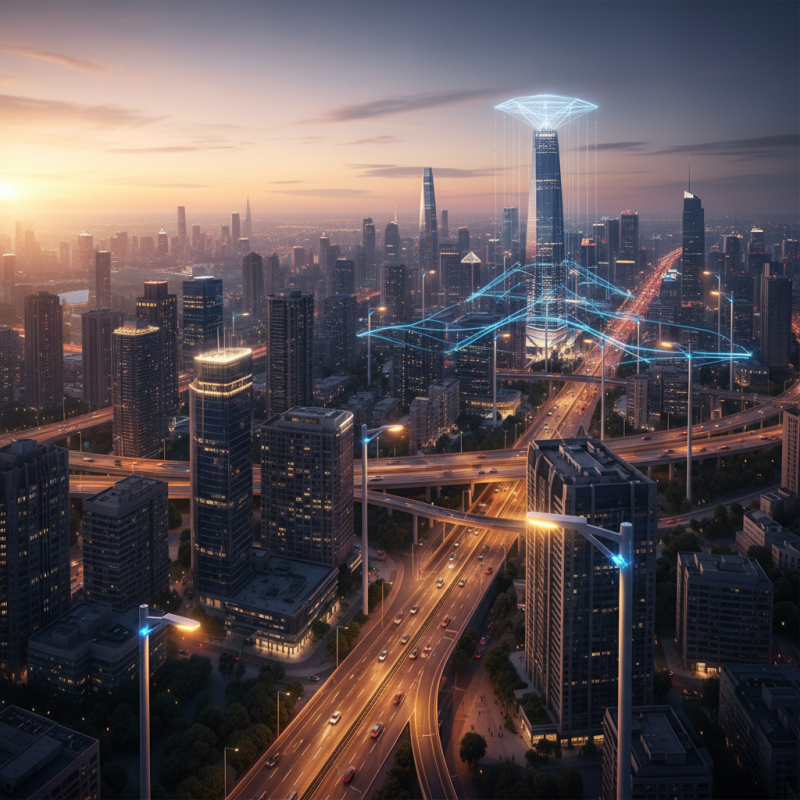
Overview of Street Lighting Control Solutions in China
In recent years, China's street lighting control solutions have gained significant attention. Advanced technology provides efficient control of public lighting systems. According to a report by ResearchAndMarkets, the global street lighting market is projected to reach $43.2 billion by 2026. This growth is partly driven by innovations from China.
Chinese manufacturers focus on smart lighting systems. These systems utilize sensors and IoT technology for automatic adjustments based on real-time data. For example, lights can dim in low-traffic areas. This responsiveness not only saves energy but also enhances public safety. In fact, a study by the China Urban Lighting Association indicates energy savings of up to 30% with these systems.
However, challenges persist. Some Chinese solutions lack comprehensive integration with existing urban infrastructure. This fragmentation can lead to inefficiencies. Additionally, compatibility issues may hinder global adoption. Local governments often need tailored solutions that fit their specific needs. Therefore, while China's offerings are promising, areas for improvement remain.
China Top 10 Street Lighting Control Solutions for Global Buyers
This chart presents an overview of the various street lighting control solutions available in China, showcasing their respective market share percentages. The data reflects the growing trends in smart lighting technologies and energy efficiency initiatives.
Key Features of Top Street Lighting Control Systems
In urban areas, effective street lighting is essential for safety and visibility. Innovative street lighting control systems have evolved to improve energy efficiency and reduce operational costs. These systems typically include features such as remote monitoring and real-time data analysis. Such capabilities allow city officials to track energy consumption and adjust settings based on specific needs.
One significant feature is dimming capabilities, which enable lights to reduce intensity during off-peak hours. This not only conserves energy but also enhances the longevity of lighting fixtures. Sensors can detect ambient light and adjust accordingly, ensuring optimal visibility at all times. However, it’s crucial to find the right balance. Over-lighting may lead to light pollution, while under-lighting can create safety hazards.
Another important aspect is connectivity. Advanced systems often integrate with smart city platforms. This interconnectedness provides valuable data for urban planning and resource allocation. Yet, reliance on technology also raises questions about data security and system vulnerabilities. Addressing these concerns is vital for the trusted implementation of street lighting solutions. Overall, focusing on integrated, responsive systems can significantly enhance urban environments.
Comparison of Chinese Solutions with Global Competitors
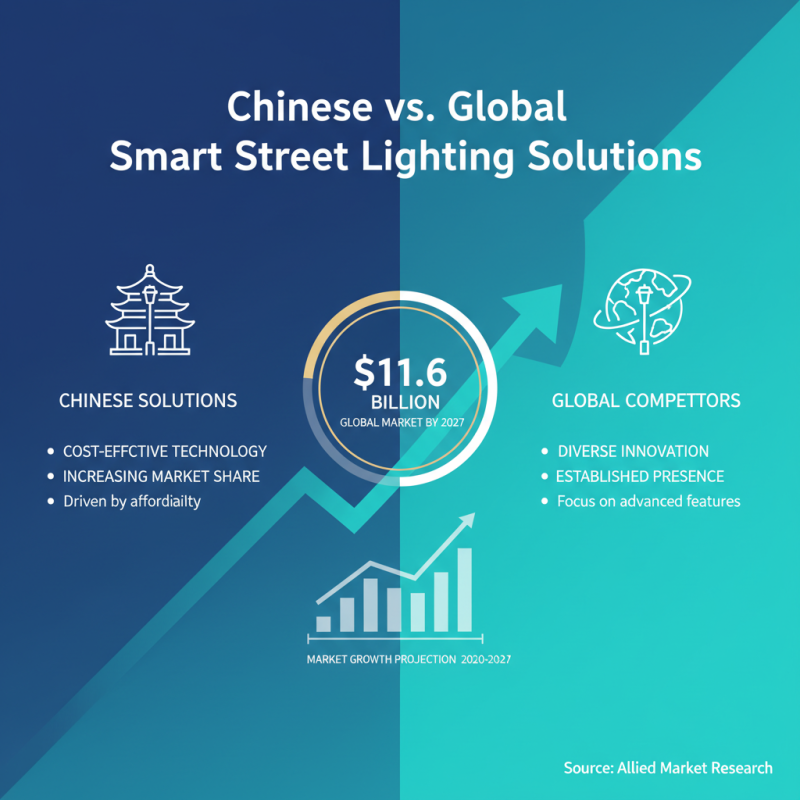
When evaluating street lighting control solutions from China versus global competitors, it's essential to consider various metrics. A recent report from Allied Market Research states that the global smart street lighting market is projected to reach $11.6 billion by 2027. This indicates a robust growth potential, with Chinese companies increasingly capturing market share due to their cost-effective solutions.
Chinese manufacturers often emphasize energy efficiency, leveraging advanced technologies. Their solutions frequently include smart sensors and IoT integration, enabling real-time monitoring and management. According to another study by ResearchAndMarkets, the implementation of smart street lighting can reduce energy consumption by up to 60%. However, the typical challenge is ensuring interoperability with existing infrastructures in various countries.
Despite the advantages, some Chinese solutions face scrutiny regarding reliability and adaptability in diverse environmental conditions. Not all products comply with international standards, leading to hesitations among global buyers. This inconsistency can pose potential issues in long-term projects. Market analysts recommend that buyers conduct rigorous evaluations and seek local partnerships to mitigate risks. Hence, the comparison not only reveals strengths but also highlights areas requiring improvement and adaptation.
Case Studies of Successful Implementations in Various Cities
Street lighting control solutions have transformed urban environments. Many cities are now adopting
smart lighting systems to enhance energy efficiency and public safety. For instance,
a city in northern China implemented an adaptive lighting system that adjusts brightness based on pedestrian movement.
This approach significantly reduced energy consumption during off-peak hours and improved nighttime visibility.
Another example can be found in southern China, where a network of solar-powered streetlights
was installed in a busy tourist area. This system uses real-time data to optimize light levels
based on foot traffic. While the initiative succeeded in increasing tourist safety and experience, there were challenges
related to maintenance and battery life. Regular assessments revealed that some lights were underperforming due to environmental factors,
prompting city officials to rethink placement strategies.
Additionally, a mid-sized city adopted a centralized control platform to monitor street lighting.
The platform allowed operators to detect outages quickly, enhancing response times.
However, this experience highlighted the importance of user training. Some staff
struggled with system navigation, leading to delayed repairs. These case studies illustrate that while
advanced street lighting solutions offer substantial benefits, continuous evaluation and adaptability
are essential to ensure long-term success.
Future Trends in Street Lighting Control Technology in China
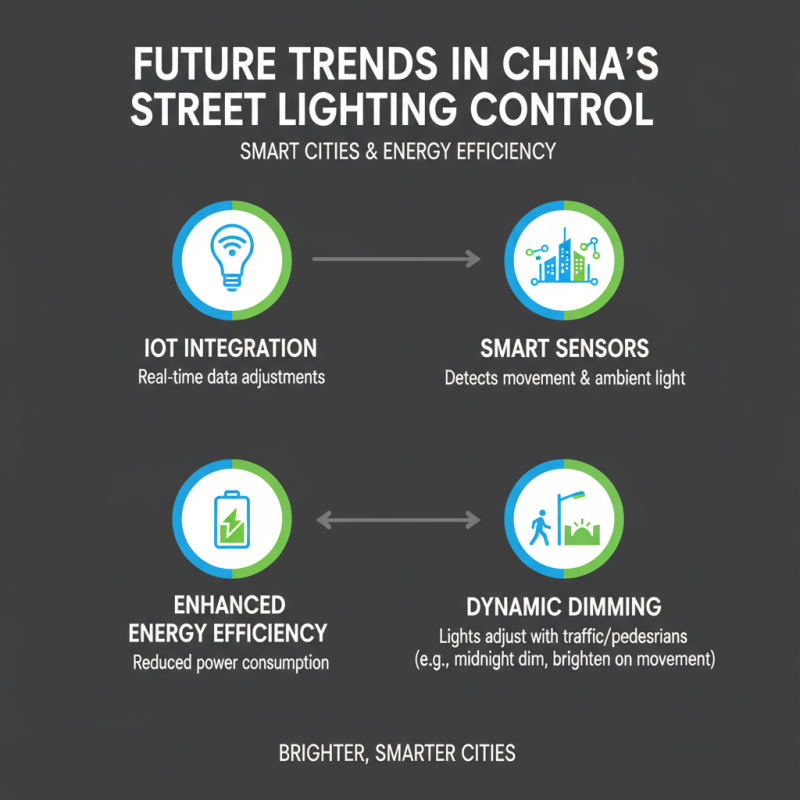
The future of street lighting control technology in China is bright, yet complex. With the rise of smart cities, innovations are evolving rapidly. Advances in IoT (Internet of Things) integration allow lights to adjust based on real-time data. This enhances energy efficiency significantly. Smart sensors detect movement and ambient light, minimizing energy use. Imagine lights dimming in low-traffic areas at midnight, only to brighten with pedestrian movement.
However, challenges remain. The initial cost of implementation can be high. Not all cities have the budget for this technology. Maintenance of such advanced systems is another concern. Over time, outdated parts may slow down progress. There is a need for ongoing training and development for technicians. This means the solution must be sustainable, not just technologically advanced.
Moreover, regulatory hurdles can slow down deployment. Local governments may be cautious due to uncertain regulations. Adapting to the rapid changes in technology can create anxiety. The focus on reliability is constant. City planners must balance cutting-edge solutions with practical applications. How will they ensure that new systems truly meet their communities' needs? The future is not just about lighting; it's about creating smarter environments for all.