Top 10 Tips for Choosing the Best Light Pole for Your Needs?
Choosing the right light pole is essential for safety and aesthetics. With numerous options available, making an informed decision can be challenging. According to a 2023 industry report by the International Lighting Association, the global light pole market is projected to reach $4.5 billion by 2025. This highlights the importance of understanding various features and specifications.
Expert John Smith, a recognized authority in urban lighting design, emphasizes, "Selecting the wrong light pole can lead to inadequate illumination and increased maintenance costs." His insights remind us that functionality and durability are key considerations. You need a light pole that not only fits your immediate needs but also withstands changing environmental conditions.
When assessing your options, consider factors such as height, material, and energy efficiency. A poorly chosen light pole could result in underwhelming performance or even safety hazards. Thoughtful evaluation is crucial, ensuring your investment pays off in the long run. Remember, each detail matters when illuminating your space effectively.
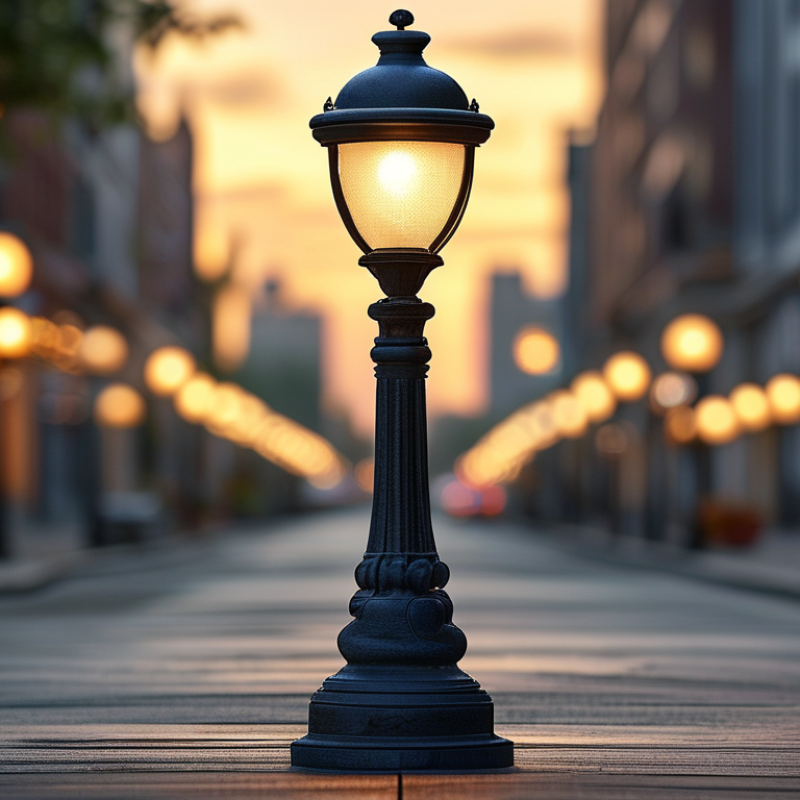
Choosing the Right Material for Light Poles: Aluminum vs. Steel vs. Fiberglass
Choosing the right material for light poles is crucial. Aluminum, steel, and fiberglass each have unique benefits.
Aluminum poles are lightweight and resistant to rust. They are ideal for coastal areas where salt can cause corrosion. Many people overlook this advantage when selecting materials.
Steel poles, on the other hand, offer strength. They can withstand harsh weather conditions. However, they tend to rust if not properly coated. This issue might not be evident at first but could lead to expensive repairs later. Considering long-term maintenance is essential.
Fiberglass poles are gaining popularity. They are resistant to corrosion and UV damage. Plus, they provide excellent insulation. However, they might not hold up as well under heavy winds. Balancing these factors is vital in your decision-making process. Each option has pros and cons. Reflecting on these can lead to a more informed choice.
Understanding Different Height Requirements for Various Outdoor Lighting Needs
When choosing a light pole, considering height is crucial. The height determines the spread of light and impacts visibility. For instance, residential areas often require shorter poles, usually between 10 to 12 feet. This height effectively illuminates pathways and front yards without causing glare.
On the other hand, parking lots or larger commercial spaces benefit from poles that reach 15 to 20 feet. Taller poles allow light to cover larger areas, enhancing safety and comfort for users. However, going too high can create shadows, which can be a safety concern. Finding the right balance in height is essential for optimal lighting performance.
Another factor to reflect on is the surrounding environment. Poles too tall for a low-profile area can look out of place. Conversely, in open parks or sports facilities, taller poles may be more appropriate. Each scenario requires a thoughtful evaluation of how the pole height aligns with its purpose and setting. Careful consideration helps ensure the lighting solution meets specific needs effectively.
Evaluating Light Pole Design: Aesthetic Considerations vs. Functional Needs
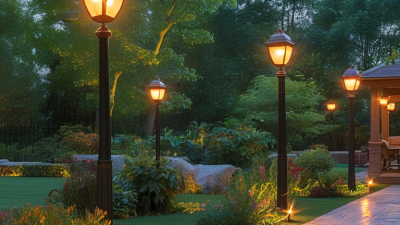
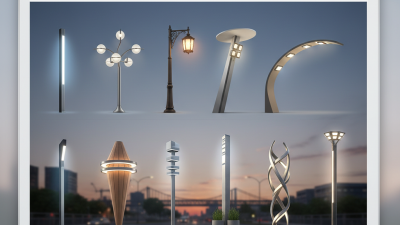
When selecting a light pole, aesthetic considerations and functional needs must be balanced. An attractive design enhances a space, encouraging usage. Research shows that well-lit public areas can reduce crime rates by up to 30%, making lighting selection essential. The design must align with the environment, providing both elegance and safety.
Functionality involves more than illuminating a space. Consider the durability, the light source type, and maintenance requirements. According to industry standards, LED lights have a lifespan of up to 50,000 hours. They not only save energy but also require less frequent replacement. A blend of style and efficiency is vital; a visually appealing pole might become obsolete if it offers poor visibility.
Additionally, local climate can impose limitations on material choices. For example, metal poles might corrode in coastal areas. Sustainable options are popular, but they can be costly. Striking a balance between aesthetic appeal and sturdy design requires careful thought and sometimes leads to regrets later. Understanding these aspects is key to a successful selection.
Top 10 Tips for Choosing the Best Light Pole for Your Needs
| Tip Number |
Consideration |
Description |
| 1 |
Purpose |
Identify the primary use of the light pole, such as street lighting, decorative purposes, or safety. |
| 2 |
Height |
Determine the height required for effective lighting in your area. |
| 3 |
Material |
Choose materials that withstand local weather conditions, like aluminum, steel, or fiberglass. |
| 4 |
Design |
Select an aesthetic design that complements the surrounding architecture and environment. |
| 5 |
Light Type |
Consider the type of lighting needed, such as LED, halogen, or fluorescent. |
| 6 |
Energy Efficiency |
Look for energy-efficient options to reduce electricity costs. |
| 7 |
Installation |
Evaluate the installation process and any required permits or regulations. |
| 8 |
Maintenance |
Consider the maintenance needs of the light pole, including accessibility for repairs. |
| 9 |
Cost |
Analyze your budget and consider the long-term investment in lighting solutions. |
| 10 |
Compliance |
Ensure the light pole complies with local codes and regulations for safety and performance. |
Cost Analysis: Initial Investment vs. Long-Term Maintenance for Light Poles
When selecting a light pole, understanding the cost implications is essential. The initial investment can vary widely. Depending on the material, height, and features, your upfront costs may be high. However, considering long-term maintenance costs is crucial. Cheaper poles might require frequent repairs or replacements, which can add up significantly over time.
Evaluate the type of environment the poles will be in. Coastal or industrial areas may necessitate corrosion-resistant materials. This decision impacts both the initial purchase and future upkeep. For more stability, consider poles with better wind rating. They may demand a higher initial cost but pay off through reduced maintenance.
When choosing a light pole, think about installation expenses. Factor in labor, permits, and site preparation. For larger projects, it may be wise to consult with an electrical engineer. Their expertise can guide you through design and compliance, ensuring reliability. These tips can lead to a well-informed decision, balancing costs with quality and longevity for your lighting needs.
Impact of Lighting Technology: LED vs. Traditional Lighting Systems on Poles
When choosing a light pole, it’s crucial to consider the type of lighting technology. The debate between LED and traditional lighting systems plays a significant role in this decision. LED lights are highly energy-efficient. They consume less power and have a longer lifespan compared to traditional bulbs. This efficiency translates to reduced operational costs over time.
On the other hand, traditional lighting systems, such as incandescent or fluorescent lamps, may offer lower upfront costs. However, their operational efficiency is significantly less. They often require more frequent replacements and have higher energy consumption. When assessing your needs, consider the long-term savings associated with LEDs.
Tip: Evaluate the brightness and coverage angle you require. Ensure the light pole's design and height suit your specific lighting goals. Tip: Investigate installation and maintenance requirements. Some poles may require more skill or specialized tools, raising costs. Reflecting on these aspects helps in making an informed decision that aligns with your long-term vision.
Impact of Lighting Technology: LED vs. Traditional Lighting Systems