What is Smart Lighting IoT and How Does It Work?
Smart Lighting IoT is revolutionizing the way we manage and interact with our lighting systems. This technology integrates smart devices with IoT networks, enabling intelligent communication. Imagine a home where lights adjust automatically based on natural light. This is not just a dream; it is the reality of Smart Lighting IoT.
This innovative system uses sensors and connectivity to optimize energy use. For example, lights can dim when there’s ample sunlight. They can brighten when a room is occupied. However, not every implementation is perfect. Some systems may face connectivity issues or user interface challenges. These flaws remind us that technology evolves, but it also requires our attention.
Adopting Smart Lighting IoT offers convenience and efficiency. It reduces energy consumption and enhances security. Yet, we must ponder its complexities. Are users adequately educated on its operations? Do we fully understand its potential impacts? These questions are critical as we embrace this smart technology.
What is Smart Lighting IoT?
Smart Lighting IoT is an innovative technology that blends lighting with internet connectivity. It allows lights to be controlled remotely through various devices. You can use your smartphone, tablet, or even voice assistants to manage your lighting system. This brings convenience and energy savings. Imagine adjusting the brightness or changing colors while lounging on your couch.
The system relies on smart devices and sensors to function. These lights can detect motion and even adapt to ambient light levels. For example, when you enter a room, the lights automatically turn on. However, not all systems are perfect. Some may take time to respond or lose connection with devices. Users need to weigh the benefits against potential frustrations.
One aspect to consider is security. With every connected device, there’s a risk of hacking. It’s crucial to implement strong passwords and keep software updated. Users should also reflect on their lighting needs. Sometimes, simplicity is underrated. A traditional light may be all you need in certain situations. Balancing smart features with practical use remains essential in this evolving landscape.
Key Components of Smart Lighting Systems
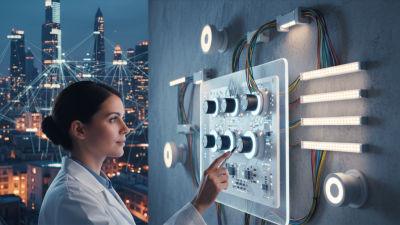
Smart lighting systems are transforming how we illuminate our spaces. These systems are built on a few key components. Sensors are crucial; they detect motion and adjust lighting accordingly. This ensures lights are only on when needed. Another vital element is the controller. It manages all connected devices, allowing users to create customized lighting scenarios.
Communication protocols play a significant role in smart lighting. They enable seamless interaction between lights and devices. Wi-Fi, Zigbee, and Bluetooth are commonly used. Each has its advantages, like range and energy efficiency. Users must consider their specific environment when choosing a protocol.
*Tip: If you decide to implement smart lighting, ensure the devices are compatible with your home network. Compatibility can save you from future headaches.*
Actuators are also essential, as they convert commands into actions. These components help dim lights or change colors. The integration of smart apps allows users to control lighting remotely. It can be overwhelming at times; figuring out settings may take patience.
*Tip: Start with a basic setup before diving into complex configurations. This approach helps build confidence and understanding.*
The synchronous working of these components can create a user-friendly experience. However, users should be aware that initial setup may not always go smoothly. Periodic software updates are also essential for optimal performance.
Smart Lighting IoT: Energy Consumption Comparison
This chart compares the average energy consumption of different types of lighting technology, highlighting the efficiency of smart LED bulbs as part of the Smart Lighting IoT system.
How Smart Lighting IoT Connects to Other Devices
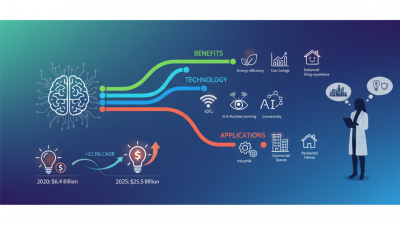
Smart lighting IoT represents a key innovation in home and commercial automation. It connects seamlessly with other smart devices, creating a cohesive ecosystem. According to recent industry reports, the smart lighting market is projected to reach $27 billion by 2027. This growth showcases the growing demand for interconnected systems.
When smart lights connect to sensors and smart hubs, they can respond to environmental changes. For example, lights can dim based on daylight or adjust based on room occupancy. This connectivity enhances energy efficiency significantly. Reports indicate that smart lighting can reduce energy consumption by up to 60%. However, many users still encounter setup challenges or compatibility issues that can hinder their experience.
Devices like smart thermostats and security systems can retrofit with smart lighting solutions. This creates opportunities for automation. However, there is still a learning curve for new users. The lack of standardization in protocols may complicate integrations. Transitioning to this technology also raises questions about overall user privacy and data security. Users need to be cautious about sharing information, as smart devices can sometimes be vulnerable.
Benefits of Implementing Smart Lighting IoT
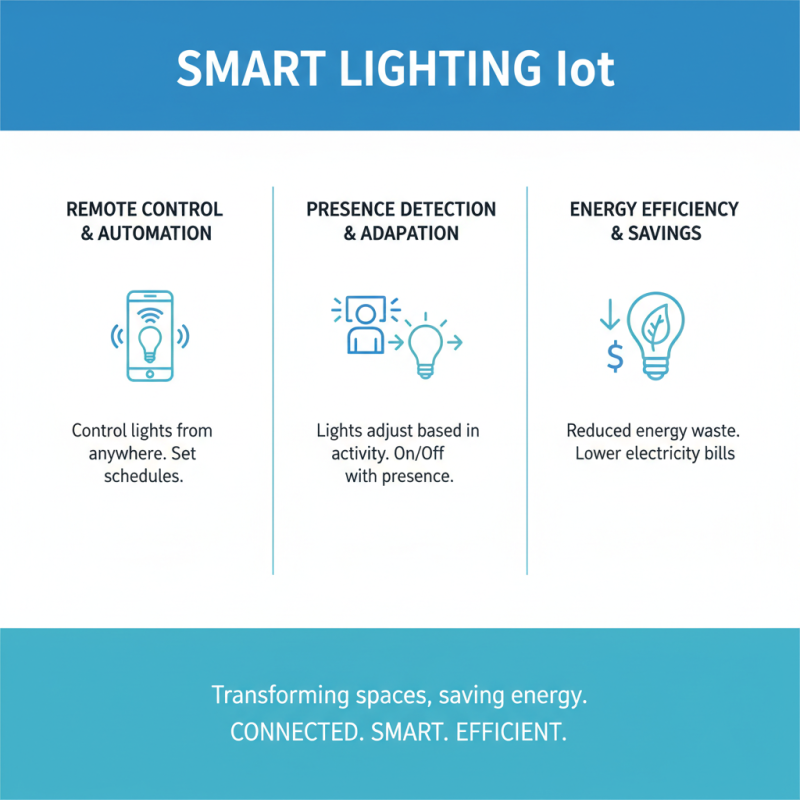
Smart lighting IoT transforms how we illuminate our spaces. It connects lights to the internet, allowing remote control and automation. Imagine adjusting your home lights from your phone, even when you're away. This system uses sensors to detect presence. Lights can brighten or dim based on activity. It’s energy-efficient. Less wasted energy means lower bills.
Implementing smart lighting offers numerous benefits. Safety is heightened as well-lit areas deter crime. With motion sensors, lights only activate when needed. This not only saves energy but also extends bulb life. Smart lighting enhances comfort, creating an inviting atmosphere. You can set the mood for gatherings or cozy nights.
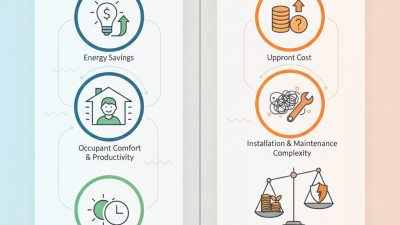
Yet, there are challenges. Initial setup costs can be high. Some may struggle with complicated interfaces. Not everyone is tech-savvy. Without regular maintenance, systems might malfunction or become outdated. These factors require careful consideration. Users must weigh the convenience against potential hurdles.
Challenges and Considerations in Smart Lighting Deployment
The deployment of smart lighting IoT systems presents several challenges that need careful consideration.
Security is a major concern. With increased connectivity comes the risk of cyberattacks. Vulnerable systems can be exploited, leading to unauthorized access and control over lighting environments. Inadequate security measures can jeopardize both public and private spaces.
Another critical factor is integration. Smart lighting systems need to work seamlessly with existing infrastructure. Compatibility issues often arise, causing integration complexities. This requires thorough planning and, at times, costly adjustments. Additionally, inadequate staff training can hinder the effective use of these systems. Employees may struggle to adapt to new technologies without proper guidance.
Maintenance is also a significant challenge. IoT systems demand regular software updates and troubleshooting. This can be resource-intensive for organizations. Safety regulations must not be overlooked, either. Improper installations can lead to hazards. Each consideration must be examined to ensure successful deployment and operation of smart lighting systems.