Top Smart Lighting Control Systems for Modern Homes and Businesses?
Smart Lighting Control Systems are transforming homes and businesses. According to the International Energy Agency, smart lighting can reduce energy consumption by up to 30%. This shift signifies a crucial step towards energy efficiency and sustainability.
Modern systems offer easy scheduling and remote control. Users can adjust brightness and color based on their activities. However, despite their benefits, many still hesitate to adopt this technology. Concerns about cost and complexity persist. The market is projected to reach $30 billion by 2026, highlighting significant potential for growth.
Adoption hinges on understanding these systems better. Many users may question their reliability and ease of integration. Smart Lighting Control Systems promise convenience and energy savings but require careful consideration. Reflecting on individual needs can lead to a satisfying experience.
Overview of Smart Lighting Control Systems
Smart lighting control systems are becoming essential in modern homes and businesses. These systems offer flexibility, energy savings, and convenience. Adjusting lights through an app or voice command feels futuristic. But, it’s vital to choose the right system for your needs.
Consider your space carefully. Each room may require different lighting levels. For example, cooler light works well in kitchens, while warmer light sets a cozy atmosphere in living rooms. Pay attention to how natural light affects your space. Some smart systems can adjust based on daylight. This feature can help save energy.
Tips: Choose a system compatible with existing devices. Upgrading may be costly. Test features before committing. Sometimes, simpler systems work better. Always consider the user interface. It should be easy to use for everyone in your home or office. Reflect on how frequently you’ll change settings. Frequent adjustments might need more advanced systems, but simple tasks shouldn't require complex setups.
Key Features to Look for in Smart Lighting Solutions
Smart lighting solutions have transformed how we illuminate our spaces. As 87% of consumers look for energy efficiency in their lighting systems, modern homes and businesses must prioritize effective smart lighting controls. User-friendly interfaces and mobile applications are essential. These allow real-time adjustments from anywhere, promoting convenience and flexibility.
When evaluating smart lighting systems, consider automation features. Scheduling options enable lights to adjust based on time or occupancy. This not only saves energy but also enhances security. Furthermore, integration with smart assistants can streamline daily routines. According to the latest industry report, 62% of users favor systems that work seamlessly with voice commands.
Data privacy also deserves attention. Many users may overlook it. A recent survey showed that 45% of consumers express concerns about data security in smart devices. Smart lighting should offer customizable privacy settings. Users must feel secure while reaping the benefits of automation. Always ask: Are these systems transparent about their data usage?
Top Smart Lighting Control Systems for Modern Homes and Businesses
| Feature |
Description |
Benefits |
| Remote Access |
Control your lighting system from anywhere via smartphone or tablet app. |
Convenience and peace of mind, especially when away from home. |
| Voice Control |
Integrates with smart assistants like Amazon Alexa or Google Assistant. |
Hands-free operation and enhanced accessibility. |
| Scheduling |
Set specific times for lights to turn on and off automatically. |
Energy savings and improved security by simulating presence. |
| Dimming Capabilities |
Adjust the brightness of lights to create desired ambiance. |
Customization of lighting to suit various activities and moods. |
| Energy Monitoring |
Track energy consumption data through the app. |
Identify and reduce energy wastage for cost savings. |
| Integration with Other Smart Devices |
Works in conjunction with other smart home devices. |
Enhanced automation and seamless control across devices. |
Popular Smart Lighting Brands and Their Offerings
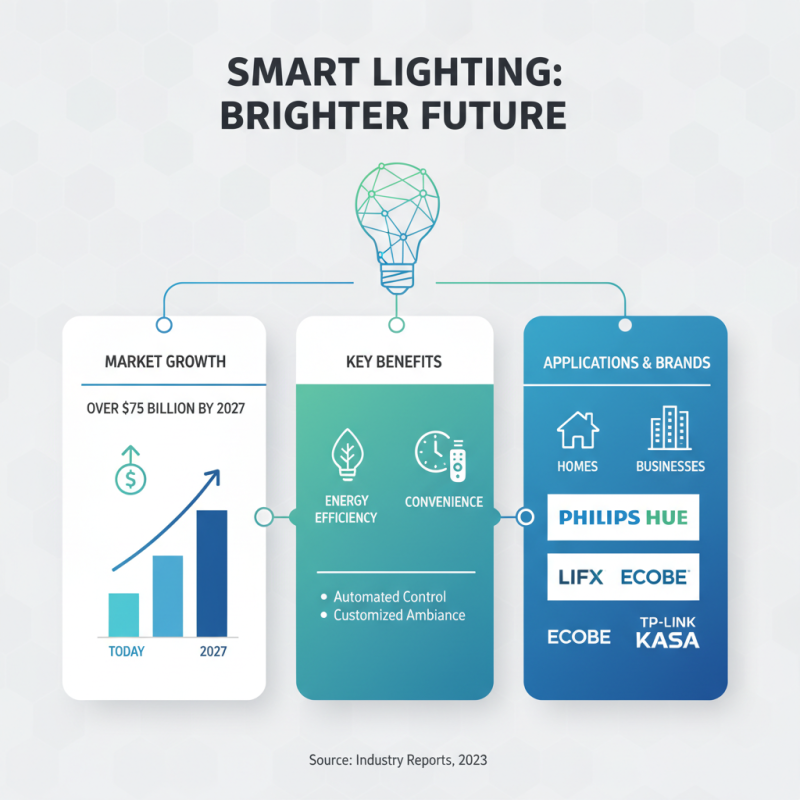
Smart lighting control systems have transformed how we interact with our environments. Recent reports indicate that the global smart lighting market is expected to reach over $75 billion by 2027. This growth reflects the increasing demand for energy efficiency and convenience in both homes and businesses. Many popular brands are now offering a range of smart lighting products, from simple bulbs to complex systems integrated with home automation. These products enhance user experience and provide tailored solutions for various needs.
One key feature found in many systems is the ability to control lighting through mobile apps. Users can adjust brightness and color temperature remotely. Motion sensors and timers allow for automatic adjustments based on the time of day or occupancy. However, the installation of these systems can sometimes pose challenges. Users often encounter compatibility issues with existing fixtures. Additionally, network security remains a concern, as smart systems can be vulnerable to cyber attacks.
Energy savings are a major selling point. Studies suggest that smart lighting can reduce electricity consumption by up to 40%. Yet, not all users maximize these benefits. Some remain unaware of the full potential of their systems. There is also a learning curve, which can lead to frustration. As technology evolves, ongoing user education is essential for maximizing the advantages of smart lighting solutions.
Integration with Home Automation Systems
In modern homes and businesses, smart lighting systems offer convenience and efficiency. These systems can seamlessly integrate with broader home automation solutions. Imagine controlling lights with a simple voice command or adjusting them remotely via an app. This integration simplifies daily tasks and enhances energy management.
One key aspect is creating the right ambiance. Smart lights can adjust brightness based on activities. For instance, you might prefer soft lighting for a movie night but brighter lights for work. Ensure your system allows for such customization. It’s worth reflecting on how these integrations can streamline your routine.
Tips: Test your smart lighting setup on different days. This helps identify what works best for you. Also, consider potential overlapping functions with your other home automation devices. Compatibility can influence performance. Finally, remember that a little trial and error can lead to significant improvements in your setup.
Top Smart Lighting Control Systems for Modern Homes and Businesses
This chart displays user satisfaction ratings for various features of smart lighting control systems integrating with home automation. The features evaluated include integration capabilities, user interface design, energy efficiency, remote control features, and customization options.
Future Trends in Smart Lighting Technology
Smart lighting technology is rapidly evolving. Homes and businesses are embracing innovative lighting solutions. Future trends include
enhanced automation and energy efficiency. These developments promise to create
more tailored lighting experiences.
As technology advances, smart lighting systems will integrate with artificial intelligence. This will enable lights to adapt to user
preferences. Imagine your lights dimming as evening approaches or changing color based on your mood. These features aim to enhance
comfort and productivity.
Tips:
Consider adding motion sensors to your lighting setup. They can save energy when rooms are unoccupied.
Choose adjustable lighting options. This allows for different scenes throughout the day. Experiment
with ambient lighting to improve your space’s atmosphere.
With connectivity on the rise, future systems may allow lights to interact with other devices. Think about lights that sync with music
or alert you to notifications. Yet, there are challenges. Users may find setups complicated. Finding the right balance between
tech and usability is essential.