What is Smart Lighting Control and How Does It Work?
Smart Lighting Control is reshaping how we interact with light in our environments. According to Dr. Emily Cheng, a leading expert in smart technologies, “Smart Lighting Control transforms spaces, enhancing comfort and efficiency.” This technology allows users to tailor lighting based on personal preferences and specific activities.
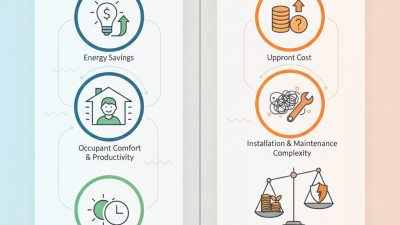
Implementing Smart Lighting Control can save energy and improve the atmosphere of any space. While the benefits are significant, the technology also presents challenges. Ensuring compatibility with existing systems can be complex. Additionally, user experience depends on intuitive interfaces, which are often not user-friendly.
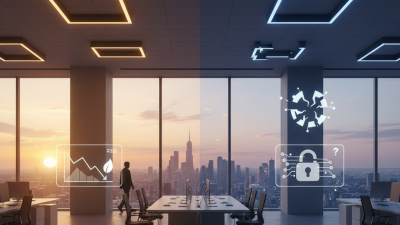
As we explore Smart Lighting Control, the balance between innovation and practicality becomes essential. The technology holds great promise, yet we must reflect on its potential flaws. How can we improve user engagement and system integration? Balancing efficiency and user satisfaction will be key as the industry evolves.
Definition of Smart Lighting Control
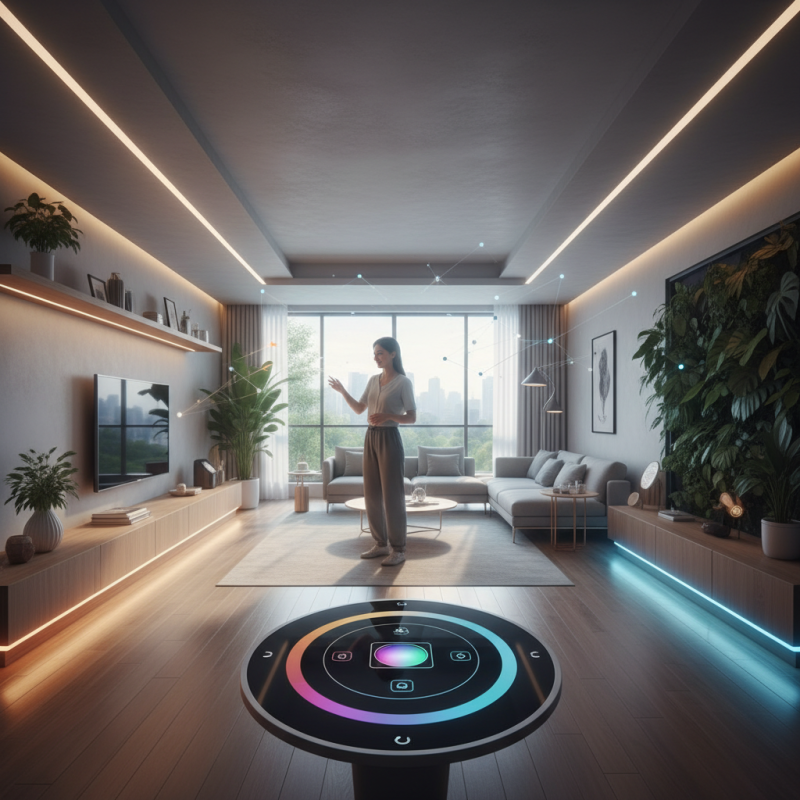
Smart lighting control refers to systems that manage and optimize lighting using automated and flexible mechanisms. These systems can be programmed to adjust brightness, color temperature, and even timing based on occupancy and ambient light levels. By integrating sensors and smart devices, smart lighting can enhance convenience and energy efficiency in homes and commercial spaces.
Tips: Consider installing motion sensors. This can help ensure lights turn on and off based on movement. Save energy and reduce costs by using scheduling features. Set your lights to turn off when you leave a room. Think about your lighting needs throughout different times of the day.
Smart lighting systems can sometimes feel overly complex. Users may find it challenging to customize settings that best serve their environment. Technical glitches can arise with connectivity issues. Regularly updating the software can help mitigate such problems. Experimenting with various settings may yield unexpected challenges, prompting users to reflect on their specific lighting needs.
Key Components of Smart Lighting Systems
Smart lighting control represents an evolution in how we manage our environments.
A smart lighting system typically consists of core components such as sensors, controls, and communication networks.
According to a recent report by Navigant Research, the smart lighting market is expected to reach $14 billion by 2024,
highlighting its growing importance in urban design and energy efficiency.
Sensors are crucial in a smart lighting system.
They detect movement, ambient light levels, and even occupancy patterns. This data allows lighting to adjust automatically,
saving energy and enhancing comfort. Controls, often linked to mobile apps, empower users to personalize their lighting preferences remotely.
However, the integration of these technologies can be complicated. Compatibility issues may arise between old and new systems,
leading to inconsistent performance. While they promise energy savings, user adoption can slow due to perceived complexity.
As this technology evolves, ongoing research is essential to improve usability and user experience.
Investing in better training and resources will be key to overcoming these challenges.
How Smart Lighting Control Works
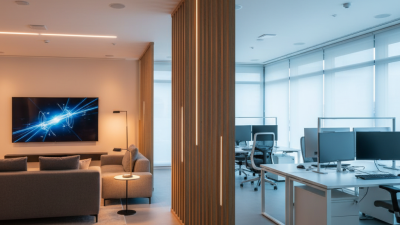
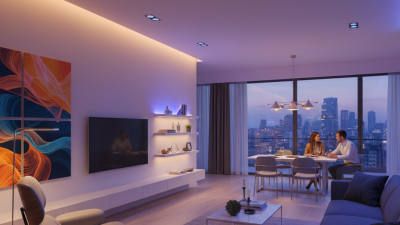
Smart lighting control uses technology to optimize the lighting experience in homes and workplaces. It relies on sensors, timers, and smart devices to adjust brightness and color. The integration of these systems allows users to program their lights based on personal preferences or daily routines. When you enter a room, the lights can automatically brighten or change colors to match the ambiance.
The heart of smart lighting control lies in its responsiveness. Sensors detect movement, ensuring lights turn on when someone is present. This not only enhances convenience but also saves energy. Scheduling lights to operate at specific times helps reduce electricity usage, making it a sustainable choice. However, issues may arise if the sensors misinterpret movement, leading to unexpected behavior.
Connectivity is key to smart lighting control. Most systems link to a central hub, making management seamless through mobile apps or voice commands. Yet, even with advanced technology, connectivity can falter due to network issues. This reliance on Wi-Fi means that a dropped connection could leave lights unresponsive. It's essential for users to be aware of these potential flaws while embracing this innovative approach to lighting.
What is Smart Lighting Control and How Does It Work?
| Feature |
Description |
Benefits |
Technology Involved |
| Automation |
Lights can be programmed to turn on/off or adjust brightness based on time or occupancy. |
Increased energy efficiency and convenience. |
Sensors, timers, and smart controllers. |
| Remote Control |
Control lighting systems from a smartphone or tablet app. |
Enhanced control and flexibility. |
Wi-Fi, Bluetooth, or Zigbee. |
| Dimming Capability |
Adjust lights to various brightness levels. |
Mood setting and energy savings. |
Smart dimmers and LED technology. |
| Integration with Smart Home Systems |
Works with other smart home devices for coordinated actions. |
Seamless automation and enhanced security. |
Smart hubs and IoT platforms. |
| Energy Monitoring |
Track energy consumption of lighting. |
Identify opportunities for saving energy. |
Smart meters and analytics software. |
Applications and Benefits of Smart Lighting
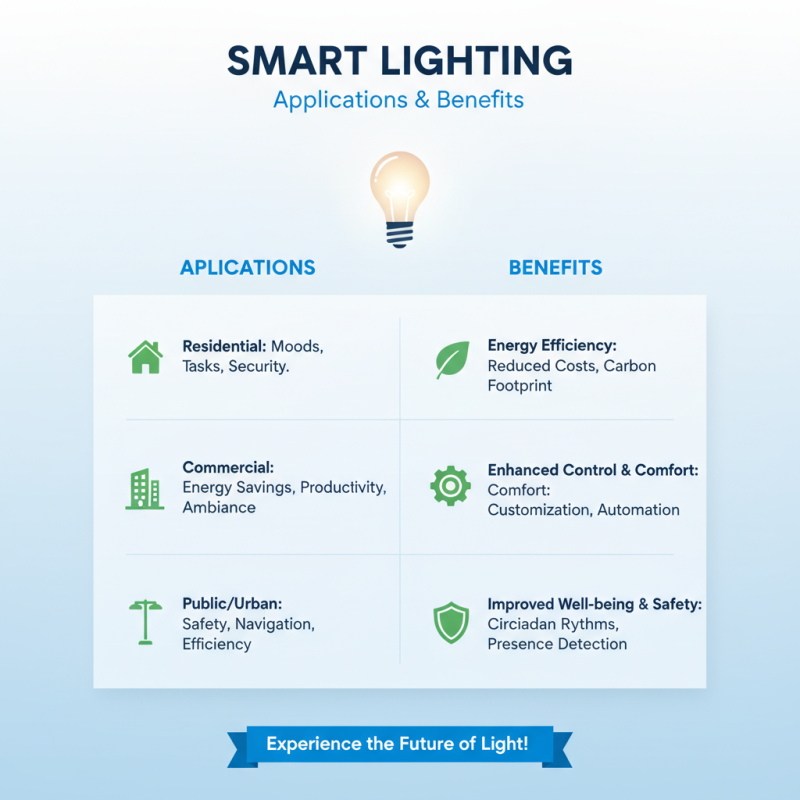
Smart lighting control has made significant strides in enhancing the way we experience and utilize artificial light. With its ability to adjust brightness and color based on user preferences and environmental conditions, smart lighting adapts seamlessly to various applications. One prominent application is in residential settings. Homeowners can create mood lighting for different activities, such as reading or relaxing, simply through an app on their phones.
Commercial spaces benefit greatly from smart lighting as well. In offices, automated systems can adjust lighting based on occupancy and natural light levels, which helps reduce energy consumption significantly. The operational structure becomes more efficient, but issues can arise if systems are poorly calibrated, leading to discomfort among employees. Overall, the focus should be on finding a balance that maximizes productivity while ensuring a pleasant atmosphere.
Moreover, outdoor smart lighting improves safety and security. Streetlights equipped with sensors can dim when no motion is detected, saving energy costs while providing illumination when needed. However, it raises concerns about over-reliance on technology. While smart systems can provide convenience, they demand regular maintenance and updates. Users must remain aware of potential vulnerabilities to ensure robust performance and reliability.
Challenges and Future of Smart Lighting Technology
Smart lighting technology has advanced significantly, yet challenges remain. One prominent issue is interoperability. Many smart lighting systems utilize different protocols. This causes frustration for users seeking cohesive control. Imagine a home filled with various smart devices that can't communicate seamlessly. It leaves users feeling overwhelmed, and less likely to fully adopt smart lighting solutions.
Another challenge is energy consumption. Even though smart lighting aims to save energy, it requires constant connectivity. This can lead to increased electricity use for powering hubs and routers. For example, a bright LED bulb consumes less energy than an outdated one. However, if the smart system is left running continuously, it might negate some of those savings. Encouraging responsible usage and design improvements can address this concern.
Looking forward, addressing user privacy is crucial. Smart lighting systems often collect data about user habits. This data can enhance user experience but may also raise privacy issues. Developers must find ways to balance convenience with confidentiality. Transparency in data usage will build trust and encourage more people to embrace smart lighting technology.
Smart Lighting Control: Adoption Rates and Benefits
This bar chart represents the preferences of users towards different features of smart lighting control technology. The primary focus is on energy saving, which leads with 40% preference, closely followed by convenience and security features.