What Is a Smart LED Flood Light and How Does It Work?
A Smart Led Flood Light is more than a bright outdoor lamp. It combines an LED light source, wireless controls, sensors, and programmable software. Together, these parts can illuminate driveways, gardens, warehouses, and building entrances with greater control. The fixture may connect through Wi-Fi, Bluetooth, Zigbee, or a dedicated smart-home hub. A mobile app can adjust brightness, schedule operation, or send an alert when motion is detected.
Lighting researcher Dr. Nadarajah Narendran has described LED technology as “a platform for innovation.” This idea explains why smart floodlights continue to evolve. LEDs use semiconductor materials to create light efficiently. A driver converts incoming electricity into the stable current the LEDs require. Sensors then provide practical input. For example, a motion sensor may keep the light dim until someone walks across a dark path. A daylight sensor can prevent unnecessary operation during sunny hours.
The technology sounds simple. Real installations can be less predictable. Wi-Fi distance, wall materials, weather exposure, and app compatibility all affect performance. A poorly positioned fixture may create glare instead of useful security lighting. I have found that the best results come from testing brightness, detection range, and mounting height together. Energy savings also depend on settings, not marketing claims alone. This guide will explain how a Smart Led Flood Light works, which components matter, and where its practical limits appear. It will also consider installation choices, privacy concerns, durability, and everyday maintenance. The goal is a clear, evidence-based understanding—not an assumption that every connected light is automatically smarter.
Smart LED Flood Light Definition: LEDs Use 75–80% Less Energy (DOE)
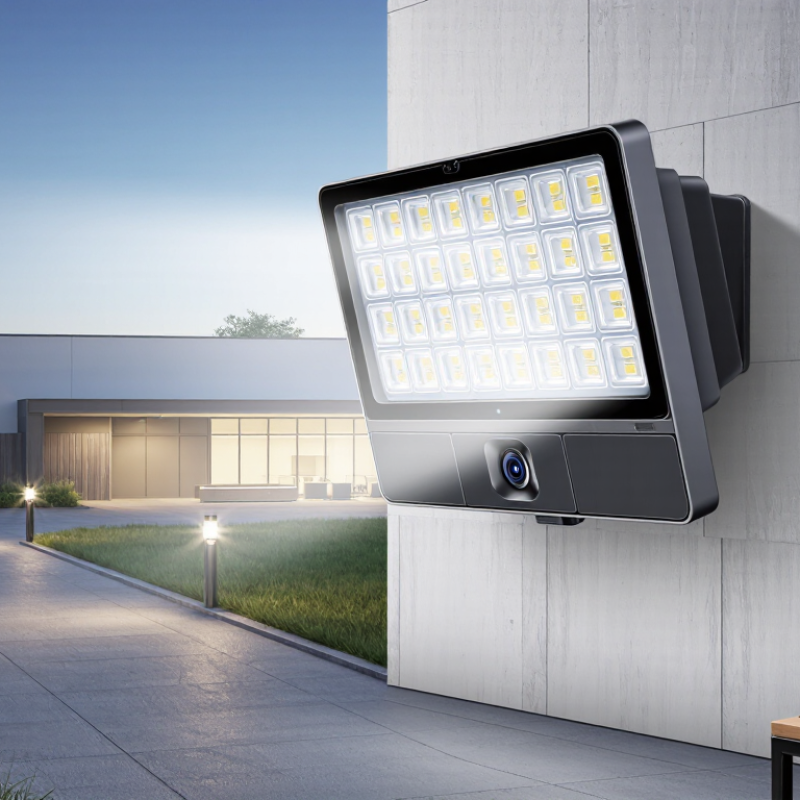
A smart LED flood light combines a wide-beam LED fixture with connected controls.
It can illuminate a driveway, garden, or work area while letting you adjust schedules, brightness, or motion settings through a compatible app or control system. The “smart” feature manages when and how the light operates; the LED produces the light itself. Setup varies, so check the fixture’s instructions and your home’s connection requirements before installation.
Energy use is a key reason to consider LED lighting.
The U.S. Department of Energy reports that LEDs use at least 75% less energy and last up to 25 times longer than incandescent lighting. That comparison depends on the bulbs and conditions being compared. Less energy for similar light output can mean lower operating costs, especially when a flood light runs for several hours each evening. Still, brightness, beam direction, and operating time matter. A powerful light left on all night can use more electricity than expected.
Motion sensing can reduce unnecessary operation.
A light might switch on when someone approaches a path, then turn off after a set period. Useful, but not perfect. Rain, passing animals, or poor sensor placement can trigger unwanted lighting. Test the settings at night and adjust the detection area; small changes can make a noticeable difference.
Core Components: Driver, Optics, IP65 Housing, Sensors, and Wireless Modules
A smart LED flood light combines efficient illumination with controls that respond to schedules, motion, or remote commands. Its driver converts incoming power into stable current for the LEDs. A quality driver helps reduce flicker and manage heat, though performance can vary as components age. The light should remain steady.
Optics shape where the beam lands. Reflectors or lenses can produce a wide wash across a driveway or a tighter beam on a gate. The IP65 housing is designed to resist dust and water jets, making it suitable for exposed outdoor areas. It is not a guarantee against every installation problem; a poorly sealed cable entry can still let moisture in.
Sensors detect movement or changing daylight, then signal the light to switch on or adjust brightness. Wireless modules carry commands between the fixture, an app, or a compatible control system. Walls and distance may weaken the signal. Small details matter: mount the sensor with a clear view of the approach, and test the beam after dark. That final check is easy to skip.
How It Produces Light: Lumens, Beam Angles, and 25,000-Hour LED Life (DOE)
A smart LED flood light turns electrical energy into light through semiconductor diodes. Its brightness is measured in lumens, not watts. More lumens generally mean more visible light, but placement matters. A 2,000-lumen fixture aimed across a short driveway can feel brighter than the same output spread over a wide yard.
Beam angle describes how widely light spreads. A narrow beam concentrates illumination on a gate or wall, while a wider beam covers a patio or parking area with fewer dark gaps. Picture a wet driveway at dusk: a tight beam may create a bright patch and deep shadows beside it. A broad beam can soften that contrast, though it may send light where it is not needed. Smart controls can adjust brightness or schedules, but they cannot correct a poor aiming angle.
A stated 25,000-hour LED life is an estimate, not a promise that the light will stay equally bright for every hour. LEDs usually fade gradually rather than suddenly failing. The U.S. Department of Energy describes useful LED life through lumen maintenance, often using the point when output falls to 70 percent of its initial level. Check what a product’s rating measures and under which conditions. Heat, weather exposure, and frequent operation can affect real-world performance. Numbers help. Installation still matters.
How Smart Control Works: Wi-Fi, Bluetooth, Apps, Sensors, and Automation
A smart LED flood light combines bright, efficient LEDs with wireless controls. Unlike a basic flood light, it can respond to instructions, schedules, and movement. Wi-Fi connects the light to your home network, allowing remote control through an app. You might switch it on while checking a delivery from another room. However, a weak signal can create delays or failed commands.
Bluetooth works differently. It usually connects directly to a nearby phone, so setup can feel quicker. Its range is shorter, but it may remain useful in a garage, garden, or small workshop. Through the app, users can adjust brightness, set timers, and create lighting scenes. Some apps also show energy use, although these readings may be estimates rather than laboratory measurements.
Sensors make the light more responsive. A motion sensor can detect movement near a driveway and trigger illumination. A daylight sensor can prevent unnecessary operation during bright afternoons. Automation combines these features with practical rules, such as turning the light on at sunset and off at midnight. In daily use, this can improve visibility without leaving the lamp running all night. Still, sensors are not perfect. Heavy rain, moving branches, or a passing animal may cause unwanted activation. Placement matters; mounting height and detection angle often require patient adjustment. I have found that simple schedules sometimes work better than complicated routines.
What Is a Smart LED Flood Light and How Does It Work?
Smart LED flood lights can receive commands through Wi-Fi, Bluetooth Low Energy, or other local wireless networks. The chart shows representative indoor communication ranges: Wi-Fi typically reaches farther through a home network, while Bluetooth LE is designed for short-range control. Mobile apps provide the user interface, sensors can trigger the light automatically, and schedules or cloud services can coordinate actions without manual control. Actual range depends on walls, interference, device placement, and network conditions.
Performance Standards: 80+ CRI, Energy Star Efficiency, and Outdoor Safety Marks
A smart LED flood light combines a solid-state light source with sensors, wireless controls, and programmable software. Motion detection can brighten a driveway within seconds, while a photocell prevents daytime operation. In practical installations, however, wireless range and sensor placement matter as much as advertised features.
Performance begins with color quality. A CRI of 80 or higher generally renders faces, pavement, and vehicle colors more naturally. The CIE color-rendering framework supports this measurement, but CRI is not perfect; it does not fully describe deep-red performance or visual comfort. IES TM-30 can reveal those weaknesses more clearly. Check the report, not only the number. A dark porch may still look harsh.
Efficiency requires more than low wattage. The U.S. Department of Energy reports that LED products can use at least 75% less energy and last up to 25 times longer than incandescent lighting. Energy Star requirements also evaluate efficacy, standby power, durability, and light distribution. Look for tested lumens per watt and realistic annual energy estimates. For outdoor safety, an IP rating under IEC 60529 indicates resistance to dust and water, while a recognized electrical safety mark confirms evaluation for shock and fire risks. Installation still matters. Sealed cable entries, correct grounding, and downward aiming reduce failures and glare.