Why Smart City Lighting Solutions Are Essential for Urban Development?
Smart City Lighting Solutions are revolutionizing urban environments. They play a critical role in enhancing safety, efficiency, and aesthetics. With growing populations, cities face unique challenges. Traditional lighting methods often fall short. Inadequate street lighting can lead to accidents and increased crime. Smart lighting systems address these issues effectively.
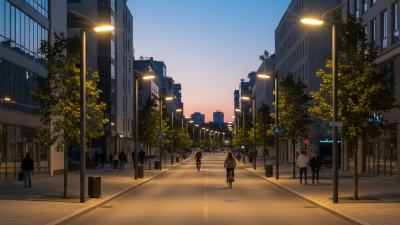
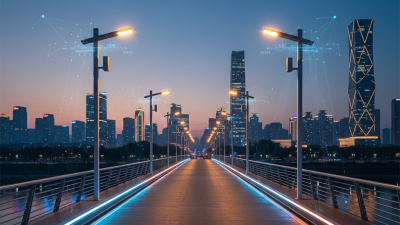
Imagine walking through a well-lit street at night. Bright, adaptive lights adjust to foot traffic and weather changes. They engage with smart sensors, ensuring energy efficiency. This approach not only saves costs but also minimizes light pollution. It's a blend of technology and urban design that fosters a sense of community.
However, the implementation is not without its challenges. The initial investment can be significant. Communities must consider long-term benefits against upfront expenses. Not every city is ready for such technological shifts. There are lessons to be learned in balancing innovation with practicality. Smart City Lighting Solutions represent a promising path but require thoughtful integration into urban planning.
The Role of Smart City Lighting in Enhancing Urban Safety
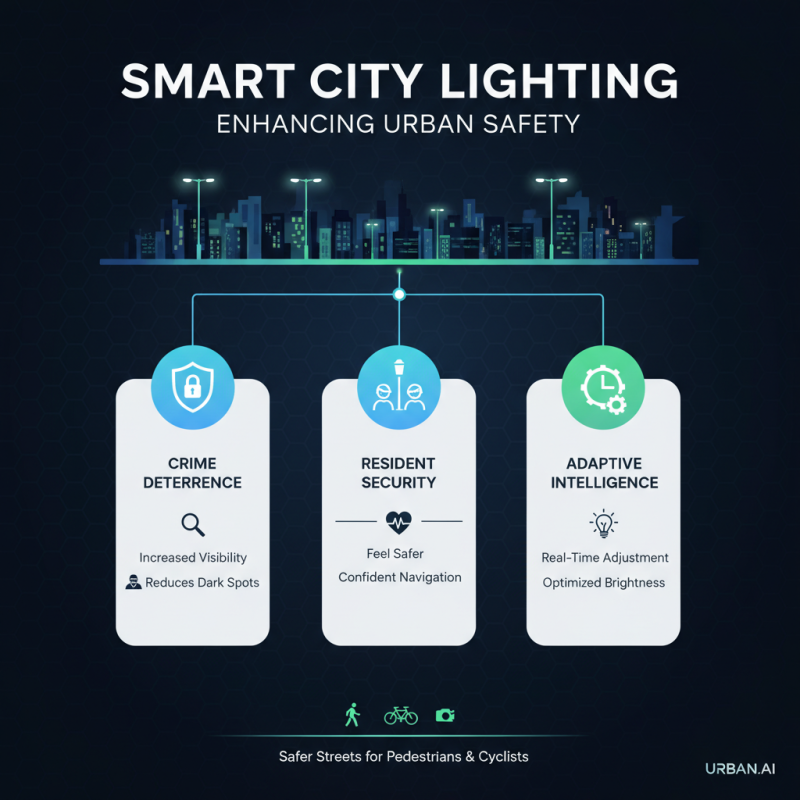
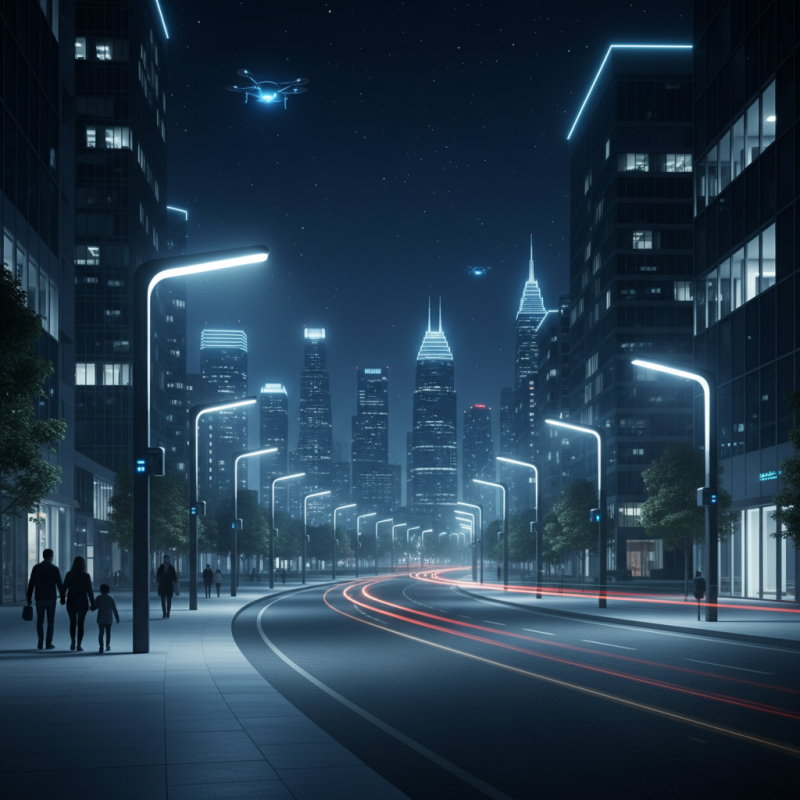
Smart city lighting solutions play a crucial role in enhancing urban safety. Effective lighting can deter crime and help residents feel secure. Well-lit streets and public spaces allow for better visibility, especially at night. Cities with smart lighting can adjust brightness based on real-time needs, enhancing safety for pedestrians and cyclists.
Incorporating sensors in smart lighting systems can provide valuable data for city planners. These systems can detect movement and adjust light levels accordingly. This not only saves energy but also creates a safer environment. However, some cities may struggle with implementation due to budget constraints or technical challenges. It's essential for urban developers to evaluate these systems carefully.
**Tip:** Regularly communicate with residents about their needs. Gathering feedback can lead to improved lighting designs that enhance safety.
Using smart lighting can reduce accidents and improve public perception of safety in urban areas. Yet, cities must address potential privacy concerns. Balancing safety and privacy will require ongoing dialogue and innovative strategies. Another consideration is the maintenance of these technologies. Systems require regular checks and updates to remain effective and reliable.
Energy Efficiency Benefits of Smart City Lighting Solutions
Smart city lighting solutions are transforming urban environments. Energy efficiency is a major benefit. By utilizing LED technology, cities reduce energy consumption significantly. These lights consume up to 70% less energy than traditional options. This improvement translates directly into lower utility bills for municipalities.
Moreover, smart lighting systems are adaptive. They adjust brightness based on real-time conditions. For instance, during low traffic hours, they dim to save energy. When they detect movement, they brighten. This responsiveness enhances safety while optimizing energy use. However, implementing such systems can be challenging. Initial costs can be high, and maintenance requires skilled personnel.
Cities often need to rethink their infrastructure to accommodate smart lighting. Upgrades may disrupt existing street layouts and involve public input. It's a learning process that demands feedback and adjustment. The real challenge lies in balancing innovation with practicality in urban planning.
Why Smart City Lighting Solutions Are Essential for Urban Development?
| Dimension |
Benefit |
Impact |
| Energy Efficiency |
Reduces energy consumption by up to 50% |
Lower utility costs for cities |
| Smart Controls |
Adaptive lighting based on pedestrian activity |
Increased safety during nighttime |
| Sustainability |
Use of renewable energy sources |
Reduced carbon footprint |
| Data Analytics |
Real-time monitoring of lighting conditions |
Improved maintenance and reduced costs |
| Aesthetic Improvement |
Enhances urban landscape and ambiance |
Increased public satisfaction and tourism |
| Integration with Infrastructure |
Seamless connectivity with smart city networks |
Holistic urban development and management |
Integrating Smart Lighting with Urban Infrastructure Development
In the context of urban infrastructure development, integrating
smart lighting solutions is critical.
These solutions transform how cities function at night. Smart lighting systems can adapt to different activities,
ensuring well-lit streets without wasting energy. For example, when a street is empty, lights can
dim. When pedestrians or vehicles approach, they brighten automatically.
This responsiveness not only saves energy but also enhances safety.
Cities often struggle with outdated lighting systems that do not address modern needs. Aging infrastructure can
lead to inefficient energy use and increased maintenance costs.
Many urban planners overlook how crucial lighting is to public spaces. Effective lighting design can encourage
more activities in neighborhoods at night. It makes spaces feel safer, encouraging people to engage with
their surroundings.
However, implementing these solutions comes with challenges.
Funding can be a significant issue. Local governments need to prioritize
smart investments. Additionally, data privacy concerns
may arise from collected usage data. Finding a balance between innovation and security is essential. Smart lighting is not just a
high-tech addition; it is a fundamental part of building
smarter, safer cities.
Impact of Smart Lighting on Citizen Engagement and Quality of Life
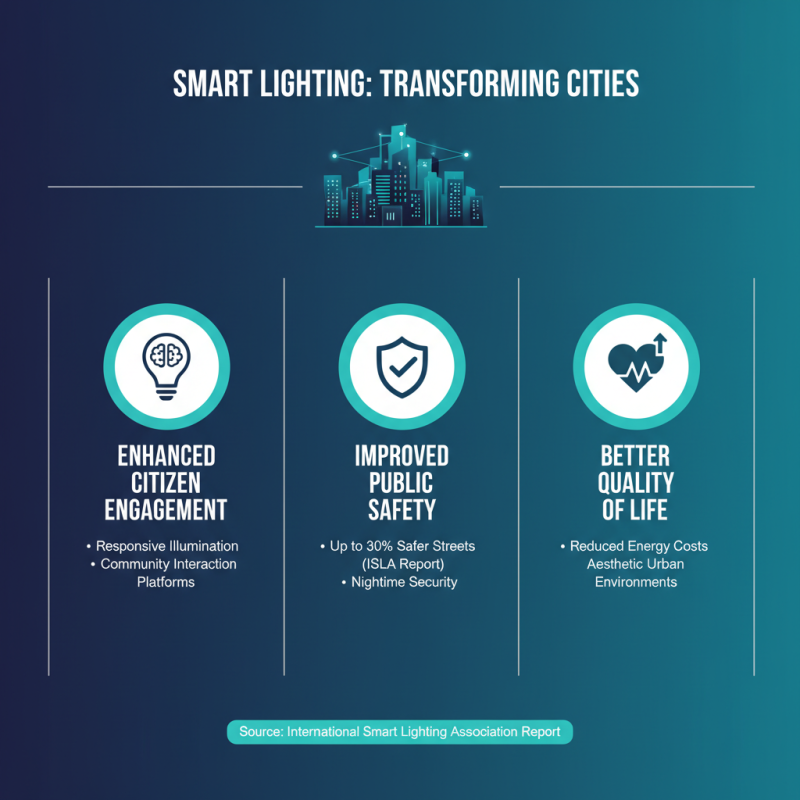
Smart lighting solutions are transforming urban landscapes. Cities are beginning to recognize how these systems can enhance citizen engagement and improve quality of life. According to a report from the International Smart Lighting Association, intelligent lighting can increase public safety by up to 30% in well-lit areas. This makes streets feel safer during night hours.
Moreover, smart lighting promotes community interaction. With features like adaptive brightness and color changes, lighting becomes a part of local events. A study by the Urban Institute reveals that cities using dynamic lighting see a 25% increase in public gatherings. However, not all municipalities are adopting this technology. Challenges remain, such as budget constraints and public awareness.
It’s evident that smart lighting systems do more than just illuminate. They can revitalize neighborhoods and foster a sense of belonging. Nevertheless, cities must not overlook the importance of involving citizens in designing these solutions. Participation is key to creating spaces that resonate with the community. Without it, even the best technologies can fall flat and fail to engage effectively.
Sustainable Practices in Smart City Lighting for Future Cities
Smart city lighting solutions play a vital role in urban development. Sustainable practices in these solutions are crucial for future cities. Energy-efficient lighting can greatly reduce electricity consumption. Implementing LED technology is one effective way to achieve this. LED lights use less energy and last longer, which translates to fewer replacements.
Adopting smart lighting systems is another important step. These systems adapt to real-time data. For instance, they can adjust brightness based on pedestrian traffic. This not only saves energy but also enhances safety. However, challenges remain. Many cities struggle with outdated infrastructure. Upgrading systems requires investment and careful planning.
Tips for cities include prioritizing renewable energy sources. Solar panels can power streetlights, significantly cutting costs. Regular assessments of lighting needs can prevent over-illumination. This promotes a healthier urban environment. Community involvement is also essential; residents should have a say in their city’s lighting design. Doing so can create a sense of ownership and responsibility. Reflection is key to improving these initiatives. After all, a well-lit city can lead to vibrant communities and sustainable growth.
Impact of Smart City Lighting on Urban Development