The Rise of IoT Street Light Controller Systems in China Top 10 Innovations?
In recent years, the IoT Street Light Controller System has gained significant traction in China. This innovative technology is transforming urban lighting management. Experts in the field, like Dr. Li Wei, emphasize its importance, stating, "Smart lighting systems can enhance energy efficiency and reduce costs."
The rising adoption of these systems illustrates the shift towards smarter cities. Cities are integrating real-time data for better control and maintenance. With the ability to adjust brightness based on traffic conditions, these systems save energy and enhance safety.
However, challenges remain. The integration process can be complex. There are concerns about cybersecurity risks and data privacy. As cities embrace this innovation, it is crucial to address these issues. The future of urban lighting depends on balancing innovation with security and reliability.
The Evolution of Street Lighting Technologies in China
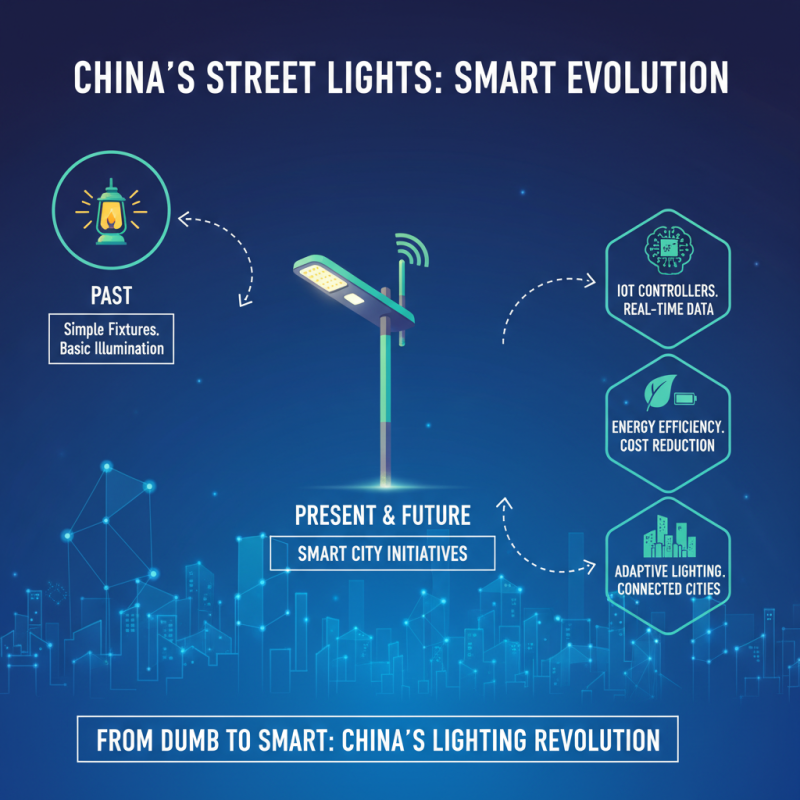
The evolution of street lighting technologies in China is a compelling journey. Traditionally, street lights were simple fixtures. They provided illumination but lacked intelligence. Today, the landscape is changing rapidly. IoT street light controllers are emerging, enabling smart city initiatives. These systems adjust lighting based on real-time data. They increase energy efficiency and reduce operational costs.
Cities implement these systems not only for savings but also for better urban management. Data collected helps monitor traffic patterns and improve safety. Yet, the transition is not without challenges. Integration and standardization of technologies can be complex. Not all local governments have the resources to adopt these innovations.
Tips: When considering smart lighting, assess the infrastructure first. Understand the current technology in place. Consult with experts in urban planning to ensure a smooth transition. This thoughtful approach can lead to better outcomes and sustained benefits.
Key Features of IoT Street Light Controller Systems
IoT street light controller systems have emerged as a pivotal innovation in urban infrastructure. These systems integrate smart technology to enhance energy efficiency and improve city management. One key feature is adaptive lighting, which adjusts brightness based on real-time data. Sensors detect movement and ambient light, allowing streetlights to dim or brighten as needed. This capability not only saves energy but also extends the lifespan of the lighting fixtures.
Another significant aspect is remote monitoring. City officials can track the status of each light via a centralized platform. This real-time data helps in efficient maintenance. However, challenges arise, such as ensuring data security and reliability. With more devices connected to the internet, the risk of cyber threats can increase. Additionally, not all municipalities have the budget or technical expertise to implement such systems effectively.
Finally, user feedback can shape future improvements. Stakeholders should engage with residents to identify how these systems can better serve communities. Balancing technology with public needs is essential for a successful rollout. The rise of IoT street light controllers holds great promise, but careful consideration is needed to address these imperfections.
The Rise of IoT Street Light Controller Systems in China: Top 10 Innovations
This chart illustrates the percentage of key innovations in IoT street light controller systems that have been adopted in China. The data reflects the top features driving adoption and enhancement of smart street lighting solutions.
Top 10 Innovations Transforming Urban Lighting
The landscape of urban lighting is changing rapidly in China. Innovative IoT street light controller systems are at the forefront of this transformation. These smart systems can adjust brightness based on real-time data, improving energy efficiency. According to a recent report by the International Energy Agency, energy consumption in street lighting can be reduced by up to 50% with these technologies.
One notable innovation is adaptive lighting. This system uses motion sensors to adjust the brightness when pedestrians or vehicles are detected. Such responsiveness not only saves energy but also enhances safety in urban streets. Another significant advancement is the integration of air quality sensors in lighting systems. This data helps cities monitor pollution levels and improve public health. Not every city has adopted these systems effectively. Implementation inconsistencies may hinder their potential benefits.
Cybersecurity remains a critical challenge. The complexity of these IoT networks can create vulnerabilities. Ensuring data privacy and security is essential for user trust. According to a report by McKinsey, a staggering 40% of cities report concerns about the cybersecurity risks associated with smart city technologies. Addressing these challenges will be crucial for the long-term success of IoT street light controller systems.
The Rise of IoT Street Light Controller Systems in China Top 10 Innovations
| Innovation |
Description |
Benefits |
Adoption Rate (%) |
| Smart Dimming Control |
Adjusts light intensity based on real-time conditions and foot traffic. |
Reduces energy consumption and extends lamp life. |
75% |
| Remote Monitoring |
Allows for real-time performance monitoring of street lights. |
Improves maintenance efficiency and response times. |
68% |
| Environmental Sensors |
Monitors air quality and weather conditions. |
Provides data for urban planning and public health. |
55% |
| Integrated CCTV |
Combines street lighting with surveillance cameras. |
Enhances public safety and crime prevention. |
62% |
| Wi-Fi Hotspots |
Provides free internet access through street lights. |
Improves connectivity for residents and visitors. |
50% |
| Smart Energy Management |
Analyzes energy usage patterns to optimize illumination. |
Minimizes energy costs and carbon footprint. |
70% |
| Adaptive Lighting |
Adjusts light levels based on time of day and traffic flow. |
Enhances visibility while saving energy during low traffic. |
65% |
| Automated Fault Reporting |
Automatically notifies maintenance crews of malfunctioning lights. |
Speeds up repairs and ensures better reliability. |
60% |
| Data Analytics |
Utilizes collected data to drive urban policies and improvements. |
Supports informed decision-making for city planning. |
57% |
| Public Engagement Apps |
Allows citizens to report issues and provide feedback on lighting. |
Enhances community engagement and verifies effectiveness. |
45% |
Impact of IoT Street Lights on Energy Efficiency
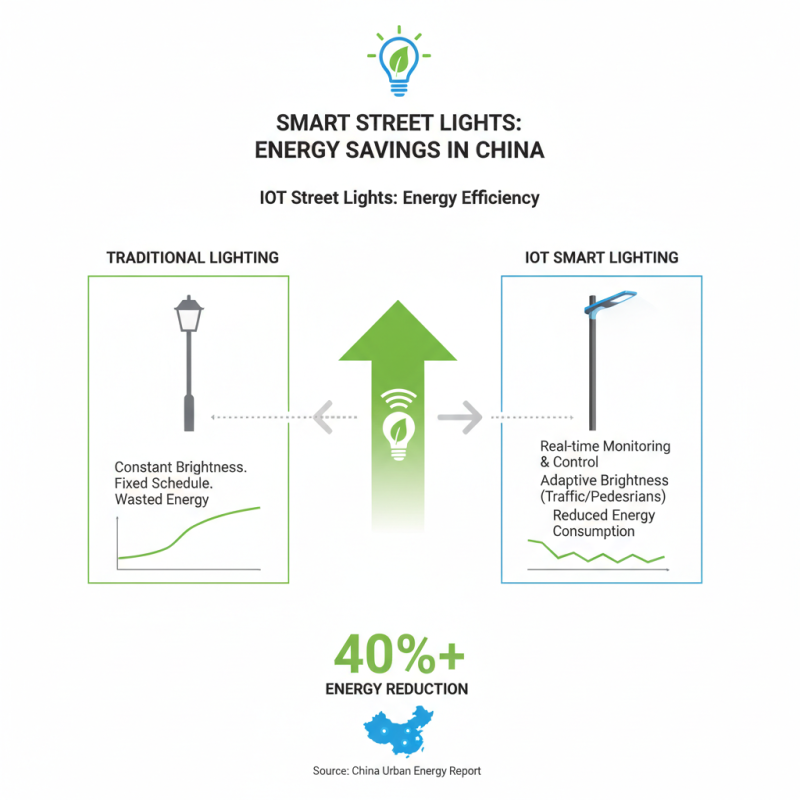
The integration of IoT street light controller systems in China has led to significant improvements in energy efficiency. These systems allow for real-time monitoring and control of street lighting, enabling cities to respond instantly to changing conditions. By adjusting the brightness based on pedestrian and vehicular traffic, energy consumption can be drastically reduced.
Data shows that cities with IoT street lights experience a notable decrease in energy costs. Sensors detect surrounding light levels and occupancy, allowing lights to dim when streets are empty. However, implementing these systems comes with challenges. Ensuring reliable connectivity and dealing with potential cybersecurity threats require careful planning.
Moreover, the initial investment in smart lighting infrastructure is considerable. Cities must balance upfront costs with long-term savings. While many report positive outcomes, concerns about maintenance and technology obsolescence remain. In moving forward, urban planners need to address these uncertainties for sustainable growth. Technology evolves rapidly, and continuous adaptation is essential for maximizing benefits in the smart city landscape.
Future Trends in Smart City Infrastructure and Lighting Solutions
The landscape of smart city infrastructure in China is rapidly evolving.
IoT street light controller systems represent a significant innovation in this transformation.
According to a recent industry report, the smart street lighting market in China is projected to reach approximately $5.4 billion by 2025.
This growth is driven by the need for energy-efficient solutions and improved urban management.
Smart street lighting not only conserves energy but also enhances public safety.
These systems can adapt in real-time to the presence of pedestrians and vehicles, dimming or brightening based on demand.
However, challenges remain in integration and data management.
With various technologies in play, cities must ensure that their infrastructures communicate effectively.
Coordination between departments and technologies can be complicated.
Moreover, the rise of smart city solutions raises concerns over data privacy.
As cities collect data from these systems, protecting citizens' information becomes crucial.
Many cities are still navigating regulatory landscapes to create transparent frameworks for data usage.
Balancing innovation with privacy protections is essential for gaining public trust in smart city initiatives.
As cities aim for sustainable growth, these complexities will require careful consideration in future developments.