2026 How to Optimize Smart Lighting Control for Energy Efficiency?
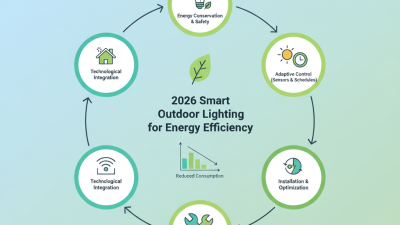
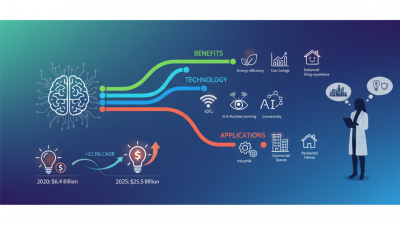
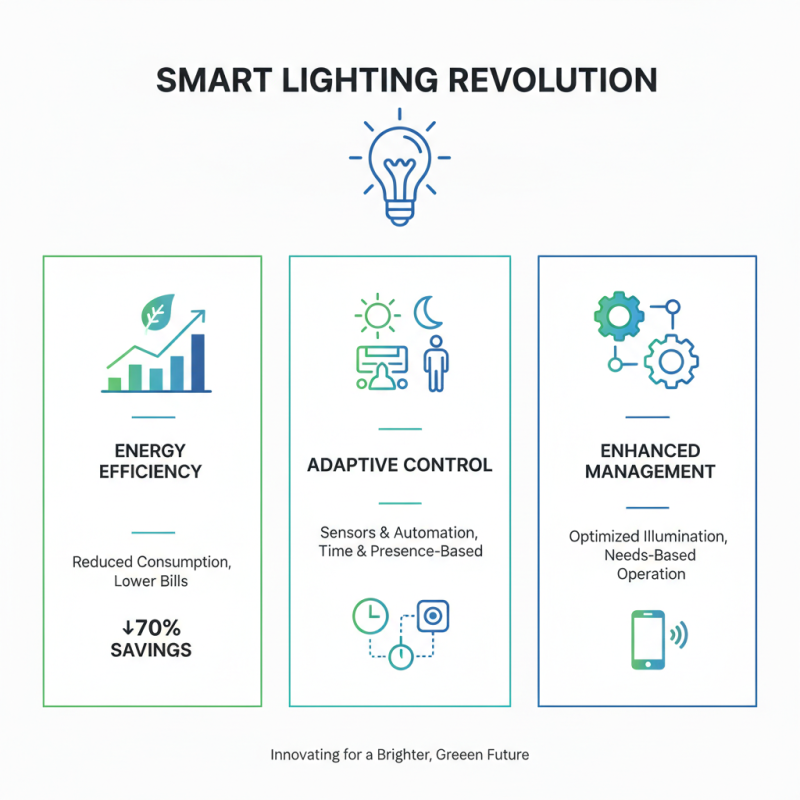
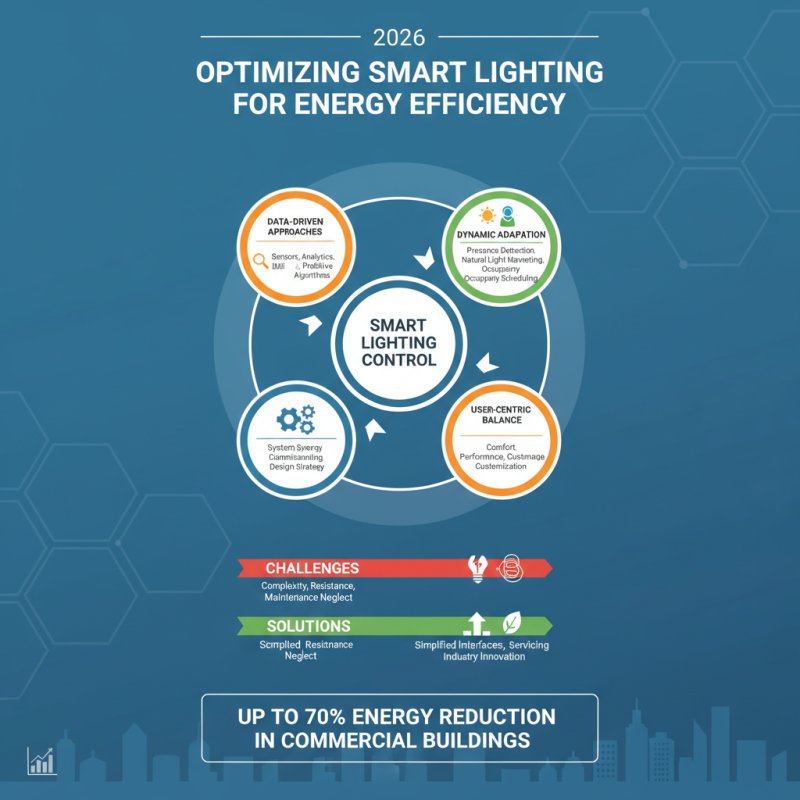
Smart Lighting Control has emerged as a vital component in the quest for energy efficiency. According to a report by the International Energy Agency, smart lighting technologies can reduce energy consumption by up to 70% in commercial buildings. As cities become smarter, optimizing Smart Lighting Control systems is essential. Experts emphasize that failed implementations often arise from poor planning and inadequate integration.
Dr. Emily Rivera, a noted authority in the Smart Lighting industry, stated, "The efficacy of Smart Lighting Control hinges on data-driven approaches." This highlights the need for thoughtful strategies when deploying these systems. Lighting must adapt dynamically to human presence and natural light. However, many systems struggle to balance performance and user comfort, often leading to over-lighting or energy waste.
While advancements are promising, real challenges persist. Current technologies can be complex, leading to user resistance. Moreover, maintenance of these systems can be overlooked. It is crucial to address these inconsistencies to truly harness the potential of Smart Lighting Control. It is time for the industry to reflect on its practices and innovate toward a more sustainable future.
Understanding Smart Lighting Control Systems
Smart lighting control systems are transforming how we manage energy. These systems use sensors and automation to adjust lighting based on occupancy and natural light levels. For instance, a well-designed system may dim lights in unoccupied rooms. This can lead to significant energy savings over time.
Understanding the components of these systems is crucial. Sensors detect movement and ambient light. They communicate with smart controllers to adjust lighting accordingly. However, installation can be complex, often requiring professional help. Many users struggle with setup. Relying solely on technology can lead to oversight in design.
Moreover, there are limitations. Not all sensors work effectively in every environment. Some might malfunction, causing unnecessary energy waste. Regular maintenance is essential to keep systems operating at peak efficiency. Users must remain vigilant, adjusting settings periodically for optimal performance.
Key Factors Influencing Energy Efficiency in Smart Lighting
Smart lighting control plays a crucial role in energy efficiency. A recent study shows that effective lighting management can reduce energy consumption by up to 50%. The integration of sensors and automation is key to achieving this goal. These systems adjust light levels based on occupancy and daylight availability, ensuring lights are only on when needed. This proactive approach not only cuts energy waste but also enhances user comfort.
Tips: Consider installing occupancy sensors in frequently used spaces. This simple upgrade can lead to significant savings. It’s also important to regularly review the system’s performance. Sometimes, outdated fixtures can undermine efficiency.
Another factor impacting energy efficiency is the type of lighting used. LED technologies are known for their longevity and lower energy use. Reports indicate that switching from traditional bulbs to LEDs can save up to 75% in energy costs over time. However, not all LED products perform equally. It’s important to choose high-quality options that deliver consistent performance.
Tips: Research lumen output and efficacy ratings when selecting LEDs. Even small differences can add up to substantial energy savings. Regular maintenance of lighting systems can also help prolong their lifespan, preventing premature replacements.
2026 How to Optimize Smart Lighting Control for Energy Efficiency?
| Factor |
Description |
Impact on Energy Efficiency (%) |
Implementation Cost ($) |
| Light Sensor Technology |
Automatic adjustment of light intensity based on ambient light |
20-30% |
500 |
| Smart Scheduling |
Lighting based on occupancy and time of day |
15-25% |
300 |
| Energy-Efficient LED Lights |
Using LED instead of traditional lighting |
50-70% |
1000 |
| IoT Integration |
Connecting lighting systems to the Internet for remote control |
10-20% |
800 |
| Data Analytics |
Analyzing usage patterns to optimize lighting |
5-15% |
600 |
Strategies for Optimizing Smart Lighting for Energy Savings
Smart lighting systems play a crucial role in energy efficiency. According to the U.S. Department of Energy, lighting accounts for about 25% of a building's energy use. Optimizing smart lighting can yield significant savings. By integrating motion sensors, lighting can automatically adjust based on occupancy. Reports indicate that this can reduce energy consumption by up to 30%.
Additionally, utilizing daylighting techniques improves efficiency. By harnessing natural light, buildings can significantly cut electric use during the day. Studies show that buildings equipped with smart lighting, combining both daylighting and LED technology, use 50% less energy than traditional systems. However, many facilities underutilize these strategies.
Challenges remain in user engagement and system integration. Often, users do not understand how to maximize smart systems. This gap in knowledge can hinder energy savings. Training and awareness are essential. In some cases, the initial installation costs remain a barrier for implementation. Even with these hurdles, addressing lighting optimization is a promising avenue for reducing energy costs and environmental impact.
2026 Smart Lighting Energy Efficiency Optimization Strategies
This chart illustrates the estimated percentage of energy savings that can be achieved through various strategies for optimizing smart lighting systems. Implementing these strategies can significantly improve energy efficiency.
Evaluating the Impact of Smart Lighting on Sustainability and Cost
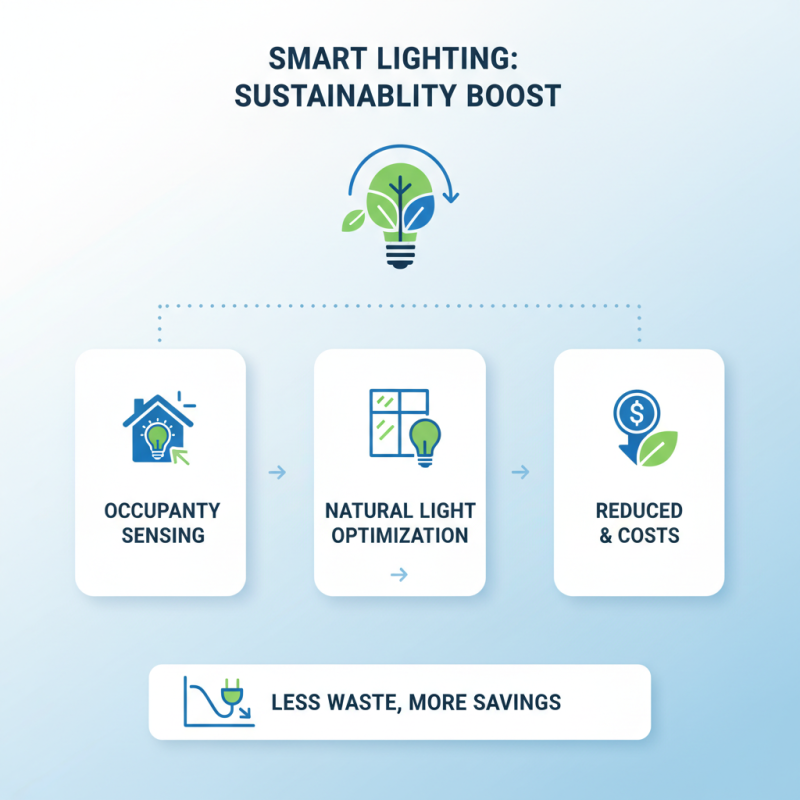
Smart lighting is more than just convenience; it can significantly enhance sustainability. By adjusting brightness based on occupancy and natural light, energy use can be optimized. For example, dimming lights in unoccupied rooms and brightening them in areas with sunlight creates a balanced atmosphere. This flexibility can lead to reduced electricity costs over time.
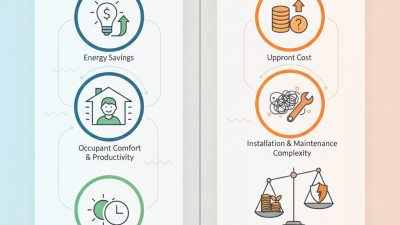
However, the initial setup of smart lighting systems can be daunting. The technology might require upfront investment, which can deter some organizations. Additionally, user training is essential to realize the full potential of these systems. Not everyone feels comfortable with new technologies. It's crucial to address these barriers for broader adoption.
Beyond cost savings, smart lighting impacts overall energy efficiency. It contributes to lower carbon emissions and a reduced environmental footprint. Still, the effectiveness hinges on continuous evaluation. Regular assessments can help in understanding how these systems perform over time. This ongoing reflection will ensure smarter decisions for the future of urban infrastructure.