Understanding Motion Sensor Street Light Projects: Benefits and Installation Guide
In recent years, urban planning and development have increasingly focused on sustainability and energy efficiency, making initiatives like the Motion Sensor Street Light Project essential for modern cities. These innovative lighting systems leverage advanced technology to enhance public safety and reduce energy consumption, providing numerous benefits to communities. By responding dynamically to movement, these lights illuminate only when necessary, resulting in significant cost savings and a lower carbon footprint.
This installation guide aims to unpack the advantages of implementing a Motion Sensor Street Light Project and provide practical advice for municipalities and organizations looking to adopt this technology. From improved safety measures for pedestrians and cyclists to the convenience of automated lighting, the benefits of motion sensor street lights extend beyond mere illumination. Understanding the key considerations for installation, including site assessments and sensor placement, will ensure the successful deployment of these systems, ultimately leading to smarter, safer, and more sustainable urban environments. Embracing this innovative solution not only enhances the quality of life for residents but also represents a critical step towards greener city infrastructure.

Benefits of Motion Sensor Street Lights for Urban Areas
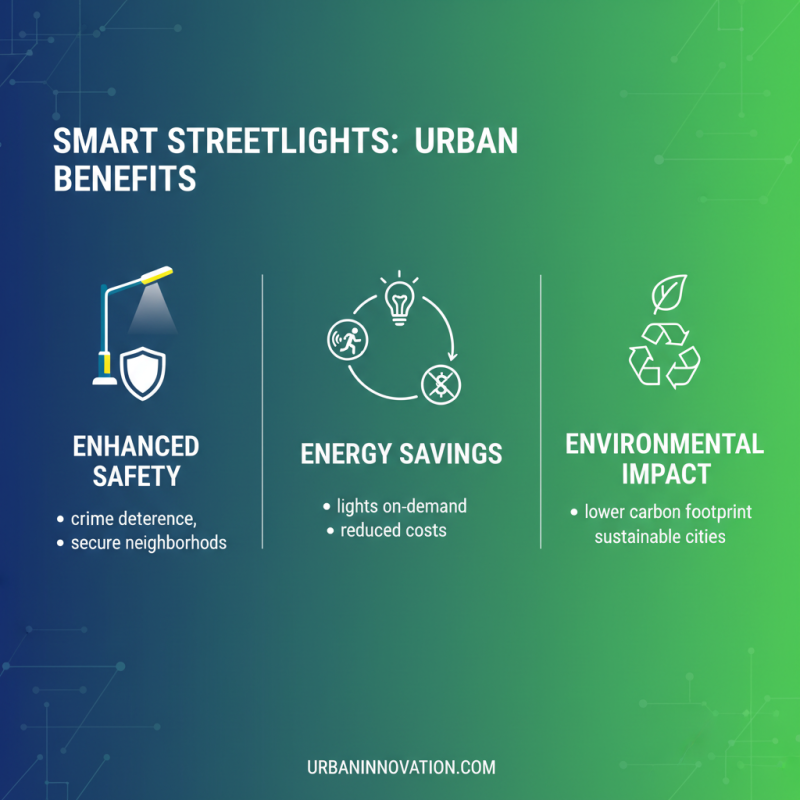
Motion sensor street lights are becoming increasingly popular in urban areas due to their numerous benefits. One of the primary advantages is enhanced safety. Traditional street lighting often remains on throughout the night, leading to unnecessary energy consumption and higher costs. In contrast, motion sensor lights activate only when movement is detected, illuminating dark areas and deterring potential criminal activity. This responsive feature not only provides adequate lighting when needed but also fosters a sense of security among residents.
Another significant benefit of motion sensor street lights is energy efficiency. By utilizing advanced sensor technology, these lights consume less electricity compared to conventional systems, resulting in cost savings for municipalities. Additionally, reduced energy consumption contributes to lower carbon emissions, aligning with sustainability goals that many urban areas strive to achieve. Furthermore, the decreased need for maintenance and longer lifespan of LED lights used in these systems further enhance their economic viability, making them a smart choice for city planners.
Key Components of Motion Sensor Street Light Systems
Motion sensor street light systems are becoming increasingly popular due to their energy efficiency and enhanced security features. At the core of these systems are several key components that work together to provide optimal performance.
The motion sensor itself is a critical element, typically utilizing infrared or microwave technology to detect movement within its vicinity. This allows the lights to remain off or dimmed when no activity is present, conserving energy and extending the lifespan of the bulbs.
Another essential component is the LED lighting fixtures, which are favored for their longevity and reduced power consumption. Integrated with the motion sensors, these fixtures can adjust their brightness based on the detection of pedestrians or vehicles.
Additionally, a controller unit is crucial for processing signals from the motion sensors and managing the power supplied to the lights. This unit can often be programmed for varying sensitivity levels and response times, allowing customization based on specific environmental conditions or user requirements. Together, these components create a robust system that enhances safety while minimizing energy costs.
Step-by-Step Installation Process for Motion Sensor Street Lights
Installing motion sensor street lights not only enhances public safety but can also significantly reduce energy consumption. According to the U.S. Department of Energy, outdoor lighting accounts for 27% of total electricity consumption in the commercial sector. By switching to motion sensor technology, municipalities can lower their energy usage by up to 50%. These sensors activate the light only when motion is detected, thus conserving energy during periods of inactivity.
The installation process for motion sensor street lights can be streamlined by following a few essential steps. First, assess the area to determine optimal placement for maximizing coverage and efficiency. Next, gather all necessary tools and equipment, including the lights, mounting hardware, and wiring materials. Begin the installation by securing the light fixture to a sturdy pole or post at the desired height, then connect the wiring according to the manufacturer's guidelines. Finally, calibrate the motion sensor settings to ensure optimal detection and performance.
Tips: When selecting the location for installation, consider factors such as pedestrian traffic and potential obstructions that might hinder sensor performance. Additionally, familiarize yourself with local regulations regarding outdoor lighting to ensure compliance and enhance community acceptance. Regular maintenance checks can also prolong the lifespan and efficacy of the lighting system, ensuring ongoing energy savings and safety benefits.
Maintenance Tips for Long-Lasting Motion Sensor Street Lights
Motion sensor street lights are becoming increasingly popular due to their energy efficiency and ability to enhance public safety. However, to maximize their benefits and lifespan, proper maintenance is crucial. Maintaining these lighting systems not only ensures sustained performance but also plays a significant role in reducing operational costs.
According to a report by the Department of Energy, motion-sensing lights can reduce energy consumption by up to 60% compared to traditional street lighting.
Regular maintenance tips for motion sensor street lights include ensuring that the sensors and bulbs remain clean and free from obstructions. Dust and debris can hinder the performance of the sensors, reducing their sensitivity. It's also important to check the alignment of the sensors periodically. If they are misaligned, they may not detect movement effectively, leading to wasted energy and reduced functionality.
Lastly, it is advisable to schedule routine inspections to identify any issues early on. During these inspections, replace any malfunctioning bulbs promptly and test the sensors to confirm they are working correctly. A proactive maintenance approach can extend the life of your motion sensor street lights significantly, allowing for a consistent reduction in energy costs and increased safety in public spaces.
Comparative Analysis: Motion Sensor vs. Traditional Street Lighting
When comparing motion sensor street lights with traditional street lighting, several key differences emerge, especially in terms of efficiency and functionality. Motion sensor lights operate based on the presence of pedestrians or vehicles, activating only when movement is detected. This results in reduced energy consumption, as lights remain off during low activity periods. On the other hand, traditional street lights operate continuously, whether or not there is any pedestrian or vehicular presence, leading to unnecessary energy use and heightened operational costs.
In addition to energy savings, motion sensor street lights offer enhanced safety features. They can provide illumination exactly when and where it is needed, which may deter potential criminal activities and create a more secure environment. Traditional street lighting, while maintaining constant visibility, lacks this adaptive capability and often leads to uniformly lit but less effective areas. Furthermore, the installation of motion sensor lights can also lead to lower maintenance costs over time due to their longer lifespan and reduced usage, unlike traditional bulbs that need regular replacements. Overall, the transition from conventional street lighting to motion-sensor systems can yield significant benefits in terms of energy efficiency, safety enhancements, and cost-effectiveness.