What is Lighting And Design in Interior Spaces?
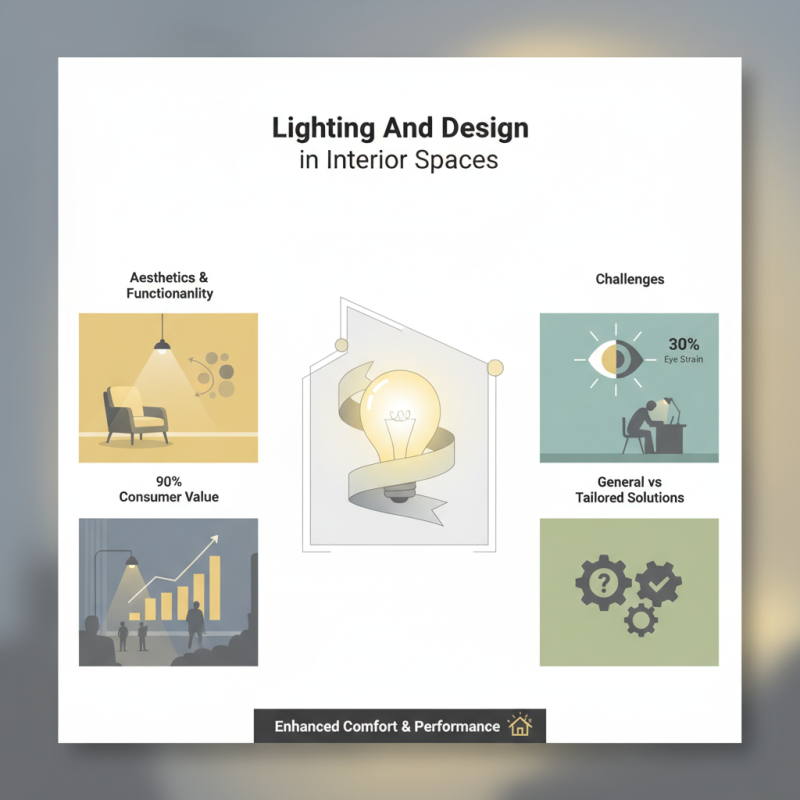
Lighting and design play crucial roles in shaping interior spaces, influencing aesthetics and functionality. Research highlights that about 90% of consumers consider effective lighting necessary for creating ambiance. Proper lighting enhances mood and productivity in various environments. A well-designed space can elevate user experience, making it more enjoyable and functional.
However, the interplay between lighting and design often gets overlooked. Many professionals rely heavily on general guidelines rather than tailored solutions. This approach can lead to overlooked nuances that impact the overall design. For example, dim lighting in a workspace may decrease productivity rather than promote relaxation.
Moreover, statistics indicate that poorly lit spaces can increase eye strain by approximately 30%. Such findings underline the importance of integrating thoughtful lighting design. Striking a balance between aesthetics and practical functionality is essential. Investing in proper lighting can dramatically enhance both comfort and performance in interior designs.
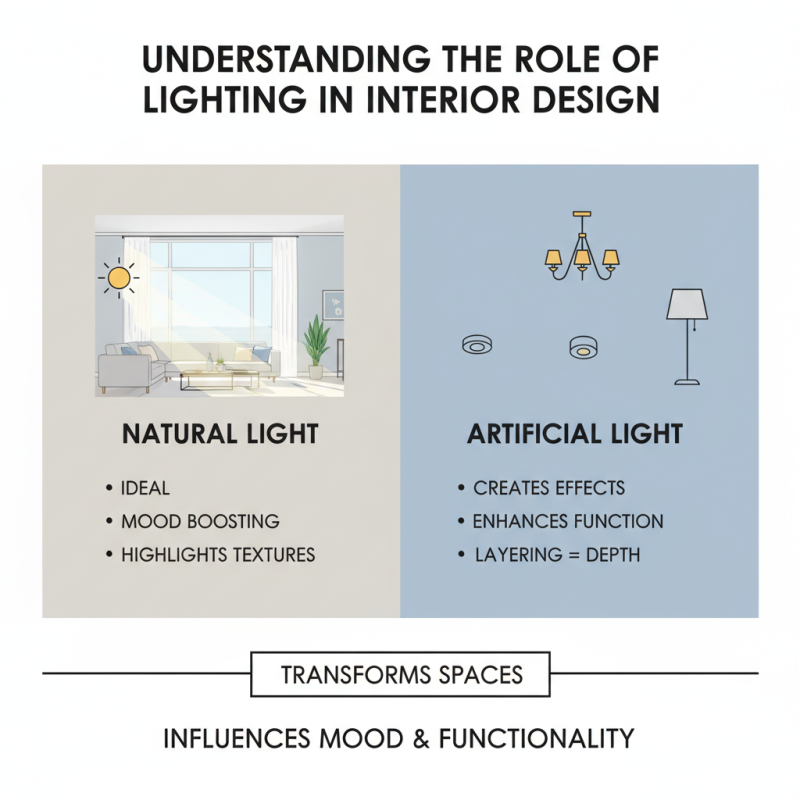
Understanding the Role of Lighting in Interior Design
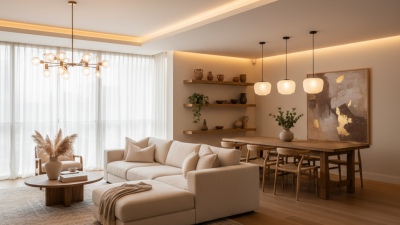
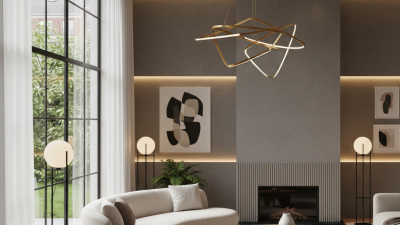
Lighting plays a crucial role in shaping interior spaces. It influences mood, highlights features, and enhances functionality. The right lighting can transform a dull room into a vibrant environment. Natural light is ideal, but artificial options can also create stunning effects. Layering different light sources adds depth and variety.
When designing spaces, consider the purpose of each room. For cozy living areas, use warm, soft lighting. For workspaces, opt for bright, focused lighting. Experiment with different fixtures and placements. A sconce can add charm beside a painting. Ceiling lights provide even illumination. Table lamps offer flexibility and style.
Tips for effective lighting: Avoid harsh overhead lighting to prevent glare. Balance ambient, task, and accent lighting for a well-rounded effect. Remember to adjust your lighting based on the time of day. This approach encourages a dynamic atmosphere that reflects your lifestyle. Always reflect on how your choices impact the overall feel of the room.
Types of Lighting: Ambient, Task, and Accent Explained
Lighting plays a crucial role in interior design, influencing mood and functionality. Among the various types of lighting, three main categories stand out: ambient, task, and accent lighting. Each serves distinct purposes, affecting how we experience and interact with our environments.
Ambient lighting provides the overall illumination for a space. It creates a base layer of light that shapes the room’s atmosphere. Professionally designed spaces often target around 300 lux for living areas, ensuring comfort without overwhelming brightness.
Task lighting, on the other hand, focuses on specific areas where activities are performed. This includes reading, cooking, or working. It is typically brighter, reaching between 500 to 800 lux in areas like home offices and kitchens. The accuracy of task lighting is essential for productivity and safety, yet many spaces overlook this need.
Accent lighting adds depth and interest, highlighting artwork or architectural features. Experts recommend a contrast of 3:1 between ambient and accent lighting to create a striking visual impact. However, achieving the perfect balance can be challenging. Many individuals mistakenly underestimate this layer, leading to flat and uninviting spaces.
Lighting design requires careful planning and sometimes adjustments to enhance overall aesthetics and functionality. Being aware of these aspects is key to making informed choices in interior spaces.
The Impact of Color Temperature on Mood and Atmosphere
Color temperature plays a crucial role in shaping the mood and atmosphere of interior spaces. It influences how we perceive environments and can evoke different feelings. For instance, warm tones, like soft yellows and oranges, create a cozy, inviting ambiance. These colors often promote relaxation and comfort, making them perfect for living rooms or bedrooms. Meanwhile, cooler tones, such as blues and whites, offer a more energizing feel. They can enhance focus and alertness, ideal for workspaces or kitchens.
Choosing the right color temperature requires thoughtful consideration. The same space can feel entirely different based on lighting choices. If the walls are painted in neutral shades, warm lights can make the area inviting. However, cool lights can highlight modern designs and cleanliness. It’s essential to test various bulbs in your setting. Sometimes, the initial choice might lack the desired impact, prompting a need to reflect on adjustments.
Tips for achieving the right atmosphere include experimenting with color samples at different times of day. Light changes with the sun, affecting how it interacts with your space. Layering light sources—overheads, accent lights, and task light—can enhance depth and warmth. Always be prepared to rethink your selections if the mood doesn’t align with your vision. Small adjustments, such as switching bulbs, can make a significant difference.
Designing Spaces: Balancing Natural and Artificial Light
Natural light plays a critical role in interior design. It brings warmth and enhances feelings of spaciousness. Large windows, skylights, and open spaces can dramatically affect how a room feels. However, balancing this natural light with artificial lighting is essential. Too much sunlight can create glare and discomfort.
Artificial lighting should complement the natural light sources. It is vital to choose the right fixtures and bulbs. Soft white lights create cozy atmospheres, while brighter lights can energize a space. Layering different types of lighting can offer flexibility in various settings. Dimmers and smart controls can help adjust the ambiance throughout the day.
Mindful design involves constant reflection. Are the spaces overly illuminated? Could more natural light be harnessed? Each aspect of lighting needs careful consideration. Not all layouts work perfectly. Designers often face challenges when trying to create harmony between light sources. Thoughtful adjustments and innovative solutions can lead to a better balance.
Techniques for Lighting Control and Energy Efficiency in Interiors
Lighting plays a crucial role in interior design. It affects mood, functionality, and aesthetics. Energy efficiency in lighting helps reduce costs and environmental impact. Implementing controlled lighting techniques enhances both comfort and sustainability.
Tips for energy-efficient lighting include using LED bulbs, which consume less energy and last longer. Dimmers are another great choice, allowing you to adjust brightness based on needs. Daylight is a natural resource that can be harnessed. Large windows and reflective surfaces maximize this effect.
Consider the placement of lights carefully. Overly bright spots can lead to discomfort. Balance is key in achieving a harmonious space. Regularly assess your lighting setup. It’s essential to adapt to changing needs and seasons. This reflective approach ensures your lighting design remains effective and efficient.