Why Lighting and Design Matter for Creating Inviting Spaces
Creating inviting spaces is an intricate dance between aesthetics and functionality, where "Lighting And Design" play pivotal roles. Renowned interior designer Thomas O'Brien has famously stated, "Good design is about creating an experience, and lighting is a major part of that." This insight underscores the significance of these elements in making environments not only visually appealing but also welcoming and comfortable.
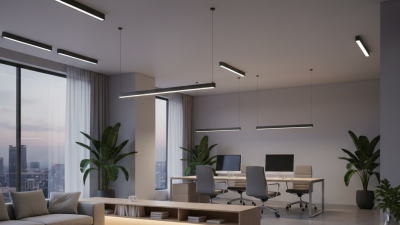
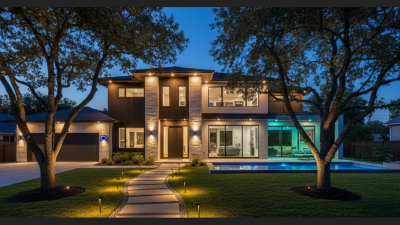
Effective lighting can dramatically transform a space, enhancing architectural features while also fostering a mood that resonates with its purpose. The interplay between natural light and artificial sources can create warmth and intimacy, encouraging people to engage and connect with their surroundings. When combined thoughtfully with design elements, the impact of lighting is magnified, as it accentuates colors, shapes, and textures, allowing them to shine in their best light.
In today's fast-paced world, the spaces we inhabit must be more than just functional—they should invite us in and provide a sense of belonging. By prioritizing "Lighting And Design," we can craft environments that uplift the human spirit and promote a feeling of community, making every corner a place where people feel at home.
The Importance of Lighting in Interior Design
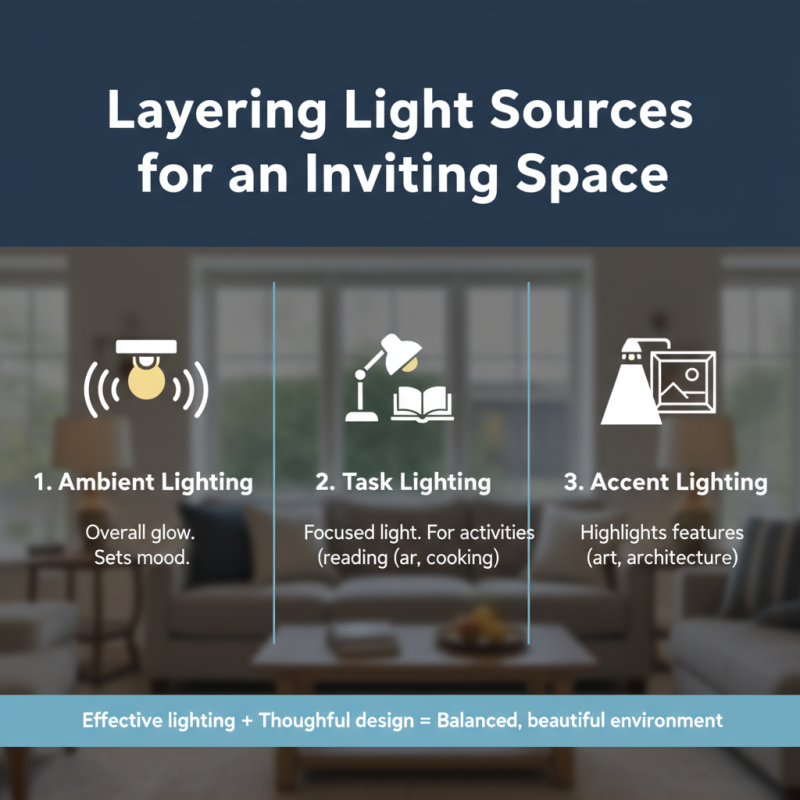
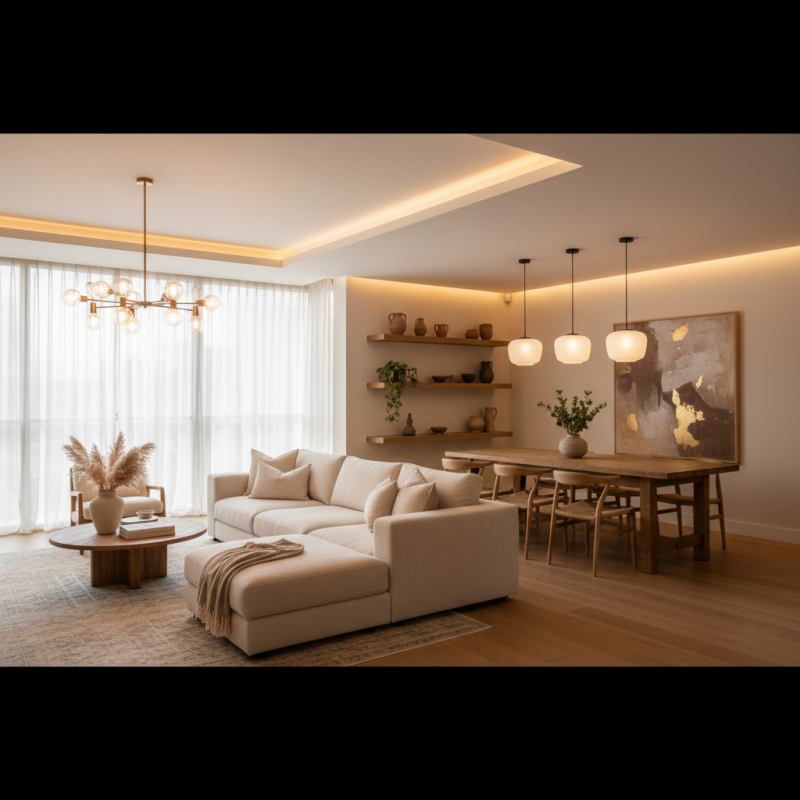
Lighting plays a pivotal role in interior design, influencing not just the aesthetic appeal of a space, but also its functionality and mood. Proper lighting can transform a room from drab to delightful, highlighting architectural features and decorative elements while providing the necessary illumination for everyday activities. Ambient lighting sets the overall tone, while task lighting ensures that specific areas are well-lit for functions like reading or cooking. When layered effectively, these different types of lighting create a dynamic environment that is both attractive and practical.
Moreover, the psychological impact of lighting should not be overlooked. Soft, warm lighting can evoke feelings of comfort and tranquility, making spaces more inviting and pleasant for inhabitants and guests alike. Conversely, harsh lighting can create tension and discomfort, detracting from the overall design and purpose of a room. By strategically using light fixtures and adjustable lighting options, designers can manipulate the mood of a space to suit various occasions, enhancing the overall experience and engagement within that environment. This thoughtful approach to lighting design not only complements the intended design aesthetic but also enriches the functionality of each area in a profound way.
Why Lighting and Design Matter for Creating Inviting Spaces
| Aspect |
Description |
Impact on Space |
Examples |
| Natural Lighting |
Utilization of daylight to enhance the atmosphere. |
Creates a warm and welcoming environment; boosts mood. |
Large windows, skylights. |
| Ambient Lighting |
General illumination for the entire space. |
Sets the overall tone; enhances comfort and visibility. |
Ceiling fixtures, wall lights. |
| Task Lighting |
Focused light for specific activities. |
Improves functionality and reduces eye strain. |
Desk lamps, under-cabinet lights. |
| Accent Lighting |
Highlighting specific features or decor. |
Adds character and visual interest. |
Spotlights, picture lights. |
| Color Temperature |
Warm vs. cool light tones. |
Affects emotional response and ambiance. |
2700K (warm), 5000K (cool). |
How Color and Texture Impact Space Perception
The colors and textures used in a space significantly influence how it is perceived by its occupants. Color plays a crucial role in evoking emotions and setting the mood; warm hues like reds and oranges can create an inviting and energetic atmosphere, while cooler tones like blues and greens tend to promote calmness and relaxation. The psychological effects of color should be carefully considered when designing spaces, as they can alter our perceptions and even affect our behaviors. For instance, softer pastel shades can create a sense of openness and serenity, making a room feel more expansive, whereas darker colors often give a sense of coziness but can also make a space feel smaller and more confined.
In addition to color, the choice of textures adds another layer of depth and warmth to a space. Textures can create visual interest and tactile experiences, shaping how people interact within the environment. A combination of smooth, soft fabrics with rough, natural materials can create a balanced and inviting atmosphere. Incorporating elements like wooden surfaces, plush cushions, and woven rugs can help foster a sense of comfort and belonging.
Ultimately, the thoughtful integration of color and texture in design not only enhances the aesthetic appeal but also contributes to the overall warmth and invitation of a space, making it more welcoming for its inhabitants.
Design Strategies for Enhancing Ambiance
Creating an inviting space hinges significantly on effective lighting and thoughtful design strategies. To enhance ambiance, layering different light sources is crucial. Utilize ambient, task, and accent lighting to create a balanced environment that is both functional and visually appealing. Ambient lighting provides the overall glow of a space, while task lighting focuses on areas where activities take place, like reading or cooking. Accent lighting highlights particular features, such as artwork or architectural details, adding depth and interest to the environment.
Tips: Consider dimmable light fixtures to adjust the brightness according to the time of day or occasion. This flexibility allows you to create a cozy atmosphere for relaxing evenings or a brighter setting for productive daytime activities.
In addition to lighting, color scheme and furnishings play a vital role in enhancing ambiance. Opt for a cohesive color palette that reflects your desired mood. Soft, warm tones can create a sense of tranquility, while bold colors can inject energy into the space. Additionally, choose furniture that invites comfort and conversation, facilitating a welcoming environment.
Tips: Incorporate natural elements, such as plants or wooden textures, to foster a connection with nature, which can significantly impact the warmth and airiness of a space.
By carefully considering lighting choices and design elements, you can transform any area into an inviting oasis that resonates with comfort and style.
The Role of Furniture Arrangement in Creating Inviting Areas
The arrangement of furniture plays a pivotal role in transforming any space into an inviting area. When considering how to arrange furniture, the goal should be to foster both comfort and functionality. An effective layout promotes conversation and interaction, while also ensuring that the space feels welcoming and open. For instance, positioning seating in a circular formation encourages social engagement, whereas maintaining ample pathways allows for easy movement throughout the area.
**Tips:** To create a more inviting atmosphere, consider mixing various seating types, such as sofas, chairs, and ottomans. This not only adds visual interest but also caters to different preferences. Additionally, ensure that any furniture piece is adequately spaced to encourage casual gatherings. A good rule of thumb is to place coffee tables and side tables close enough to reach comfortably, yet far enough apart to prevent clutter.
Moreover, incorporating multi-functional furniture can enhance the inviting nature of a space. For example, a bench with storage offers extra seating while helping to keep the area tidy. When selecting your furniture arrangement, remember to consider the flow of the room, prioritizing natural light and the focal points that will draw people in. A well-thought-out furniture layout combined with thoughtful lighting can truly elevate the invitation level of any room.
Tips for Balancing Natural and Artificial Light Properly
Creating inviting spaces hinges on the delicate balance of natural and artificial light. Natural light has a unique ability to energize and uplift a room, fostering a sense of openness and warmth. To harness this, it’s important to consider the orientation of windows, the size of openings, and the placement of reflective surfaces that can maximize sunlight. Strategically selecting light, airy colors for walls and furnishings can further enhance the effectiveness of sunlight, creating an illusion of more space and inviting a calming atmosphere.
Artificial lighting, on the other hand, plays a crucial role in filling in gaps left by natural light, especially during the evening hours or in spaces that lack sufficient windows. When layering lighting in a room, it’s vital to use a combination of ambient, task, and accent lighting. Dimmers are also key, allowing for adjustments based on the time of day and the desired mood. The goal is to ensure that artificial light complements natural light rather than overpowering it. For instance, placing warm-toned bulbs in living areas can evoke coziness, while brighter, cooler daylight bulbs are ideal for workspaces, enhancing focus and productivity. This thoughtful approach to illumination helps create spaces that are both functional and inviting.