Top Intelligent Lighting Solutions for Modern Homes and Businesses?
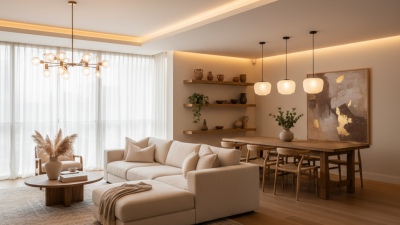
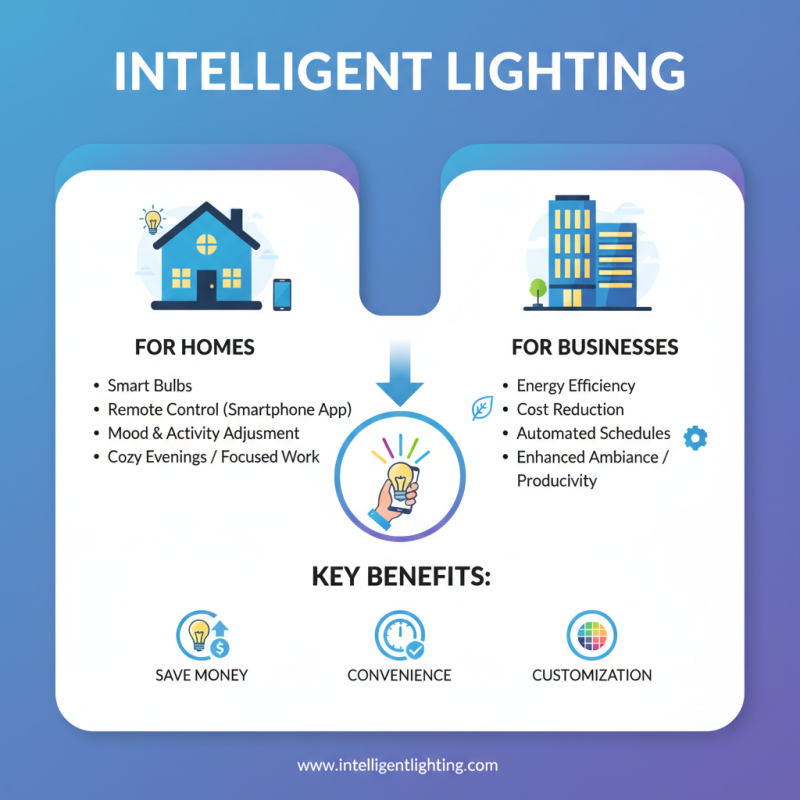
In the age of smart technology, intelligent lighting has emerged as a game-changer for both homes and businesses. This innovative lighting solution transforms ordinary spaces into dynamic environments. Imagine adjusting your lights to match your mood or schedule with just a tap on your phone.
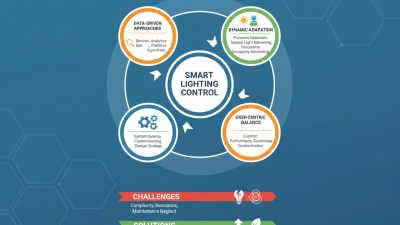
Intelligent lighting not only enhances aesthetics but also boosts energy efficiency. Smart systems can significantly reduce energy costs. They respond to natural light, providing optimal brightness while saving electricity. However, there can be a learning curve. Users may find complexities when integrating these systems into their existing setups.
Despite some challenges, the benefits of intelligent lighting are undeniable. From automated schedules to voice control, this technology elevates everyday experiences. It is essential to reflect on the importance of user-friendliness in system design. An ideal intelligent lighting solution should be accessible to everyone, regardless of tech-savviness. Ultimately, the right choice can lead to a more sustainable and enjoyable living or working environment.
Key Features of Intelligent Lighting Solutions
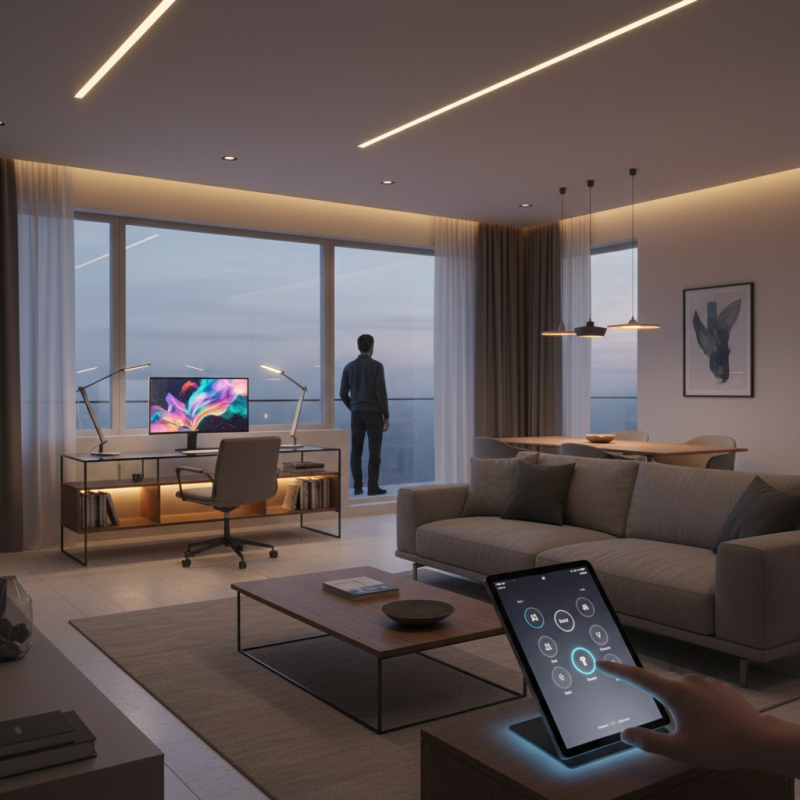
Intelligent lighting solutions are transforming how we illuminate our spaces. These systems adapt to user preferences and environmental conditions. They can adjust brightness based on natural light. Some features even allow for color change to set the mood. Imagine a room that goes from bright white during the day to a warm amber at night. It creates a welcoming atmosphere.
Remote control is a significant benefit. With a smartphone or tablet, users can adjust settings from anywhere. Voice activation is another trendy feature. Just a simple command changes the light instantly. However, managing these systems can be complex. Users may find the learning curve steep. Sometimes, settings can be unintuitive, leading to frustration.
Energy efficiency is a highlight of intelligent lighting. Using LED technology helps reduce consumption. Yet, integration with other smart devices isn’t always seamless. Some systems face connectivity issues. This can limit the full potential of intelligent features. Overall, while intelligent lighting can elevate a space, it requires thoughtful implementation and ongoing adjustments.
Top Intelligent Lighting Solutions for Modern Homes and Businesses
This chart illustrates the popularity of various intelligent lighting solutions for modern homes and businesses. Smart bulbs lead the way with 30% preference, followed by motion sensors at 25%. Dimming controls, smart switches, and integration with home automation hold smaller shares, indicating diverse user needs and preferences in smart lighting technologies.
Types of Intelligent Lighting Technologies for Homes and Businesses
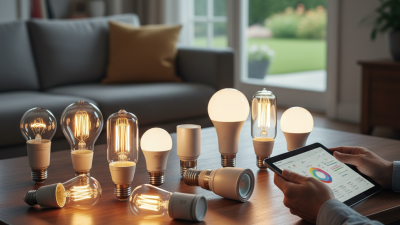
Intelligent lighting technologies offer exciting possibilities for both homes and businesses. Smart bulbs are among the most common options. They can be controlled remotely via smartphone apps. This convenience allows users to adjust brightness and color according to mood or activity. Imagine setting a warm glow for a cozy evening or bright white for focused work.
Another popular choice is smart lighting systems that integrate with home automation setups. These systems allow lights to respond to motion or even voice commands. This hands-free experience adds comfort but can sometimes lead to miscommunication. A command might not always execute as intended, leading to frustration.
Moreover, intelligent lighting can enhance security. Motion-sensor lights outside can deter intruders. In businesses, automatic lighting systems can optimize energy use. However, these systems may require careful planning to avoid over-illumination. Balancing aesthetics and functionality in lighting design can be challenging, yet incredibly rewarding.
Benefits of Implementing Smart Lighting Systems
Smart lighting systems have transformed how we light our homes and businesses. They provide not just brightness but also efficiency and convenience. A recent study highlighted that smart lighting can reduce energy consumption by up to 30%. This means significant savings on electricity bills over time. These systems can adapt to the needs of the inhabitants, adjusting automatically based on occupancy or time of day.
Implementing smart lighting also enhances security. Well-lit areas deter potential intruders. Data suggests that homes with smart outdoor lighting experience a 45% reduction in burglary incidents. The technology allows for intricate control, like setting schedules or dimming lights remotely. Yet, many users still struggle with the complexity of integration. This can lead to frustration and underutilization of features. Moreover, the initial investment can be daunting—though long-term benefits often justify the cost.
Many users may not fully grasp the benefits. Reports indicate that nearly 40% of users do not take advantage of energy-saving features. As a society, we should reflect on how we use technology to maximize benefits. Simplifying user experience and educating consumers could bridge this gap. Ignoring these elements hinders the full potential of intelligent lighting solutions in both homes and businesses.
Top Intelligent Lighting Solutions for Modern Homes and Businesses
| Feature |
Description |
Benefits |
Energy Efficiency (%) |
| Smart Sensors |
Automatic adjustment of lighting based on occupancy and natural light. |
Reduces energy waste, enhances convenience. |
30% |
| Remote Control |
Control lighting from anywhere via smartphone apps or voice assistants. |
Increased flexibility and accessibility. |
25% |
| Customization |
Ability to set moods and scenes with adjustable color temperatures. |
Enhances ambiance and productivity. |
20% |
| Integration with Smart Home Systems |
Seamlessly works with other smart devices like thermostats and security systems. |
Improves overall home automation and efficiency. |
35% |
| Adaptive Lighting |
Lighting adjusts to time of day and user activity. |
Promotes health and well-being by mimicking natural light. |
40% |
Integration of Intelligent Lighting with Home Automation
Intelligent lighting solutions are transforming modern homes and businesses. Integrating these systems with home automation enhances convenience and energy efficiency. In fact, a recent study found that smart lighting can reduce energy use by 30%. This statistic underscores the potential for savings in both residential and commercial spaces.
With intelligent lighting, users can control brightness and color with ease. Voice commands and smartphone apps allow for seamless adjustments. Imagine setting a soft glow for an evening gathering or brightening a workspace for productivity. However, not all users realize the complexities involved. Installation and maintenance can be tricky. Some may struggle with compatibility between devices.
User data reveals that around 40% of smart lighting users feel overwhelmed by the technology. This highlights the need for better education and support. Many people want to use smart lighting but face barriers. These challenges can prevent full integration into their routines. Finding the right balance between ease of use and advanced features is crucial.
Future Trends in Intelligent Lighting Solutions
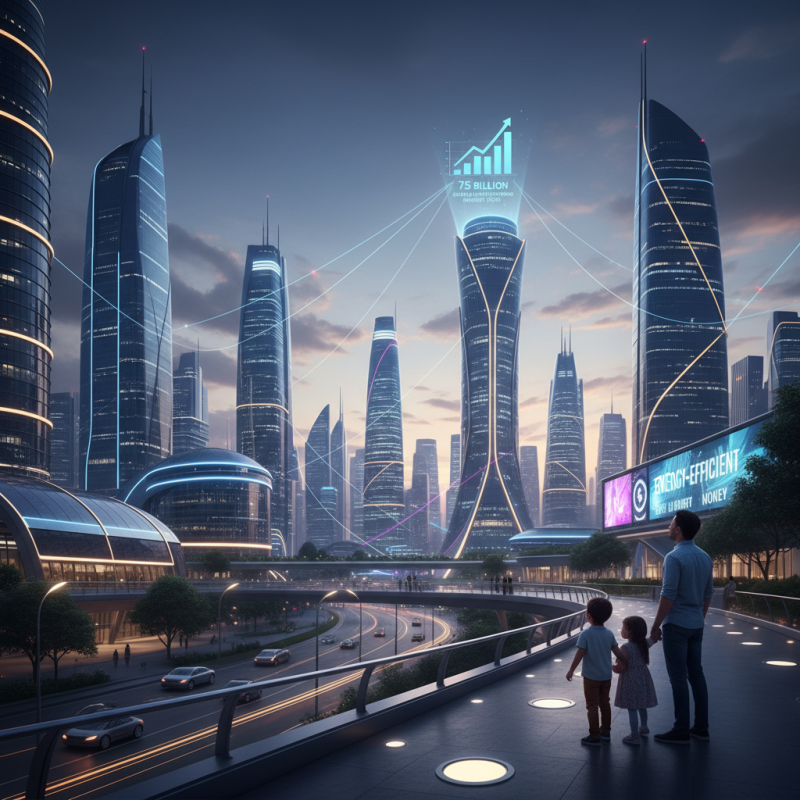
The future of intelligent lighting solutions is bright. According to a recent report by Industry Research, the global smart lighting market is expected to reach $75 billion by 2026. This growth is fueled by the increasing demand for energy-efficient lighting systems. People want to save money on energy bills. Smart lighting offers that advantage.
Homeowners are now looking for integration. Automated lighting systems can work with smartphones and voice assistants. They provide convenience and enhance security. A study showed that 80% of users reported feeling safer with motion-activated lights. However, challenges remain. Not all systems are user-friendly. Installation can be complex and daunting.
Businesses are also adopting intelligent lighting. A recent survey indicated that 70% of companies plan to upgrade their lighting in the next year. They see potential in reducing overhead costs. Yet, the need for proper planning is crucial. Many installations fail due to poor layout choices. Some users express frustration with connectivity issues. Thus, while the future looks promising, there are hurdles to overcome for widespread adoption.