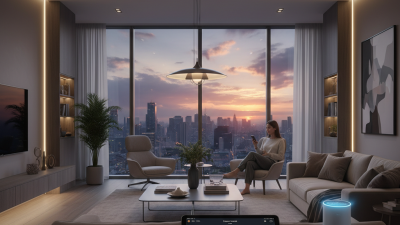
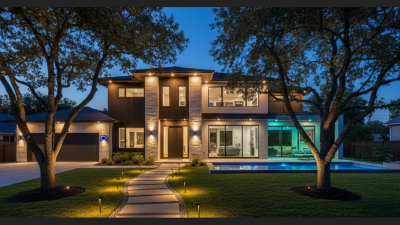
Why Choose an Intelligent Lighting Control System for Your Home or Business?
In recent years, the demand for Intelligent Lighting Control Systems has surged. A report from the Lighting Research Center indicates that these systems can reduce energy consumption by up to 60%. Businesses and homeowners alike are looking for ways to enhance comfort and efficiency.
Dr. Emily Ross, a lighting technology expert, emphasizes the evolving market. She states, "Intelligent lighting changes how we interact with our spaces." This technology allows users to customize lighting based on the time of day or activities. As energy costs rise, understanding the benefits of these systems becomes crucial.
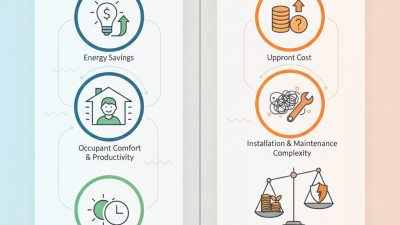
Despite the clear advantages, some might hesitate. Implementation can be complex and costly initially. However, the long-term savings often outweigh these challenges. The investment can lead to smarter, more sustainable living and working environments. Exploring this topic can provide insights into making more informed choices for our spaces.
Benefits of Intelligent Lighting Control Systems for Home Environments
When it comes to intelligent lighting control systems, their benefits for home environments stand out remarkably. Research from the U.S. Department of Energy notes that smart lighting can save up to 75% on energy costs. This significant reduction appeals to homeowners who seek sustainability. Additionally, these systems allow for tailored lighting that enhances mood and productivity. Studies show that well-lit spaces increase focus, potentially boosting work performance by 20%.
The aesthetic appeal is another vital aspect. By controlling intensity and color temperature, homeowners can create inviting atmospheres. Different settings can significantly affect the perception of space. For example, warmer tones can make a room feel cozier, while cooler tones can energize your environment. Implementing smart lighting affords the flexibility to change the ambiance easily, underscoring style and functionality.
Tips: Consider adding motion sensors to your home. They can turn lights on and off automatically, improving energy efficiency. Another suggestion is to allow for natural light integration. Blending artificial lighting with natural sources can create a balanced environment. Evaluate your current usage and think about how intelligent systems can improve your space.
Benefits of Intelligent Lighting Control Systems for Home Environments
Key Features of Intelligent Lighting Control for Businesses
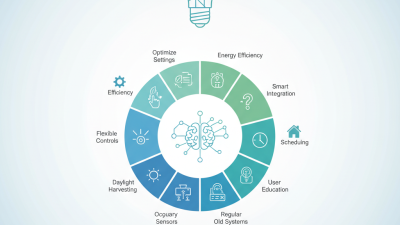
Intelligent lighting control systems provide numerous benefits for businesses. These systems enhance energy efficiency and reduce costs. According to a report by the U.S. Department of Energy, smart lighting can cut energy consumption by up to 40%. This reduction can lead to significant savings in utility bills, especially for large facilities.
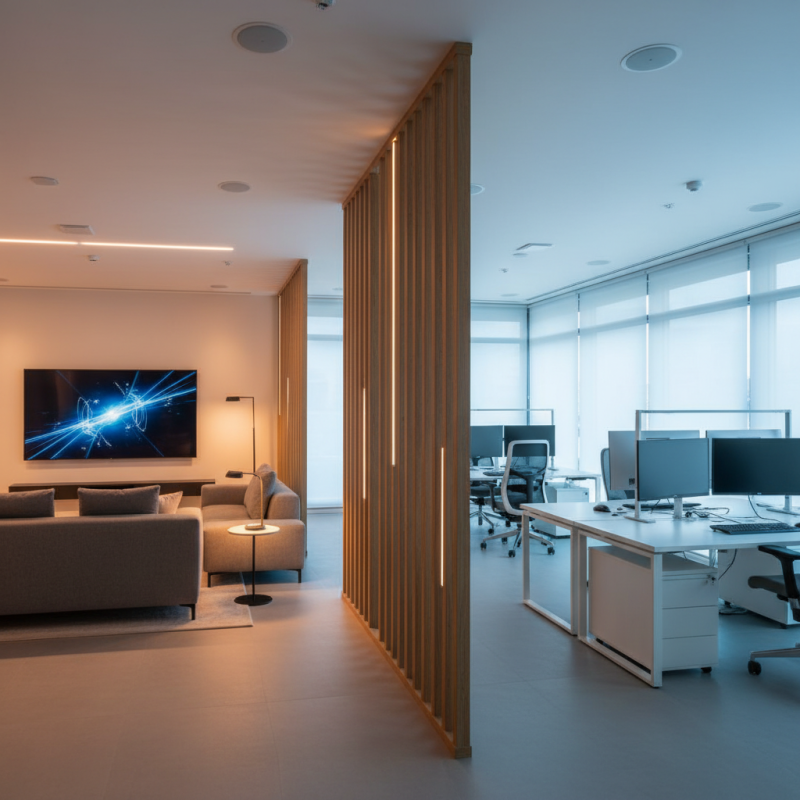
Control features are also crucial. Customizable lighting schedules allow businesses to adapt to their specific needs. For example, different areas can have different lighting levels. This adaptability can create a more comfortable environment for employees and customers alike. Additionally, many systems offer remote management. This feature enables users to adjust settings from anywhere, ensuring optimal use even when the business is closed.
However, deploying these systems is not without challenges. Some businesses struggle with installation and integration with existing systems. Additionally, staff training on new technologies can take time and resources. Lastly, while initial costs may be high, the long-term savings usually justify the investment. Balancing these factors is essential for a successful implementation.
Why Choose an Intelligent Lighting Control System for Your Home or Business?
| Feature |
Description |
Benefits |
| Energy Efficiency |
Automatically adjusts lighting based on occupancy and natural light availability. |
Reduces energy costs and environmental impact. |
| Remote Control |
Control lighting through smartphone apps or web interfaces. |
Convenience of adjusting lights from anywhere, improving comfort. |
| Customization |
Personalize lighting settings for different activities or moods. |
Enhances the ambiance and overall experience for users. |
| Scheduling |
Set schedules for when lights should turn on or off. |
Increases security by simulating occupancy. |
| Integration |
Works seamlessly with other smart home or building automation systems. |
Provides a comprehensive control experience for multiple systems. |
Energy Efficiency: How Smart Lighting Reduces Utility Costs
Intelligent lighting control systems offer significant energy efficiency benefits. According to a report by the U.S. Department of Energy, smart lighting can reduce energy use by up to 75%. This reduction directly translates to lower utility costs. For homes and businesses, substantial savings can be achieved. Imagine, for instance, a shop utilizing smart sensors to adjust lighting based on time and presence. This process not only conserves energy but also enhances the shopping experience.
In commercial settings, studies highlight that smart lighting solutions can lead to a 30% increase in energy savings compared to traditional systems. This is partly due to automatic dimming and scheduling features. Such systems adapt to the natural daylight, reducing reliance on artificial lighting. However, some users report an initial reluctance to adopt these technologies, often due to upfront costs or complexity. It’s important to weigh the long-term savings against short-term investments.
Residential users also benefit significantly from smart lighting. Households can save approximately $100 annually on energy bills, according to a study from the American Council for an Energy-Efficient Economy. Automated controls, combined with energy-efficient bulbs, can create a more sustainable living environment. Yet, some may find themselves overwhelmed by the technology. It’s crucial to evaluate personal needs and possible challenges before implementation. Ensuring user-friendliness can help maximize the advantages of intelligent lighting systems.
Enhancing Comfort and Aesthetics with Intelligent Lighting Designs
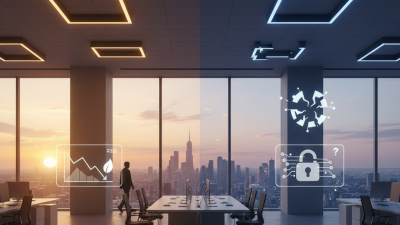
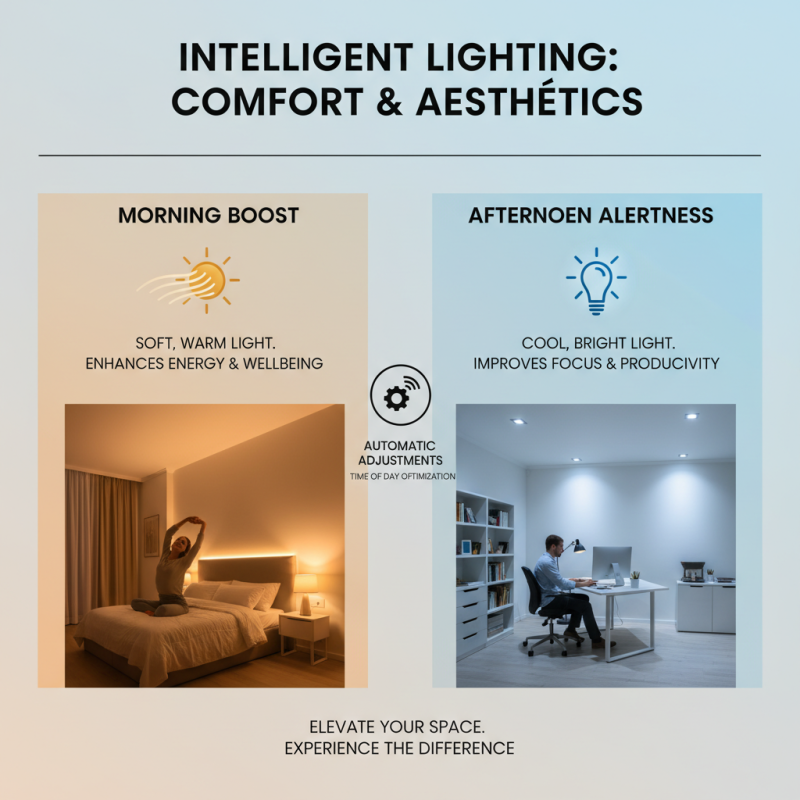
Lighting plays a crucial role in any space. Intelligent lighting designs enhance both comfort and aesthetics. Imagine entering a room where the lights adjust automatically. They change according to the time of day, creating a welcoming atmosphere. Soft, warm light in the morning boosts energy. Cool, bright light in the afternoon keeps you alert.
These systems offer versatility. You can customize settings for different events. For a cozy dinner, dim the lights and create a romantic vibe. For a lively gathering, brighten the space to encourage interaction. However, it can be overwhelming to choose the right settings. Some may find themselves lost in options, unable to decide. It’s essential to experiment and discover what works best for you.
A well-designed lighting plan transforms spaces beautifully. It can enhance artwork and architecture, highlighting unique features. Yet, there’s a risk of over-lit areas that feel harsh or cold. Finding the right balance takes time and effort. It’s a journey of exploration, reflecting your personal taste and lifestyle. Embrace the process and redefine your environment with intelligent lighting.
Future Trends in Intelligent Lighting Control Technology
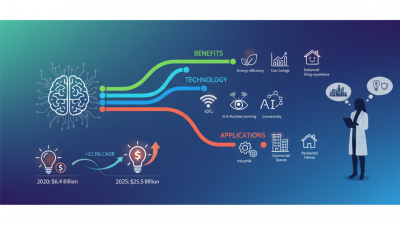
The future of intelligent lighting control technology is exciting. Homes and businesses are experiencing a transformation in how they manage light. Innovations in this field aim to enhance energy efficiency and user experience. Advanced sensors automatically adjust brightness based on the time of day. This not only saves energy but also creates a comfortable environment.
Integration with smart home systems is another growing trend. These systems can respond to voice commands or schedules. Imagine waking up to soft lights that gradually brighten. Or returning home to lights that activate upon your arrival. Yet, reliance on technology raises questions. What happens when systems fail? There may be moments of confusion when devices don’t communicate as intended.
Artificial intelligence is also making its way into lighting control. Smart algorithms learn user preferences over time. They can suggest lighting settings for different activities. However, this technology is not perfect. Some users may find the suggestions irrelevant or invasive. Understanding user needs remains a challenge in this evolving landscape.